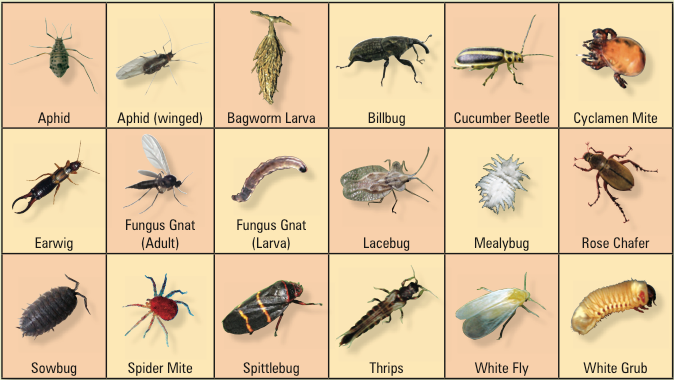
Comprehensive Guide to Identifying Common Household Insects
Introduction
Household insects can be more than just a nuisance; they can pose health risks, cause property damage, and indicate underlying environmental issues. Identifying these pests accurately is the first step toward effective control and prevention. This guide breaks down the problem of identifying common household insects, outlines their causes and consequences, and provides a step-by-step solution with real-world examples and preventive strategies.
Problem Breakdown: Identifying Common Household Insects
The challenge of identifying household insects involves recognizing their physical characteristics, behaviors, and habitats. Misidentification can lead to ineffective treatments, wasted resources, and prolonged infestations. The problem can be broken into the following components:
-
Diversity of Insects: Households host a variety of insects, each with distinct traits (e.g., ants, cockroaches, silverfish, bed bugs).
-
Similar Appearances: Some insects resemble others (e.g., termites vs. ants), complicating identification.
-
Behavioral Patterns: Insects’ habits (e.g., nocturnal activity, nesting locations) provide clues but require observation.
-
Environmental Factors: Conditions like moisture, food availability, or clutter influence which insects are present.
Common Causes
-
Poor Sanitation: Food crumbs, spills, or garbage attract ants, cockroaches, and pantry pests.
-
Structural Vulnerabilities: Cracks, gaps, or unsealed entry points allow insects to enter.
-
Moisture Issues: Damp areas (e.g., basements, bathrooms) attract silverfish, termites, and centipedes.
-
Clutter: Piles of paper, clothing, or boxes provide hiding spots for insects like bed bugs or spiders.
Consequences of Not Addressing the Issue
Failing to identify and address household insects can lead to:
-
Health Risks: Cockroaches and flies can spread bacteria, while bed bug bites cause discomfort and allergic reactions.
-
Property Damage: Termites and carpenter ants weaken wooden structures; pantry pests contaminate food.
-
Increased Infestation: Delayed action allows insects to multiply, making control more difficult and costly.
-
Emotional Stress: Persistent pest issues can cause anxiety or embarrassment for homeowners.
Step-by-Step Solution: How to Identify Common Household Insects
Step 1: Observe and Document
-
Action: Observe the insect’s appearance, behavior, and location. Note details like size, color, number of legs, wings, and where it’s found (e.g., kitchen, bathroom).
-
Tools/Resources: Use a flashlight, magnifying glass, or smartphone camera to capture clear images or videos.
-
Example: If you spot small, reddish-brown insects in your bedroom, note their oval shape and nocturnal activity, which suggests bed bugs.
Step 2: Compare with Common Household Insects
-
Action: Use a reference guide or online database to match your observations with known insects. Focus on key identifiers:
-
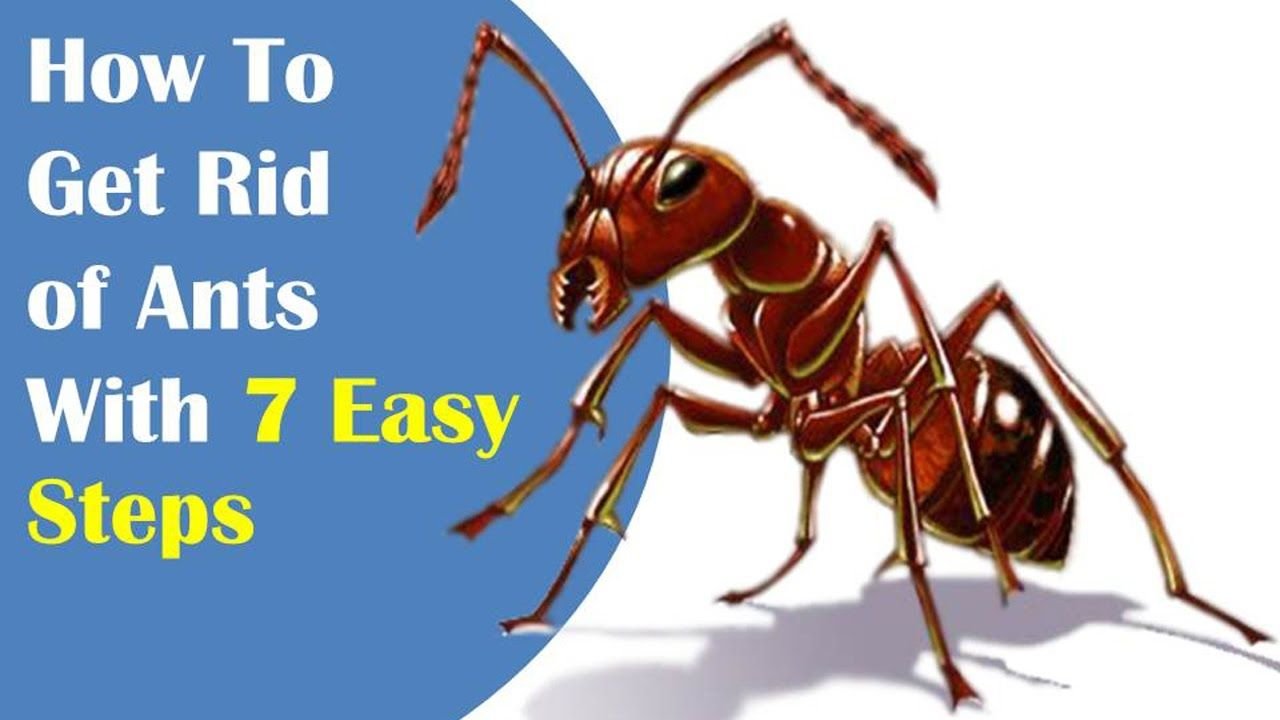
Ants: Small (1-3 mm), segmented bodies, elbowed antennae; often in trails.
-
Cockroaches: Flat, oval bodies (1-5 cm), long antennae; scuttle quickly.
-
Bed Bugs: Small (4-5 mm), reddish-brown, wingless; found in mattresses or furniture.
-
Silverfish: Teardrop-shaped (1-2 cm), silvery-gray, scaly; fast-moving, prefers damp areas.
-
Termites: Pale, soft-bodied (3-10 mm); often mistaken for ants but have straight antennae and no waist.
-
-
Tools/Resources: Websites like PestWorld.org, university extension services (e.g., University of California IPM), or apps like iNaturalist.
-
Example: A client found tiny insects with straight antennae in wooden furniture. Comparing images online, they identified termites, not ants, due to the lack of a pinched waist.
Step 3: Analyze Behavior and Habitat
-
Action: Note the insect’s activity patterns and preferred locations:
-
Nocturnal insects (e.g., cockroaches, bed bugs) are active at night.
-
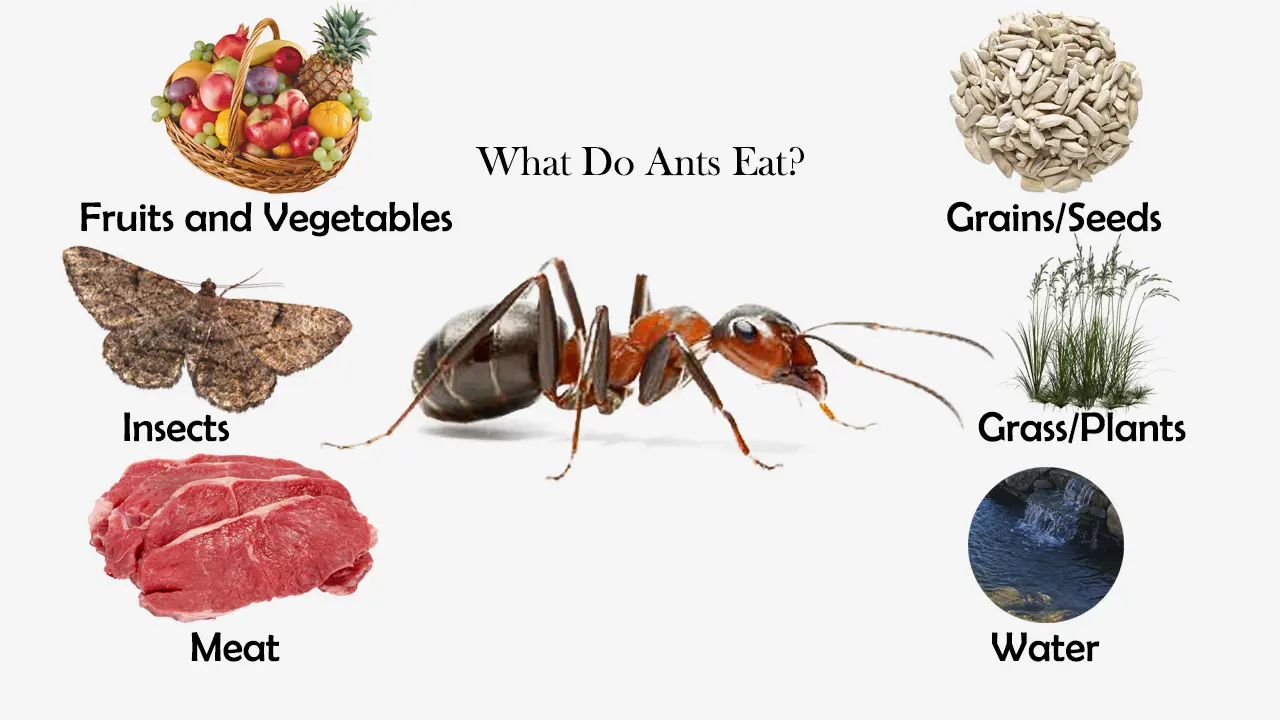
Kitchen pests (e.g., pantry moths, ants) are drawn to food sources.
-
Damp areas attract silverfish, centipedes, or termites.
-
-
Tools/Resources: Sticky traps or monitoring devices to track movement; a notebook to log sightings.
-
Example: Sticky traps in a basement revealed silverfish, confirming moisture as a contributing factor.
Step 4: Confirm Identification with Experts
-
Action: If unsure, consult a professional or submit samples to a local cooperative extension service or pest control company.
-
Tools/Resources: Plastic containers or ziplock bags to safely collect specimens; contact details for local pest experts.
-
Example: A homeowner sent a photo of suspected bed bugs to a pest control service, which confirmed the identification and recommended treatment.
Step 5: Address Immediate Concerns
-
Action: Once identified, take initial control measures:
-
For ants: Clean surfaces and seal entry points.
-
For bed bugs: Wash bedding in hot water and vacuum mattresses.
-
For cockroaches: Use bait stations and improve sanitation.
-
-
Tools/Resources: Cleaning supplies, caulk, vacuum cleaner, pest-specific baits or traps.
-
Example: After identifying pantry moths, a client discarded infested food, cleaned cabinets, and used pheromone traps to monitor activity.
Real-World Case Study
Case: The Johnson family noticed small, dark insects in their kitchen and initially assumed they were ants. Using a magnifying glass, they observed the insects’ flat, oval bodies and rapid movement, suggesting cockroaches. They consulted PestWorld.org, confirmed German cockroaches, and implemented a plan:
-
Actions Taken: Cleaned kitchen thoroughly, sealed cracks, and placed bait stations.
-
Outcome: Within two weeks, cockroach sightings dropped significantly. Regular cleaning and monitoring prevented recurrence.
-
Lesson: Accurate identification enabled targeted treatment, saving time and avoiding ineffective ant baits.
Preventive Strategies
To avoid future insect issues:
-
Maintain Cleanliness: Regularly clean floors, countertops, and appliances to remove food residues.
-
Seal Entry Points: Use caulk or weatherstripping to close gaps around doors, windows, and pipes.
-
Control Moisture: Fix leaks, use dehumidifiers in basements, and ensure proper ventilation.
-
Store Food Properly: Use airtight containers for pantry items to deter pests like ants and moths.
-
Regular Inspections: Check hidden areas (e.g., under sinks, behind furniture) for early signs of pests.
-
Professional Support: Schedule annual pest inspections with a licensed exterminator.
Additional Tips
-
Use Technology: Apps like Bug Identifier or Picture Insect can assist with quick identification.
-
Educate Household Members: Teach family or roommates to recognize pest signs and report them promptly.
-
Avoid Overuse of Pesticides: Misidentified pests may not respond to certain chemicals, wasting money and harming the environment.
-
Monitor Seasonal Trends: Insects like ants and pantry moths are more active in warmer months, so increase vigilance in spring and summer.
Next Steps and Call to Action
Don’t let unidentified insects take over your home. Start today by:
-
Observing and documenting any pests you see.
-
Using online resources or expert consultations to confirm their identity.
-
Implementing immediate control measures based on your findings.
-
Adopting preventive habits to keep your home pest-free.
Take action now—grab a flashlight, check your home, and use this guide to identify and address any insect issues before they escalate. For persistent or severe infestations, contact a licensed pest control professional or visit PestWorld.org for expert resources. Protect your home and health today!