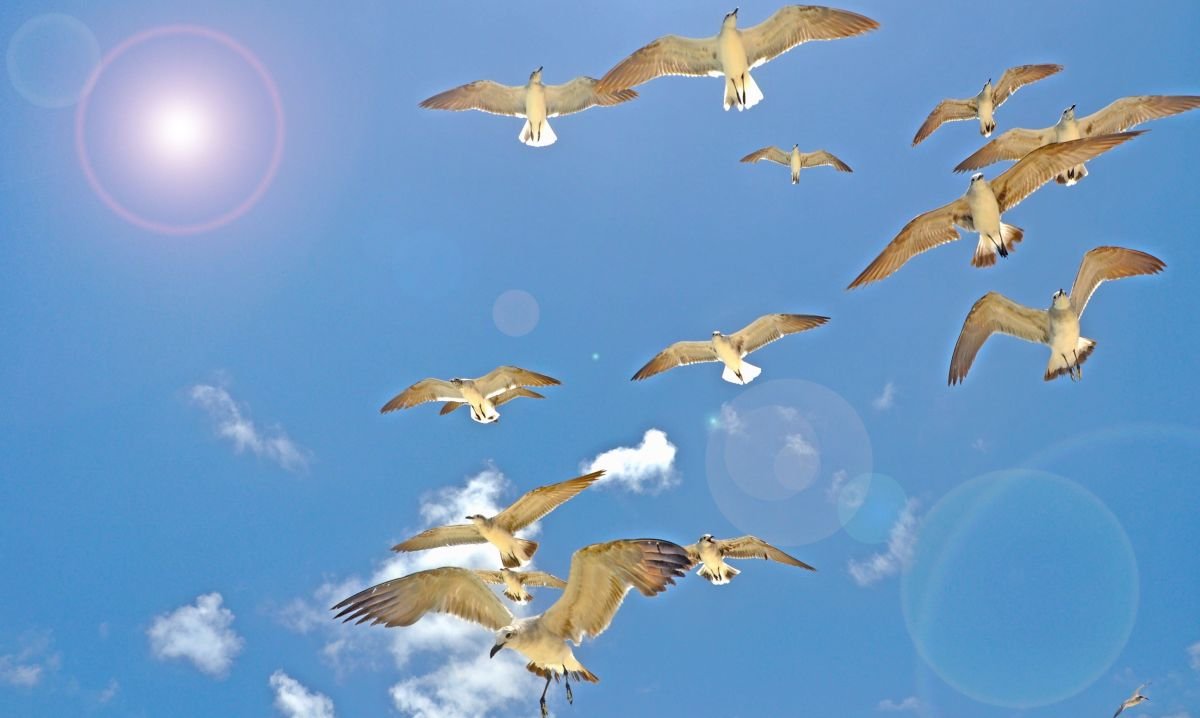
Every year, billions of birds embark on incredible journeys, traveling thousands of miles across continents and oceans. From the Arctic tern’s pole-to-pole migration to the bar-tailed godwit’s nonstop flight across the Pacific, these feats of endurance are nothing short of miraculous. But why do birds undertake such arduous journeys? What drives them to migrate thousands of miles every year? Let’s explore the fascinating reasons behind bird migration.
Seeking Food: The Primary Motivation
One of the main reasons birds migrate is to find food. As seasons change, food sources in their breeding grounds—such as insects, seeds, and nectar—become scarce. Birds like swallows and warblers migrate to warmer regions where food is abundant. For example, many insect-eating birds fly south during winter when insects are no longer available in colder climates.
Escaping Harsh Weather
Birds are highly sensitive to temperature changes. Migrating to warmer regions helps them avoid the freezing temperatures and harsh conditions of winter. Species like snow geese and robins move to milder climates where they can survive without expending excessive energy to stay warm. This seasonal movement ensures their survival during the coldest months.
Breeding in Safe Habitats
Birds often migrate to specific locations to breed. These areas provide ideal conditions for raising their young, such as abundant food, fewer predators, and suitable nesting sites. For instance, Arctic terns travel from the Arctic to the Antarctic to breed, taking advantage of the long daylight hours and plentiful food in polar regions.
Following Instincts and Genetic Programming
Migration is deeply ingrained in birds’ instincts and genetic makeup. Even young birds that have never migrated before know when and where to go. This innate behavior is guided by environmental cues like changes in daylight, temperature, and food availability. Scientists believe that migration patterns have evolved over thousands of years, becoming a survival strategy for many species.
Avoiding Competition
Migrating to different regions helps birds reduce competition for resources. During breeding season, many birds return to their natal grounds, where they can claim territories and access food without competing with other species. This seasonal dispersal ensures that resources are not overexploited in any one area.
Navigating with Precision
Birds possess remarkable navigational skills that allow them to travel vast distances with pinpoint accuracy. They use a combination of tools, including the Earth’s magnetic field, the position of the sun and stars, and even landmarks like rivers and mountains. Some species, like homing pigeons, have an extraordinary ability to find their way back to specific locations.
The Role of Day Length
The length of daylight, or photoperiod, plays a crucial role in triggering migration. As days shorten in autumn, birds receive signals to prepare for migration. Hormonal changes prompt them to eat more, storing fat as energy for their long journeys. In spring, increasing daylight signals the return to breeding grounds.
Challenges of Migration
Migration is not without risks. Birds face numerous challenges, including extreme weather, predators, and human-made obstacles like buildings and communication towers. Many birds also perish from exhaustion or starvation during their journeys. Despite these dangers, the benefits of migration—access to food, breeding sites, and favorable climates—outweigh the risks.
Conservation and the Impact of Climate Change
Climate change is altering migration patterns, with some birds migrating earlier or later than usual. These shifts can disrupt the availability of food and nesting sites, threatening their survival. Conservation efforts, such as protecting critical habitats and reducing human-made hazards, are essential to support migratory birds.
Conclusion
Bird migration is one of nature’s most awe-inspiring phenomena, driven by the need for food, favorable climates, and safe breeding grounds. These incredible journeys highlight the resilience and adaptability of birds, as well as the interconnectedness of ecosystems across the globe. By understanding and protecting migratory birds, we can ensure that these remarkable travelers continue to grace our skies for generations to come.