Birds are among the most vocal and expressive creatures on Earth, using a variety of methods to communicate with one another. Their ability to convey messages is essential for survival, mating, and social interaction. From melodic songs to intricate body language, birds have developed sophisticated ways to share information. But how exactly do birds communicate? Let’s explore the fascinating world of avian communication.
Vocalizations: Songs and Calls
Birds are best known for their vocalizations, which include songs and calls. These sounds serve different purposes:
- Songs: Typically sung by males, bird songs are complex and melodious. They are used to attract mates and establish territory. For example, the nightingale’s song is renowned for its beauty and complexity, often used to woo females.
- Calls: Shorter and simpler than songs, calls are used for a variety of purposes, such as warning of predators, coordinating group movements, or maintaining contact with flock members. The alarm call of a blackbird, for instance, alerts other birds to the presence of a hawk.
Body Language and Visual Signals
Birds also rely on body language to communicate. Their postures, movements, and displays convey important messages:
- Courtship Displays: Many birds perform elaborate dances or displays to attract mates. The peacock’s iconic fanning of its tail feathers is a classic example of a visual signal designed to impress females.
- Aggressive Displays: Birds like robins puff up their feathers and adopt threatening postures to ward off rivals or defend their territory.
- Flocking Behavior: Birds in flocks, such as starlings, use synchronized movements to confuse predators and communicate group cohesion.
Feather Displays
Feathers are not just for flight—they are also powerful communication tools. Birds use their feathers to send visual signals:
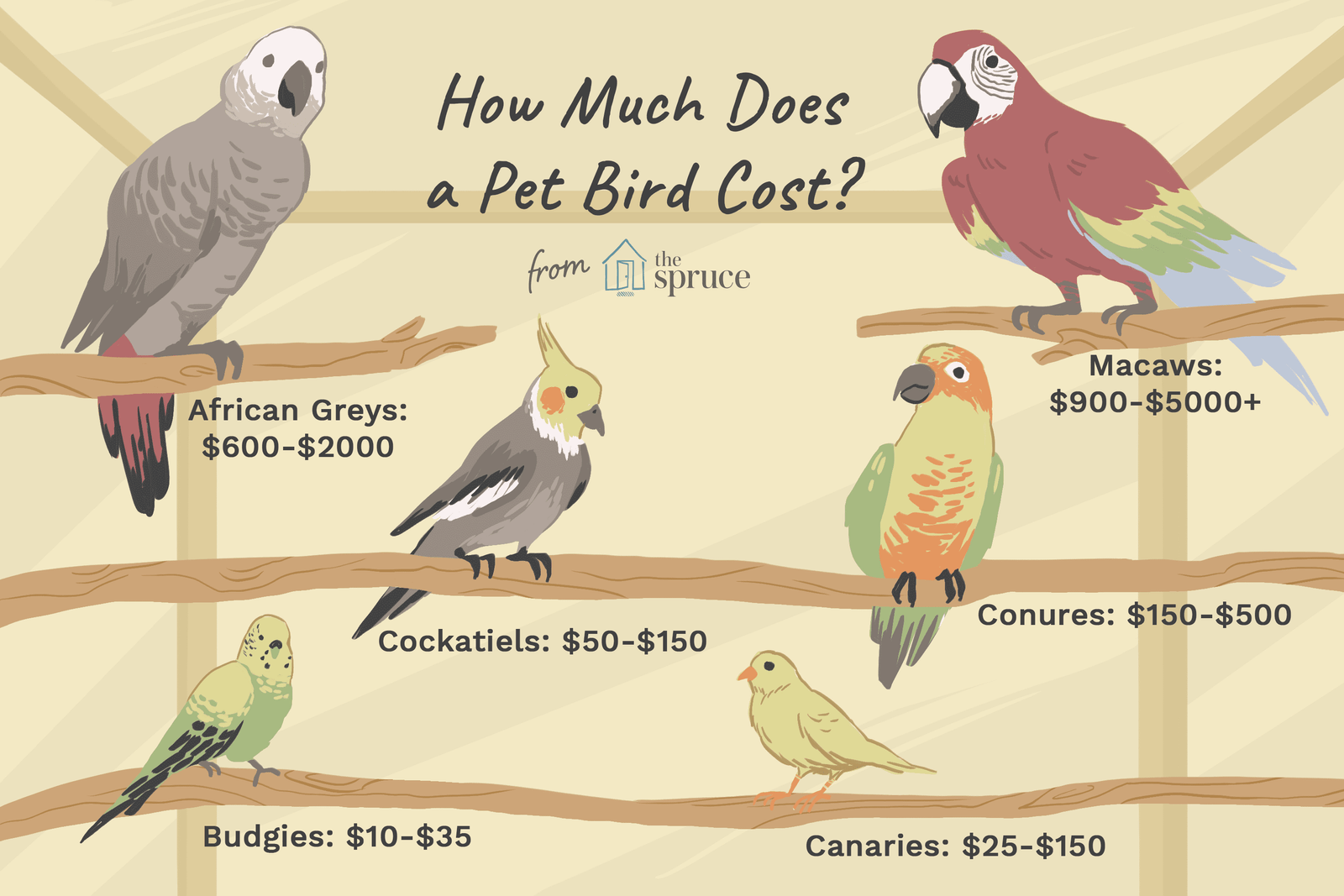
- Bright Colors: Vibrant plumage, like that of the scarlet macaw, can indicate health and genetic fitness, making it easier to attract mates.
- Raised Crests: Some birds, like cockatoos, raise their crests to express excitement, aggression, or curiosity.
Drumming and Other Non-Vocal Sounds
Some birds communicate through sounds that are not vocal. For example:
- Woodpeckers: These birds drum on trees to establish territory and attract mates. The rhythm and intensity of the drumming convey specific messages.
- Wing Whistling: Birds like the mourning dove produce whistling sounds with their wings during flight, often used as a courtship display or to signal alarm.
Chemical Signals
While less common, some birds use chemical signals to communicate. For instance:
- Preen Gland Secretions: Birds like petrels and shearwaters use oils from their preen glands to mark their nests or recognize their mates.
Social Learning and Imitation
Birds are skilled imitators and often learn communication methods from one another:
- Mimicry: Species like the lyrebird and mockingbird can imitate the calls of other birds, animals, and even human-made sounds. This ability helps them attract mates or deter predators.
- Cultural Transmission: Some birds, like parrots, learn vocalizations from their parents or flock members, passing down “traditions” through generations.
Communication in Flocks
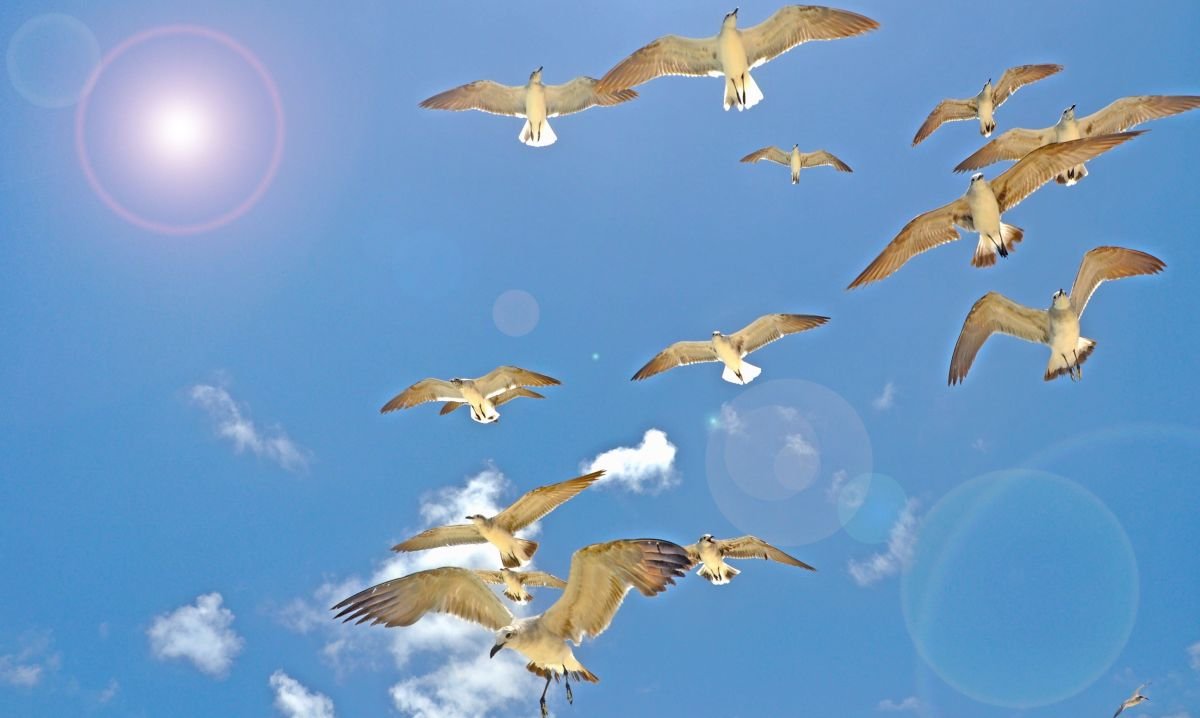
Birds that live in flocks, such as sparrows and pigeons, rely heavily on communication to maintain group cohesion and safety:
- Contact Calls: These soft, repetitive calls help flock members stay connected, especially in dense vegetation or during flight.
- Alarm Calls: Specific calls warn the flock of predators, allowing them to take evasive action.
The Role of Environment
The environment plays a significant role in shaping bird communication. For example:
- Forest Birds: Species living in dense forests often use high-pitched calls that travel well through thick foliage.
- Open Habitat Birds: Birds in open areas, like grasslands, may rely more on visual signals and low-frequency sounds that carry over long distances.
Conclusion
Birds communicate in a myriad of ways, from intricate songs and calls to dazzling visual displays and synchronized movements. These methods are not just fascinating to observe—they are essential for survival, reproduction, and social interaction. By understanding how birds communicate, we gain deeper insight into their behavior and the complex ecosystems they inhabit. Whether it’s the haunting call of a loon or the vibrant dance of a bird of paradise, avian communication is a testament to the beauty and complexity of the natural world.