Insects may be small, but their ability to communicate is anything but insignificant. Despite their tiny brains, insects have evolved sophisticated ways to share information, coordinate activities, and ensure the survival of their species. From chemical signals to intricate dances, the world of insect communication is both fascinating and complex. But how exactly do insects communicate with each other? Let’s explore the remarkable methods they use to convey messages.
Chemical Communication: Pheromones
One of the most common and effective ways insects communicate is through chemicals called pheromones. These chemical signals can convey a wide range of messages, from attracting mates to warning of danger.
- Sex Pheromones: Female moths, for example, release sex pheromones to attract males from miles away. This ensures successful mating and reproduction.
- Alarm Pheromones: When ants or bees are threatened, they release alarm pheromones to alert their colony. This triggers a defensive response, such as swarming or attacking the intruder.
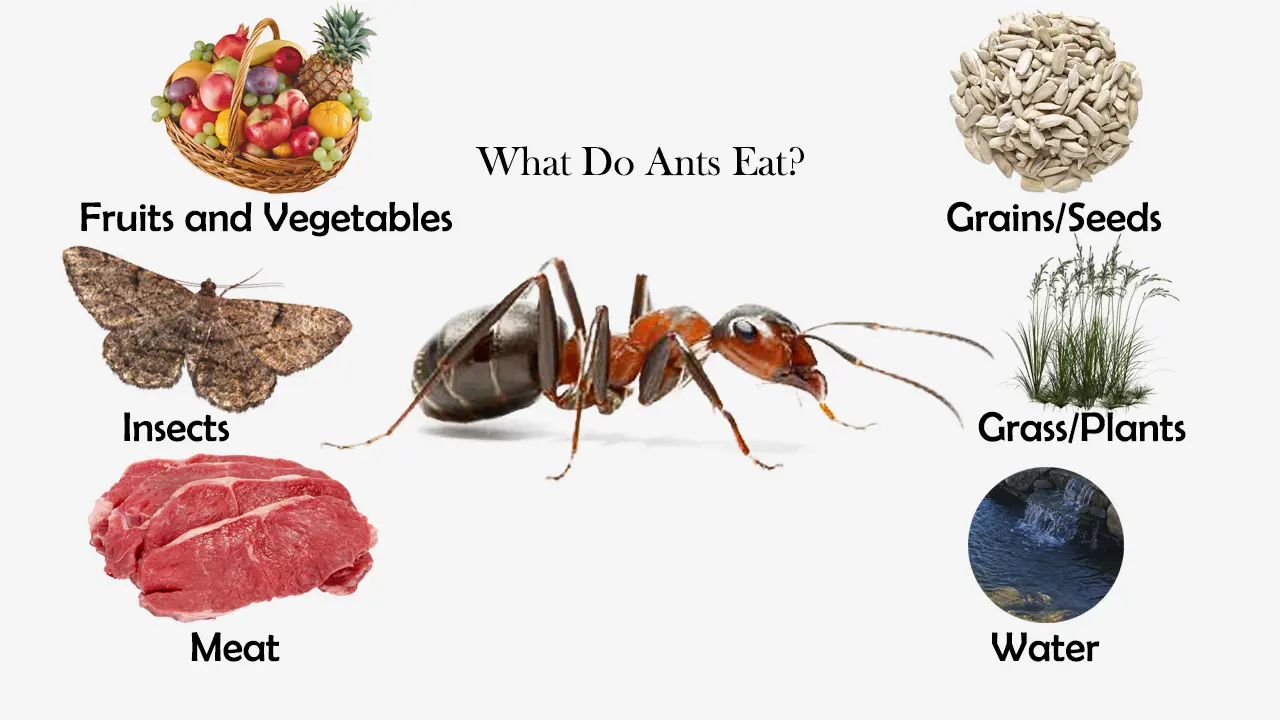
- Trail Pheromones: Ants use trail pheromones to mark paths to food sources. Other ants follow these chemical trails, creating efficient foraging routes.
Visual Signals: Colors and Movements
Insects also use visual cues to communicate, often relying on bright colors and specific movements.
- Wing Patterns: Butterflies and moths use their vibrant wing patterns to attract mates or ward off predators. Some species even mimic the appearance of toxic insects to avoid being eaten.
- Dances: Honeybees are famous for their “waggle dance,” a complex series of movements that communicate the location of food sources to other members of the hive. The dance includes information about distance, direction, and quality of the food.
Acoustic Communication: Sounds and Vibrations
Many insects produce sounds or vibrations to communicate, often using specialized body parts.
- Crickets and Grasshoppers: These insects produce chirping sounds by rubbing their wings or legs together, a process called stridulation. Males use these calls to attract females and establish territory.
- Cicadas: Known for their loud, buzzing calls, cicadas use sound to attract mates. Their calls can be heard from great distances, ensuring they find each other in dense forests.
- Vibrations: Some insects, like leafhoppers and treehoppers, communicate through vibrations transmitted through plants. These vibrations can convey messages about mating, danger, or territory.
Tactile Communication: Touch and Feel
Physical contact is another important method of communication among insects.
- Antennae Touching: Ants often touch each other’s antennae to exchange information. This tactile communication helps them recognize nestmates and share information about food sources or threats.
- Grooming: Social insects like bees and ants groom each other to strengthen social bonds and maintain colony hygiene. This behavior also helps spread chemical signals throughout the colony.
Social Learning and Imitation
Insects can learn from each other, a form of communication that enhances their survival and efficiency.
- Foraging Behavior: Bees and ants often follow the lead of more experienced foragers, learning the best routes to food sources.
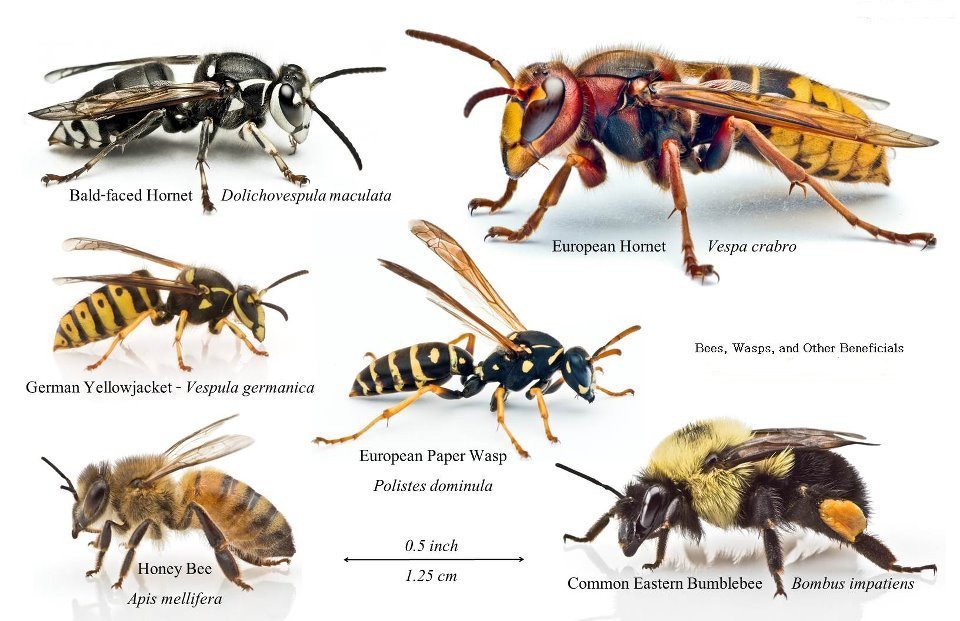
- Mimicry: Some insects, like hoverflies, mimic the appearance and behavior of bees or wasps to deter predators. This form of communication relies on the predator’s ability to recognize and avoid dangerous prey.
Group Coordination: Swarming and Flocking
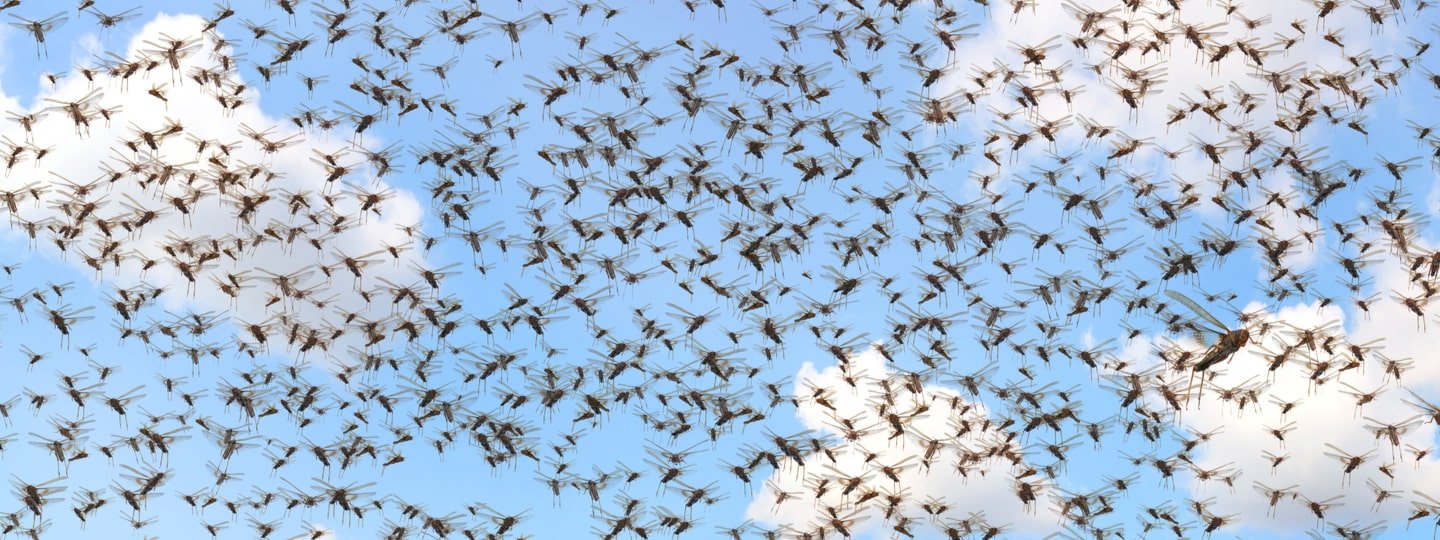
Insects that live in large groups, such as bees, ants, and locusts, rely on coordinated communication to function as a unit.
- Swarming: Bees swarm to establish new colonies, with scouts communicating the location of suitable nesting sites through dances and pheromones.
- Flocking: Locusts form massive swarms that move in unison, driven by chemical and visual signals. This coordinated behavior ensures their survival and success as a group.
Environmental Adaptation
Insects adapt their communication methods to their environments, ensuring their messages are effective.
- Nocturnal Insects: Moths and fireflies use bioluminescence and pheromones to communicate in the dark, where visual and acoustic signals may be less effective.
- Aquatic Insects: Water striders and diving beetles use ripples and vibrations to communicate in aquatic environments, where sound and chemical signals may dissipate quickly.
Conclusion
Insects may be small, but their communication methods are incredibly diverse and sophisticated. From chemical pheromones and visual displays to acoustic signals and tactile interactions, insects have evolved a wide range of ways to share information and coordinate their activities. Understanding how insects communicate not only deepens our appreciation for these remarkable creatures but also highlights the complexity of their social structures and behaviors. Whether it’s a bee’s waggle dance or an ant’s chemical trail, the world of insect communication is a testament to the ingenuity of nature.