1. Understanding the Problem
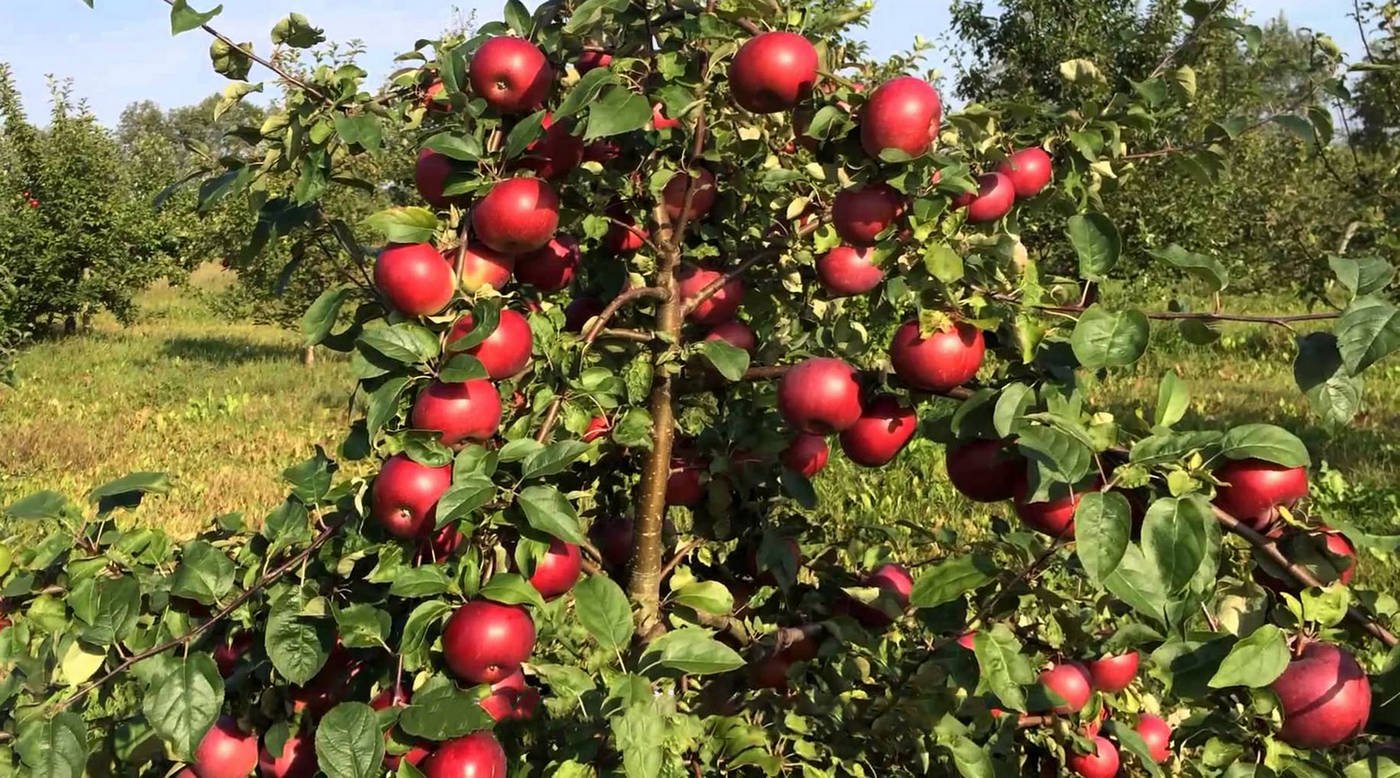
Apple growers frequently struggle with birds pecking at ripening fruit, leading to damaged crops, reduced yields, and economic loss. While various methods exist, audible deterrents provide a sustainable and non-lethal solution that targets birds’ sensitivity to sound Audible Deterrents to Keep Birds Off Apple Trees
2. Problem Breakdown
A. Smaller Components:
- Bird Behavior: Birds like starlings, blackbirds, and crows are attracted to sweet, ripe apples.
- Timing: Damage increases during late summer and early fall, as fruit ripens.
- Location Vulnerability: Orchards near water sources, forests, or urban areas attract more birds.
- Deterrent Fatigue: Birds can become habituated to static sounds over time.
B. Common Causes:
- Lack of early intervention.
- Poor sound variety or volume in existing deterrent systems.
- Inadequate orchard monitoring.
C. Consequences of Inaction:
- Up to 30% loss in marketable fruit.
- Higher risk of fungal infections (from open bird pecks).
- Increased attraction of more birds due to flocking behavior.
- Financial setbacks for commercial growers.
3. Solution: Audible Bird Deterrents
Audible deterrents work by mimicking predator sounds, distress calls, or using random high-frequency noises to repel birds.
4. Step-by-Step Instructions
Step 1: Assess Bird Activity
- Identify which bird species are targeting your apple trees.
- Determine peak feeding times (early morning and late afternoon are common).
- Evaluate orchard layout to target high-traffic zones.
Step 2: Choose the Right Audible Deterrent
Option A: Bioacoustic Devices
- Emit distress calls and predator sounds.
- Effective for specific bird species.
- Brands: Bird Gard, Bird-X, Thunderbird Bioacoustics.
Option B: Ultrasonic Repellers
- Emit high-frequency sounds above human hearing.
- Less effective outdoors (wind disperses sound easily).
Option C: Propane Cannons
- Emit loud boom sounds at timed intervals.
- Cover wide areas but not suitable for residential zones.
Option D: Motion-Activated Alarms
- Combine sound with motion sensors.
- Scare birds only when they approach.
🧰 Recommended Setup: A mix of bioacoustic and motion-activated devices with varied sound intervals to avoid habituation.
Step 3: Strategic Placement
- Mount devices above canopy height for clear sound projection.
- Rotate locations weekly to prevent birds from adapting.
- Cover the perimeter and inner orchard zones.
Step 4: Use Sound Variation and Timing
- Randomize sound patterns every few days.
- Set devices to operate 30 minutes before dawn to midday, when birds are most active.
- Pause devices briefly midday to reduce habituation.
Step 5: Monitor & Adjust
- Check bird activity weekly.
- Adjust sound volume or patterns as needed.
- Combine with visual deterrents (e.g. reflective tape or scare-eye balloons) for added effect.
5. Real-World Example
Case Study: Washington Apple Orchard (20 acres)
Problem: 25% yield loss from starlings and blackbirds.
Solution: Installed Bird Gard Pro bioacoustic units at 5-acre intervals with randomized distress calls.
Results:
- Within 1 week: bird activity dropped by 70%.
- Within 4 weeks: fruit damage reduced to under 5%.
- Combined use with motion-activated sprinklers enhanced effectiveness.
6. Additional Tips for Long-Term Prevention
- Change Deterrent Strategies Seasonally: Rotate devices and tactics each year.
- Use Companion Tactics: Netting, decoy predators (like owl statues), and orchard fencing.
- Harvest Early: Pick apples as they begin ripening to reduce bird attraction.
- Keep Trees Pruned: Birds prefer covered or shaded areas; open pruning discourages roosting.
7. Conclusion & Immediate Action Plan
Next Steps for Clients:
- Survey your orchard for signs of bird activity.
- Select a mix of audible deterrents tailored to your target species.
- Install and rotate devices before the fruit ripens.
- Monitor & Adjust based on bird behavior.
Call to Action:
🛒 Act Now: Don’t wait until your apples are pecked and spoiled. Invest in an audible deterrent system today and safeguard your orchard’s productivity for the season ahead. For personalized device recommendations, reach out to our support team or visit our Orchard Protection Resource Hub for more guides.
Let me know if you’d like this formatted into a downloadable PDF or WordPress-friendly blog post version!