Introduction
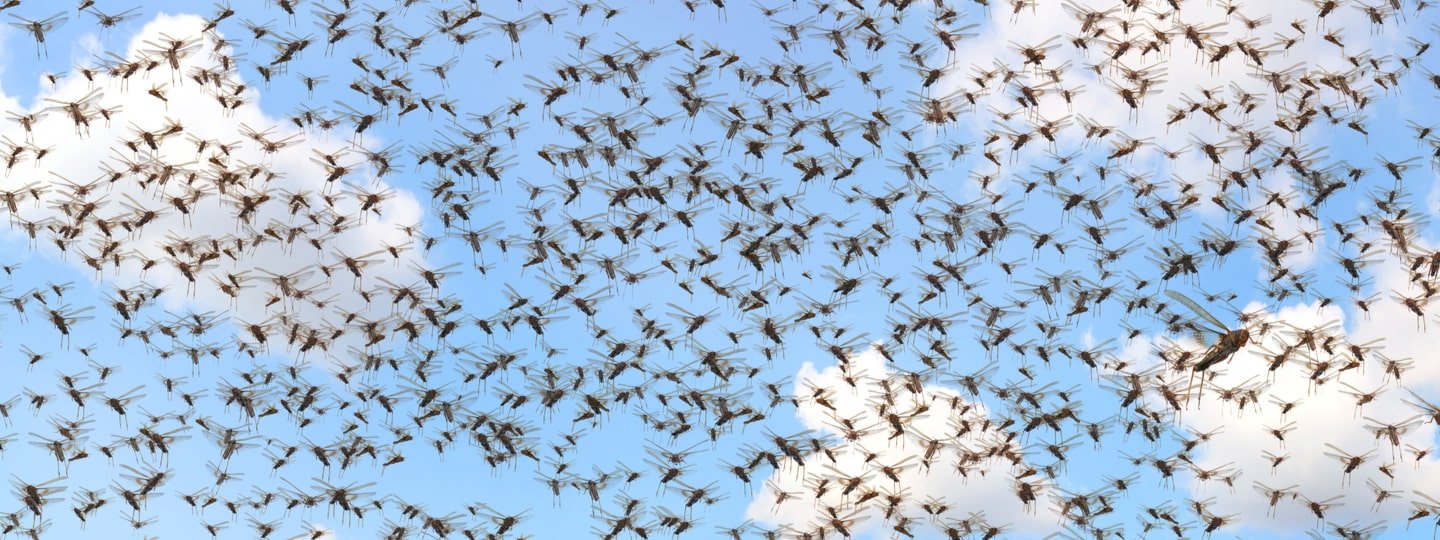
Insect infestations are one of the most common—and frustrating—issues gardeners face. If left unchecked, they can quickly damage or destroy your plants, reduce crop yield, and disrupt the ecosystem of your garden. This comprehensive guide walks you through identifying the problem, understanding its causes, and applying practical, environmentally-conscious solutions. A Solution-Based Approach
1. Understanding the Problem: Insect Infestations in Gardens
Common Signs of Infestation
- Holes or discoloration in leaves
- Wilting or stunted plant growth
- Visible insects (e.g., aphids, caterpillars, beetles)
- Sticky residue or webbing on plants
- Droppings or frass (insect waste)
Consequences of Inaction
- Permanent damage to plant health
- Lower yield of fruits, vegetables, or flowers
- Spread of disease among plants
- Costly replacements and pest control efforts later on
2. Identifying Root Causes of Insect Infestations
| Cause | Explanation |
|---|---|
| Poor soil health | Weak plants attract pests more easily |
| Lack of biodiversity | Monoculture planting encourages specific pests |
| Overwatering or underwatering | Stress weakens plants’ natural defenses |
| Improper sanitation | Fallen fruits or dead leaves harbor pests |
| Climate or seasonal changes | Certain pests thrive in specific conditions |
3. Step-by-Step Action Plan to Eliminate Insect Infestations
Step 1: Identify the Pest
- Use a magnifying glass to inspect affected plants
- Compare signs to online pest databases (e.g., BugGuide.net)
- Contact your local cooperative extension office for accurate identification
Step 2: Remove Infested Plant Material
- Prune heavily infested branches and leaves
- Bag and dispose of debris—do not compost
Step 3: Choose the Right Control Method
A. Natural/Organic Methods
- Neem oil spray: Effective against aphids, whiteflies, spider mites
- Insecticidal soap: Good for soft-bodied insects
- Companion planting: Marigolds, basil, and nasturtiums deter many pests
- Beneficial insects: Ladybugs and lacewings consume aphids and larvae
B. Physical Barriers
- Floating row covers: Prevent flying insects from landing
- Sticky traps: Monitor and reduce populations
- Copper tape or crushed eggshells: Repel crawling insects like slugs
C. Chemical Control (Last Resort)
- Use targeted pesticides only when absolutely necessary
- Follow manufacturer instructions carefully to avoid harming pollinators
Step 4: Monitor & Reassess
- Check plants every few days for new signs
- Maintain a garden log to track treatments and outcomes
4. Real-World Case Study
Case: Tomato Garden in Southern California
- Problem: Tomato plants were yellowing and producing fewer fruits
- Diagnosis: Aphid infestation and over-fertilization
- Solution: Removed infested leaves, applied neem oil weekly, introduced ladybugs
- Result: Infestation reduced by 90% within three weeks; plants recovered and produced normal yield
5. Preventing Future Insect Infestations
Daily & Weekly Habits
- Inspect plants regularly
- Remove weeds and dead plant matter
- Avoid overhead watering (encourages mildew and pests)
Long-Term Strategies
- Rotate crops annually
- Maintain healthy soil using compost and organic fertilizers
- Encourage biodiversity (flowers attract pollinators and beneficial insects)
6. Tools & Resources You Can Use
- Neem oil & sprayers (available at most garden centers)
- Beneficial insect kits (e.g., ladybugs, available online)
- Plant identification apps (like PlantSnap or PictureThis)
- Local extension services (often provide free diagnostics)
7. Next Steps & Call to Action
Don’t let insect infestations take over your garden! Start by inspecting your plants today and identify any signs of trouble. Take a photo, compare it with pest databases, and apply the organic methods listed above. Within just a few weeks, your garden can bounce back healthier than ever.
🌱 Take Action Now:
- Walk through your garden and look for pest signs
- Prune infected areas and dispose of debris
- Apply your first neem oil spray this evening
- Bookmark this guide for reference and share it with other gardeners
Remember: A healthy garden is a pest-resistant garden. With consistent care and the right strategy, you can enjoy a thriving, insect-free space all season long.
Let me know if you want a printable or blog-optimized version of this guide!