A Comprehensive Guide to Resolving Insect Infestations
Insect infestations can disrupt your home or business, posing health risks, damaging property, and causing stress. Whether it’s ants trailing across your kitchen counter or cockroaches scurrying in the dark, addressing the problem promptly and effectively is key. This guide breaks down the issue into manageable components, identifies causes, explains consequences, and provides actionable steps to eliminate infestations. With real-world examples and prevention tips, you’ll be equipped to take control and keep insects at bay.
Breaking Down the Problem: Components of an Insect Infestation
- Entry Points: Insects enter through cracks, gaps, open doors, windows, or even on items brought inside (e.g., groceries or secondhand furniture).
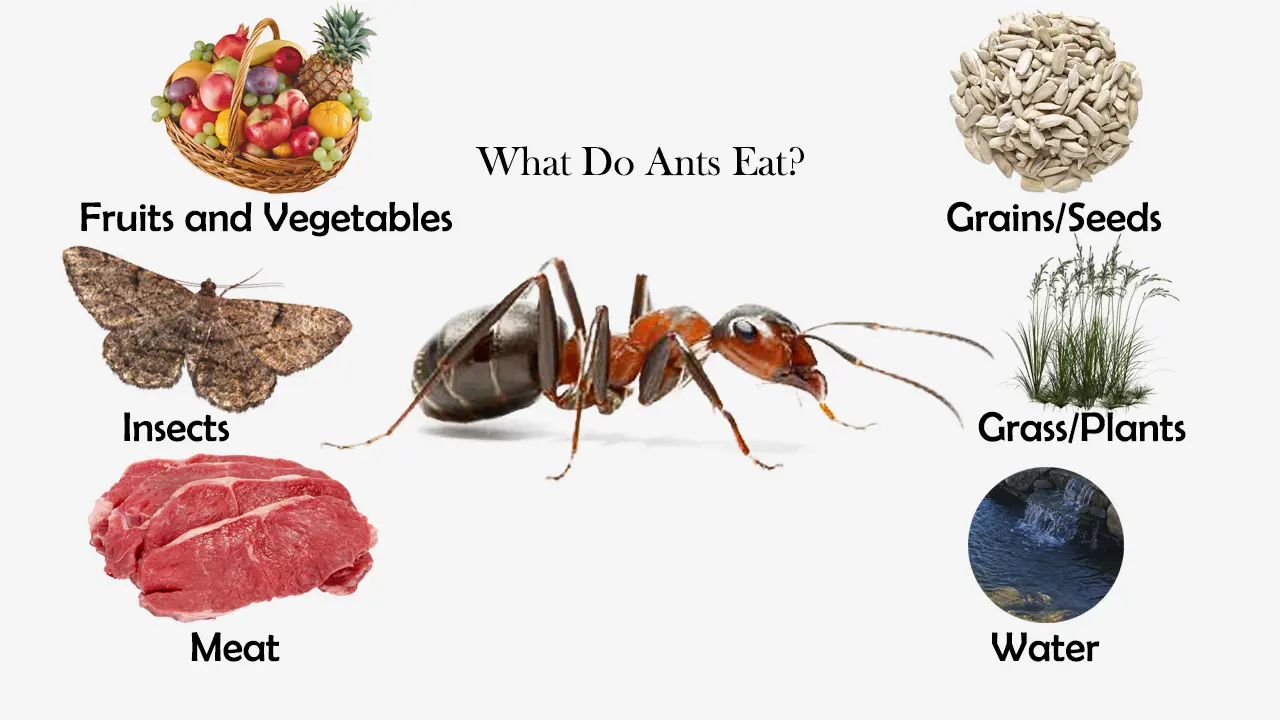
- Attraction Sources: Food, water, warmth, or shelter draw insects in. Dirty dishes, standing water, or clutter can act as magnets.
- Breeding Grounds: Once inside, insects reproduce quickly in hidden areas like walls, cabinets, or under appliances.
- Spread: Infestations grow as insects move to new areas, often unnoticed until the problem escalates.
Common Causes of Insect Infestations
- Poor Sanitation: Leftover food, spills, or unemptied trash bins invite pests like ants and cockroaches.
- Structural Gaps: Unsealed windows, doors, or pipes allow easy access.
- Moisture: Leaky pipes or damp areas attract pests like silverfish and termites.
- Neglect: Ignoring early signs (e.g., a few ants or droppings) lets infestations take hold.
- External Factors: Nearby garbage, overgrown vegetation, or infested neighboring properties can introduce pests.
Consequences of Not Addressing the Issue
Ignoring an insect problem can lead to serious outcomes:
- Health Risks: Cockroaches and flies spread bacteria, while bed bug bites cause discomfort and allergic reactions.
- Property Damage: Termites chew through wood, and pantry pests ruin stored food.
- Financial Costs: Delaying action often requires expensive professional treatments later.
- Reputation Harm: For businesses, visible pests can drive away customers and violate health codes.
Example: A restaurant in Chicago ignored early cockroach sightings in 2022. Within months, the infestation spread, leading to a failed health inspection, a $10,000 fine, and a temporary closure.
Step-by-Step Solution to Resolve Insect Infestations
Here’s a practical, actionable plan to eliminate insects and regain control:
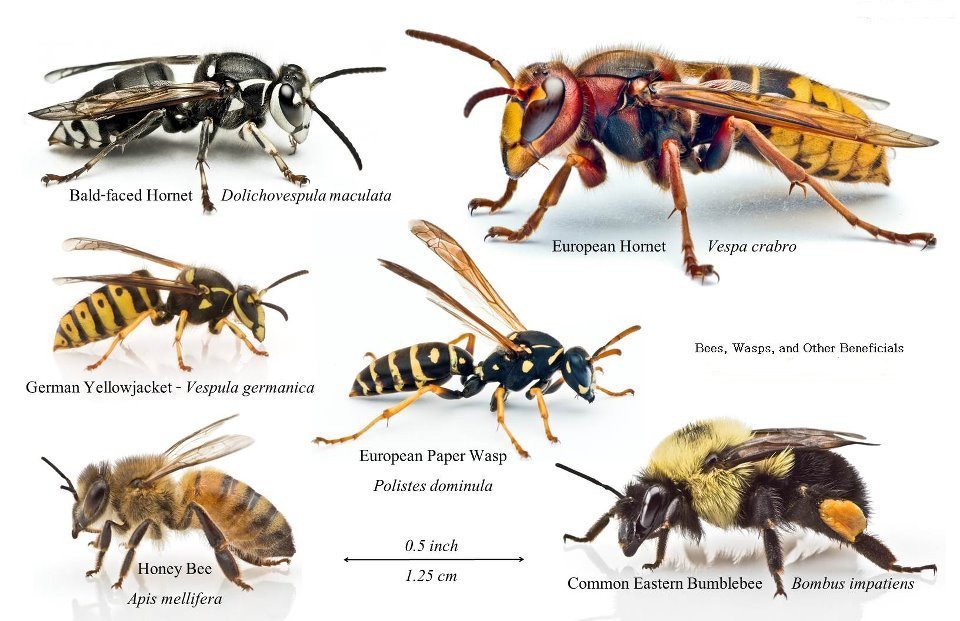
Step 1: Identify the Insect and Scope
- Action: Observe the pest’s appearance, behavior, and location. Are they ants in the kitchen, bed bugs in the bedroom, or pantry moths in storage?
- Tools/Resources: Use a magnifying glass, flashlight, or a pest identification app (e.g., iNaturalist). Search online for “common household pests” if unsure.
- Why: Correct identification ensures the right treatment—ant bait won’t work on bed bugs.
Step 2: Contain the Problem
- Action: Limit the infestation’s spread. Seal infested items (e.g., food bags) in plastic, vacuum up visible pests, and isolate affected areas.
- Tools/Resources: Trash bags, vacuum cleaner, sticky traps (available at hardware stores).
- Why: Containment prevents pests from migrating while you prepare a solution.
Step 3: Eliminate Attraction Sources
- Action: Clean thoroughly. Wipe surfaces, store food in sealed containers, fix leaks, and take out trash daily.
- Tools/Resources: Cleaning supplies, airtight containers (e.g., Rubbermaid), plumber for leaks.
- Why: Removing food, water, and shelter starves pests out.
Step 4: Block Entry Points
- Action: Inspect and seal gaps with caulk, weatherstripping, or mesh screens. Check doors, windows, pipes, and vents.
- Tools/Resources: Caulk gun, silicone sealant, fine mesh (hardware store items).
- Why: No entry means no new invaders.
Step 5: Apply Targeted Treatments
- Action: Use pest-specific solutions:
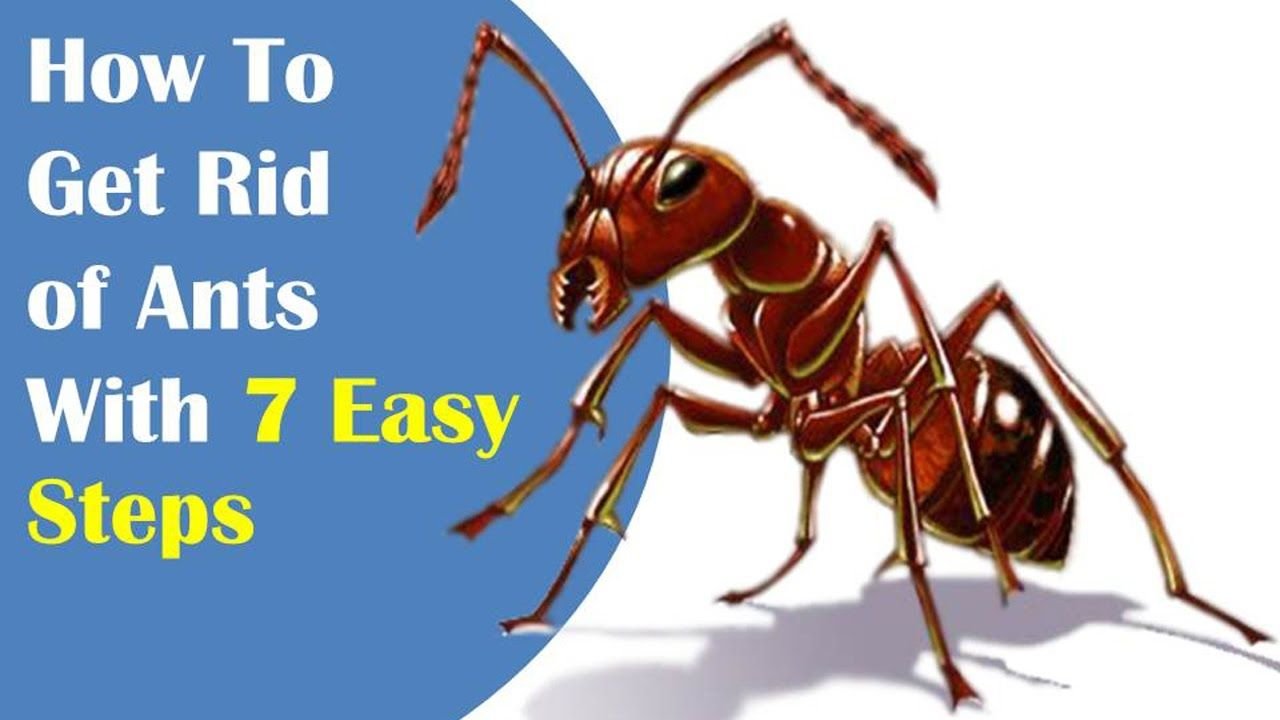
- Ants: Place bait stations (e.g., Terro Liquid Ant Baits) near trails.
- Cockroaches: Use gel bait (e.g., Advion) or traps in dark corners.
- Bed Bugs: Wash bedding at 120°F+, use mattress encasements, and apply diatomaceous earth.
- Pantry Pests: Discard infested food, use pheromone traps.
- Tools/Resources: Baits, traps, or natural options like diatomaceous earth (online or local stores).
- Why: Targeted treatments kill pests at the source without excessive chemicals.
Step 6: Monitor and Follow Up
- Action: Set sticky traps to track progress. Reapply treatments if pests persist after 1-2 weeks.
- Tools/Resources: Monitoring traps (e.g., Victor Pest Traps).
- Why: Ensures the infestation is fully eradicated.
Step 7: Call Professionals (If Needed)
- Action: For severe cases (e.g., termites or widespread bed bugs), hire a licensed exterminator.
- Tools/Resources: Search “pest control near me” or use services like Orkin or Terminix.
- Why: Experts handle complex infestations safely and effectively.
Real-World Example: How This Works in Practice
Case Study: Sarah’s Ant Problem
Sarah, a homeowner in Texas, noticed ants in her kitchen in 2024. She followed these steps:
- Identified: Sugar ants trailing to a crumb pile.
- Contained: Vacuumed ants and sealed trash.
- Cleaned: Wiped counters and stored food in jars.
- Sealed: Caulked a gap near the window.
- Treated: Placed Terro bait stations.
Within a week, the ants were gone. She now checks seals monthly and keeps food contained, preventing a recurrence.
Prevention Tips for the Future
- Maintain Cleanliness: Clean spills immediately and store food securely.
- Regular Inspections: Check for cracks or pest signs monthly.
- Control Moisture: Fix leaks and use dehumidifiers in damp areas.
- Landscape Wisely: Trim bushes away from buildings and remove debris piles.
- Educate Yourself: Learn about local pests (e.g., via university extension websites like Texas A&M AgriLife).
Next Steps and Call to Action
You don’t have to live with insects—or let them take over. Start today:
- Grab a flashlight and inspect your space for signs of pests.
- Pick one step from above (e.g., cleaning or sealing) and act on it now.
- Get supplies—baits, traps, or caulk—and tackle the problem head-on.