Introduction
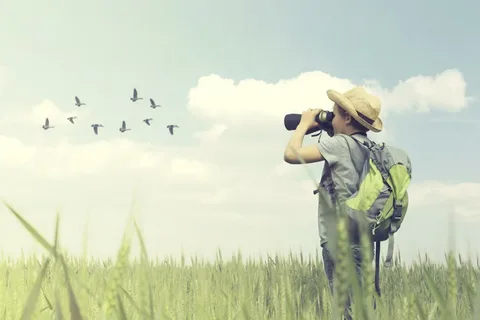
Birdwatching is booming in 2025, and there’s never been a better time to grab a pair of binoculars and step into nature. If you’re new to this relaxing and rewarding hobby, you might be wondering where to start. That’s why we’ve rounded up the best birdwatching spots for beginners to explore in 2025.
These locations across the U.S. offer easy access, diverse birdlife, and a welcoming vibe for novices—no expert skills required! From coastal marshes to wooded trails, these spots promise stunning sights and a gentle introduction to the world of birds.
In this guide, we’ll highlight beginner-friendly destinations that make spotting feathered friends a breeze. Whether you’re after colorful songbirds or majestic raptors, these places have it all—plus tips to get you started. Let’s dive into the top birdwatching havens for 2025!
Why Birdwatching in 2025 Is Perfect for Beginners
Birdwatching is more accessible than ever, thanks to smartphone apps, affordable gear, and a growing community of enthusiasts. In 2025, conservation efforts and eco-tourism trends have made many hotspots beginner-ready with clear trails, guided tours, and plenty of common species to spot. It’s a low-pressure way to enjoy the outdoors, connect with nature, and maybe even snap a few Instagram-worthy photos. Plus, you don’t need to travel far—some of the best spots are closer than you think.
Ready to see what’s out there? Here are the top picks for new birders this year.
1. Cape May, New Jersey
Cape May is a birdwatching legend, and it’s perfect for beginners in 2025. Known for its migration magic, this coastal gem sees flocks of warblers, shorebirds, and raptors passing through, especially in spring and fall. The Cape May Point State Park is a must-visit, with flat trails, observation platforms, and a lighthouse backdrop that’s postcard-perfect.
- Why It’s Beginner-Friendly: Clear signage, guided walks from the Cape May Bird Observatory, and a mix of easy-to-spot birds like American robins and ospreys.
- What to See: Look for bright yellow warblers or the striking black-and-white black skimmer.
- Tip: Visit in May or September for peak migration action.
2. J.N. “Ding” Darling National Wildlife Refuge, Florida
Located on Sanibel Island, this refuge is a tropical treat for new birders. Its 4-mile Wildlife Drive is drivable or bikeable, making it super accessible. In 2025, expect to see wading birds galore—think roseate spoonbills with their bubblegum-pink feathers.
- Why It’s Beginner-Friendly: Paved paths, rental binoculars at the visitor center, and tons of birds visible from your car.
- What to See: Great egrets, reddish egrets, and maybe a rare snail kite.
- Tip: Stop by the observation tower for a panoramic view of the action.
3. Magee Marsh Wildlife Area, Ohio
Nicknamed the “Warbler Capital of the World,” Magee Marsh along Lake Erie is a springtime hotspot that’s beginner heaven. The boardwalk trail winds through wetlands, putting you face-to-face with colorful warblers—no hiking boots needed.
- Why It’s Beginner-Friendly: The flat, mile-long boardwalk is stroller-friendly, and birders often share tips (and sightings) along the way.
- What to See: Blackburnian warblers with fiery orange throats or the chunky American woodcock.
- Tip: Plan for mid-May during the Biggest Week in American Birding festival—tons of beginner workshops!
4. Bosque del Apache National Wildlife Refuge, New Mexico
This desert oasis is a winter wonderland for birdwatching newbies in 2025. Famous for its sandhill crane and snow goose gatherings, Bosque del Apache offers wide-open views and a chill pace.
- Why It’s Beginner-Friendly: Scenic driving loops, observation decks, and ranger-led tours make it low-stress.
- What to See: Thousands of cranes doing their goofy dance, plus bald eagles overhead.
- Tip: Visit in November or December for the Festival of the Cranes—perfect for learning the ropes.
5. High Island, Texas
High Island is a Gulf Coast gem where migrating birds rest after crossing the ocean. In 2025, its sanctuaries like Boy Scout Woods and Smith Oaks are beginner-friendly havens with viewing platforms and plenty of action.
- Why It’s Beginner-Friendly: Elevated walkways, benches, and volunteers who love helping newbies spot birds.
- What to See: Painted buntings (like flying rainbows) and cerulean warblers.
- Tip: Spring (March to May) is prime time—bring a hat for the Texas sun.
6. Acadia National Park, Maine
Acadia’s rugged coast and forests make it a stunning spot for birdwatching beginners in 2025. Trails like the Jordan Pond Path are easygoing, and the park’s diversity—from seabirds to woodland species—keeps things exciting.
- Why It’s Beginner-Friendly: Well-marked trails, ranger programs, and birds that aren’t too shy.
- What to See: Puffins on a boat tour or peregrine falcons soaring near cliffs.
- Tip: Summer is great, but fall adds vibrant foliage to the bird show.
7. Horicon Marsh, Wisconsin
Horicon Marsh is the largest freshwater cattail marsh in the U.S., and it’s a beginner’s dream in 2025. With a floating boardwalk and auto tour route, you can explore at your own pace.
- Why It’s Beginner-Friendly: Easy access, free guided walks, and huge flocks that are hard to miss.
- What to See: Canada geese, redhead ducks, and maybe a rare whooping crane.
- Tip: Check out the visitor center for a spotting scope loaner.
8. Point Reyes National Seashore, California
Just north of San Francisco, Point Reyes blends coastal beauty with birdwatching bliss. In 2025, its beaches and estuaries are ideal for spotting shorebirds and raptors without much effort.
- Why It’s Beginner-Friendly: Paved trails like the Earthquake Trail, plus docents who point out birds.
- What to See: Snowy plovers, northern harriers, and quail scooting through the grass.
- Tip: Winter brings elephant seals—and extra birds—to the mix.
9. Bombay Hook National Wildlife Refuge, Delaware
This East Coast treasure is a wetland wonderland perfect for beginners in 2025. The 12-mile auto tour lets you cruise past marshes teeming with birds, no hiking required.
- Why It’s Beginner-Friendly: Drive-up viewing, detailed maps, and common species galore.
- What to See: Glossy ibis, red knots, and the occasional American avocet.
- Tip: Bring a camera—the sunrise over the marsh is a bonus.
10. Everglades National Park, Florida
The Everglades is a wild, beginner-friendly playground in 2025. With flat trails like Anhinga and boat tours, you’ll see birds up close in this subtropical paradise.
- Why It’s Beginner-Friendly: Paved paths, guided tram rides, and big, bold birds like herons.
- What to See: Anhingas drying their wings, wood storks, and maybe a flamingo.
- Tip: Winter (dry season) is best—fewer bugs, more birds.
Tips to Kickstart Your Birdwatching Adventure
New to birdwatching? Here’s how to make the most of these spots in 2025:
- Gear Up Simply: A $20 pair of binoculars (8×42 is ideal) and a free app like Merlin Bird ID are all you need.
- Start Early: Birds are most active at dawn—plus, the light’s gorgeous.
- Join a Group: Many of these locations offer free or cheap guided walks—great for learning and meeting folks.
- Keep a Notebook: Jot down what you see—it’s fun to look back on your first sightings.
- Be Patient: Birds don’t always show up on cue, but the wait is worth it.
Why These Spots Shine in 2025
This year, these destinations stand out thanks to improved trails, updated visitor centers, and a push for eco-tourism. Conservation projects have boosted bird populations, and technology—like real-time sighting apps—makes it easier for beginners to find action. Whether you’re near the coast or the heartland, there’s a spot calling your name.
FAQs
1. What’s the best time of year for beginner birdwatching?
Spring and fall are ideal—migration seasons bring tons of birds, but winter and summer have their own charms too.
2. Do I need expensive gear to start birdwatching?
Nope! A basic pair of binoculars and a smartphone app like Merlin or eBird are plenty to get going.
3. How do I identify birds as a beginner?
Focus on size, color, and behavior. Apps with photo or sound ID features make it super easy.
4. Are these spots good for kids or families?
Yes! Most have flat trails, visitor centers, and programs perfect for all ages.
5. What if I don’t see many birds on my first trip?
Don’t sweat it—try a different time of day or season, and chat with local birders for hot tips.
Conclusion
The best birdwatching spots for beginners to explore in 2025 offer a mix of beauty, accessibility, and birding thrills. From the crane-filled skies of Bosque del Apache to the warbler-packed trails of Magee Marsh, these locations prove you don’t need to be an expert to enjoy nature’s winged wonders. In 2025, birdwatching is all about getting outside, slowing down, and soaking in the sights—starting with these beginner-friendly havens.
Ready to flap your wings and try it? Pick a spot, pack your binoculars, and head out. Check the FAQs below for extra tips, and let us know your favorite sightings. Happy birding!