Comprehensive Guide to Choosing the Best Beginner Pet Lizard for Kids
Introduction
Selecting the right pet lizard for children is a significant decision that can foster responsibility, empathy, and an appreciation for nature. However, choosing an inappropriate lizard can lead to stress for both the child and the pet, as well as potential health or safety issues. This guide breaks down the problem of selecting the best beginner pet lizard for kids, identifies common challenges, outlines consequences of poor choices, and provides a step-by-step solution with practical examples and preventive strategies.
Problem Breakdown: Choosing the Best Beginner Pet Lizard for Kids
The challenge of selecting a suitable pet lizard for children involves balancing the needs of the animal with the capabilities of the child and family. The problem can be broken into the following components:
-
Child’s Responsibility Level: Kids vary in their ability to care for a pet, depending on age, maturity, and interest.
-
Lizard Care Requirements: Different lizard species have unique needs for diet, habitat, and handling.
-
Safety Considerations: Some lizards may bite, scratch, or carry bacteria like Salmonella, posing risks to children.
-
Cost and Commitment: Lizards require initial setup costs and long-term care, which may overwhelm unprepared families.
-
Availability and Legality: Not all lizards are readily available or legal to keep as pets in certain areas.
Common Causes
-
Lack of Research: Families may choose a lizard based on appearance or popularity without understanding its care needs.
-
Underestimating Commitment: Parents may assume lizards are low-maintenance pets, overlooking time and cost requirements.
-
Mismatching Child and Pet: Selecting a lizard that’s too complex for a child’s age or experience level.
-
Impulse Purchases: Buying a lizard without planning for its long-term care or habitat needs.
Consequences of Not Addressing the Issue
Choosing the wrong lizard can lead to:
-
Animal Welfare Issues: Improper care may cause stress, illness, or a shortened lifespan for the lizard.
-
Child Disappointment: A difficult-to-care-for pet can frustrate kids, diminishing their interest in pet ownership.
-
Health Risks: Mishandling or poor hygiene can expose children to bites, scratches, or bacterial infections.
-
Financial Strain: Unexpected costs for veterinary care, equipment, or food can burden families.
-
Abandonment: Overwhelmed families may rehome or neglect the lizard, contributing to animal welfare problems.
Step-by-Step Solution: How to Choose the Best Beginner Pet Lizard for Kids
Step 1: Assess the Child’s Readiness
-
Action: Evaluate the child’s age, maturity, and interest in pet care. Consider:
-
Ages 6–12 are typically suitable for beginner lizards with parental supervision.
-
Ability to follow routines (e.g., feeding, cleaning).
-
Comfort with handling a reptile and understanding safety rules.
-
-
Tools/Resources: Discuss with the child what caring for a lizard involves. Use books like Reptiles for Kids by Lisa J. Amstutz or websites like ReptilesMagazine.com.
-
Example: A parent assessed their 8-year-old’s readiness by having them help care for a friend’s pet lizard for a week, confirming their interest and responsibility.
Step 2: Research Beginner-Friendly Lizard Species
-
Action: Identify lizards that are easy to care for, safe for kids, and suitable for beginners. Recommended species include:
-
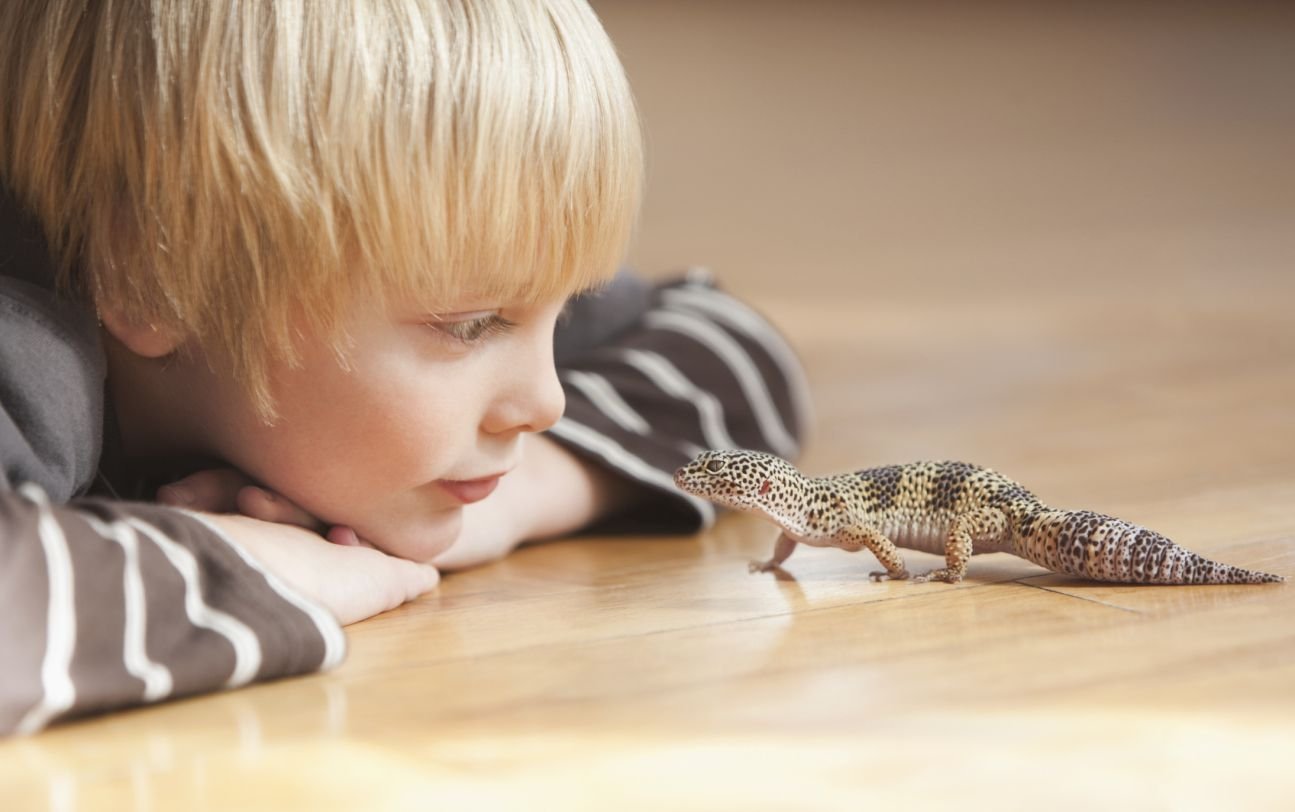
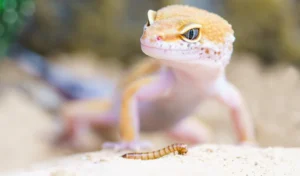
Leopard Gecko:
-
Size: 7–10 inches.
-
Temperament: Docile, tolerates gentle handling.
-
Care: Simple diet (crickets, mealworms), 20-gallon tank, no UVB light needed.
-
Lifespan: 10–20 years.
-
-
Bearded Dragon:
-
Size: 16–24 inches.
-
Temperament: Friendly, enjoys interaction.
-
Care: Varied diet (insects, greens), 40-gallon tank, UVB light required.
-
Lifespan: 8–12 years.
-
-
Crested Gecko:
-
Size: 6–8 inches.
-
Temperament: Gentle, good for older kids.
-
Care: Fruit-based diet, 20-gallon tall tank, no heating required in stable climates.
-
Lifespan: 10–15 years.
-
-
-
Tools/Resources: Use resources like PetMD.com, ReptileCentre.com, or local herpetological societies to compare species.
-
Example: A family chose a leopard gecko for their 10-year-old because it required less complex lighting and heating than a bearded dragon.
Step 3: Evaluate Family Resources and Commitment
-
Action: Assess the family’s budget, time, and space for lizard care:
-
Initial Costs: $100–$300 for tank, lighting, substrate, and lizard.
-
Ongoing Costs: $10–$30/month for food, bedding, and utilities.
-
Time: 15–30 minutes daily for feeding, cleaning, and interaction.
-
Space: Adequate room for a tank (20–40 gallons).
-
-
Tools/Resources: Create a budget using a spreadsheet or apps like Mint. Visit pet stores to see tank sizes in person.
-
Example: A family budgeted $200 for a leopard gecko setup and confirmed they had space for a 20-gallon tank in their child’s bedroom.
Step 4: Ensure Safety and Legal Compliance
-
Action: Verify the lizard’s safety for kids and compliance with local laws:
-
Choose docile species to minimize bite/scratch risks.
-
Teach kids to wash hands after handling to prevent Salmonella.
-
Check local regulations on pet reptiles (e.g., some areas restrict certain species).
-
-
Tools/Resources: Contact local animal control or visit Fish and Wildlife Service websites for regulations. Use CDC.gov for reptile safety guidelines.
-
Example: A parent confirmed leopard geckos were legal in their state and taught their child to wash hands after handling to avoid health risks.
Step 5: Set Up the Habitat and Purchase the Lizard
-
Action: Prepare the lizard’s habitat before bringing it home:
-
Tank: 20–40 gallons, depending on species.
-
Substrate: Reptile carpet or paper towels for easy cleaning.
-
Heating/Lighting: Heat mat for leopard geckos, UVB light for bearded dragons.
-
Hides and Decor: Provide hiding spots and climbing structures.
-
Purchase the lizard from a reputable breeder or pet store.
-
-
Tools/Resources: Buy supplies from pet stores like Petco or online retailers like Chewy.com. Consult setup guides on ReptileCentre.com.
-
Example: A family set up a 20-gallon tank with a heat mat, reptile carpet, and two hides for a leopard gecko, ensuring it was ready before purchase.
Step 6: Educate and Supervise
-
Action: Teach the child proper care routines and supervise their interactions:
-
Feeding: Offer appropriate food (e.g., crickets for leopard geckos, greens for bearded dragons).
-
Cleaning: Spot-clean daily, deep-clean monthly.
-
Handling: Gentle, brief sessions to avoid stressing the lizard.
-
-
Tools/Resources: Create a care checklist or use apps like Habitica to track tasks. Watch YouTube tutorials from channels like Snake Discovery.
-
Example: A parent supervised their 9-year-old’s first month of leopard gecko care, ensuring they followed a feeding and cleaning schedule.
Real-World Case Study
Case: The Martinez family wanted a pet lizard for their 7-year-old daughter, Mia. Initially drawn to a colorful anole, they researched and learned anoles are skittish and require complex care. Following online advice, they chose a leopard gecko for its docile nature and simpler needs.
-
Actions Taken: They budgeted $150 for a 20-gallon tank setup, bought a healthy gecko from a breeder, and created a care checklist for Mia with parental oversight.
-
Outcome: Mia successfully cared for the gecko, named “Spot,” for over a year, gaining confidence and responsibility. The family avoided health or stress issues by following safety and care guidelines.
-
Lesson: Thorough research and matching the lizard to the child’s abilities ensured a positive experience.
Preventive Strategies
To ensure long-term success:
-
Regular Veterinary Checkups: Schedule annual visits with a reptile-savvy vet to monitor health.
-
Maintain Consistent Care: Stick to feeding and cleaning schedules to keep the lizard healthy.
-
Upgrade Habitat as Needed: Increase tank size for growing lizards like bearded dragons.
-
Educate Continuously: Stay updated on care practices through reptile forums or books.
-
Plan for Long-Term Commitment: Discuss who will care for the lizard if the child loses interest or leaves for college.
Additional Tips
-
Start Small: Choose a smaller, less demanding lizard like a leopard gecko to build confidence.
-
Involve Kids in Setup: Let children help decorate the tank to foster ownership.
-
Join Reptile Communities: Participate in online forums like ReptileForums.com or local herpetology clubs for support.
-
Avoid Exotic Species: Steer clear of monitors or chameleons, which require advanced care.
-
Monitor Child Engagement: If interest wanes, parents should step in to ensure the lizard’s well-being.
Next Steps and Call to Action
Don’t let indecision or lack of knowledge lead to a poor pet choice. Start today by:
-
Assessing your child’s readiness and discussing their interest in a pet lizard.
-
Researching beginner-friendly species like leopard geckos or bearded dragons.
-
Budgeting for setup and ongoing care costs.
-
Visiting a pet store or breeder to see lizards and habitats in person.
-
Setting up a proper tank and purchasing a healthy lizard from a reputable source.