Comprehensive Guide to Choosing the Best Safari Destinations for Spotting Big Cats in 2025
Introduction
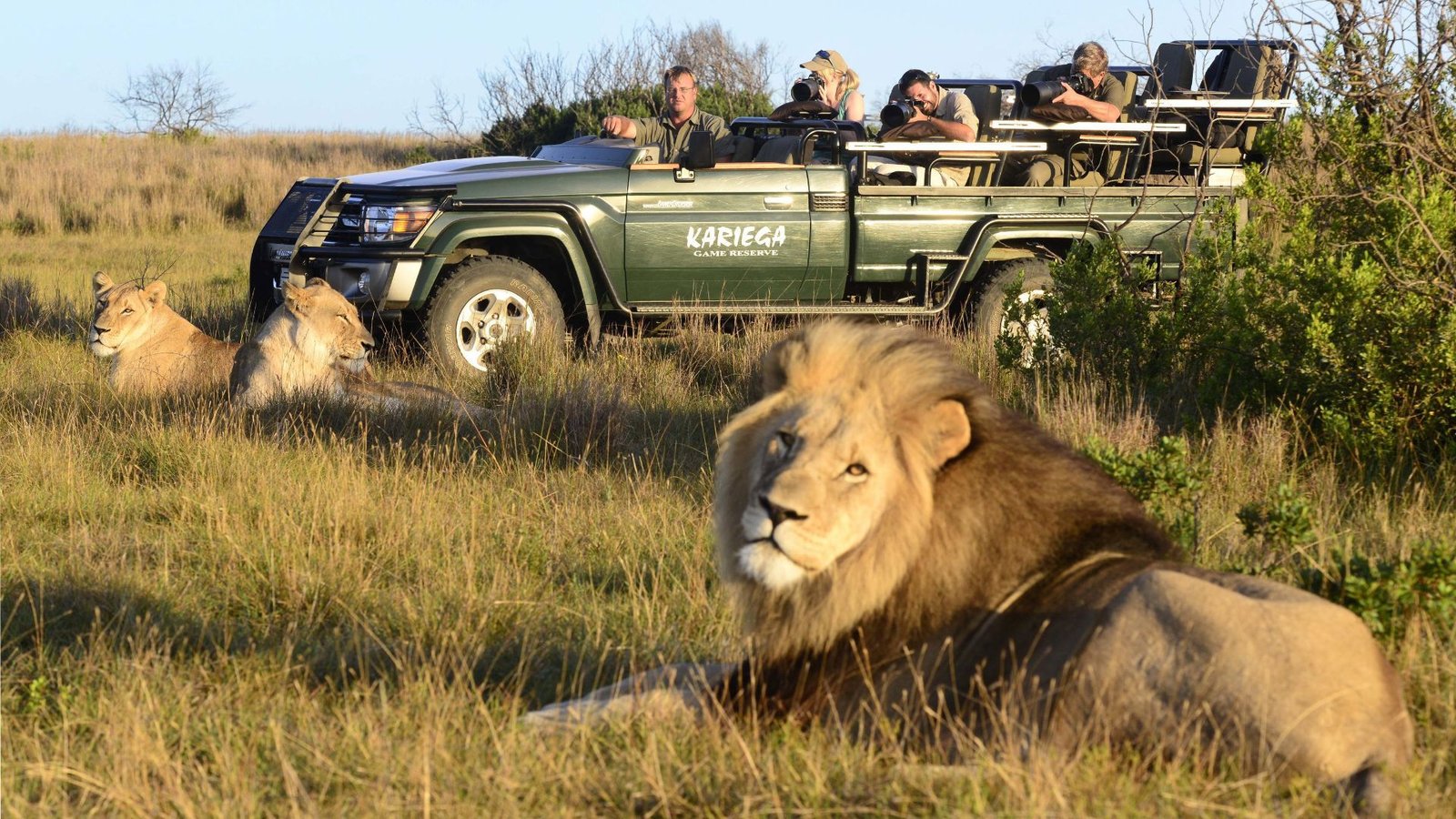
Planning a safari to spot big cats—lions, leopards, cheetahs, tigers, jaguars, and more—is a thrilling endeavor, but it can be overwhelming due to the multitude of destinations, seasonal variations, and logistical considerations. This guide breaks down the problem of selecting the best safari destinations for spotting big cats in 2025, identifies common challenges, and provides a step-by-step solution to ensure a rewarding experience. By addressing these issues proactively, travelers can maximize their chances of witnessing these majestic animals in their natural habitats.
Problem Breakdown: Challenges in Choosing Safari Destinations
The problem of selecting the best safari destinations for spotting big cats can be divided into smaller components:
-
Information Overload: With countless destinations across Africa, Asia, and South America, travelers often struggle to identify which locations offer the best opportunities for spotting specific big cats.
-
Seasonal and Environmental Factors: Big cat sightings depend on weather, migration patterns, and habitat conditions, which vary by season and region.
-
Budget and Accessibility: High-end safaris can be expensive, and remote destinations may be difficult to reach, limiting options for some travelers.
-
Conservation and Ethical Concerns: Unethical operators or overcrowded parks can harm wildlife and diminish the safari experience.
-
Lack of Expertise: Without guidance, travelers may choose destinations or operators that don’t align with their goals, leading to disappointing experiences.
Common Causes
-
Lack of Research: Relying on outdated or incomplete information about destinations or operators.
-
Misaligned Expectations: Assuming all safaris guarantee big cat sightings without understanding species-specific behaviors or habitats.
-
Poor Planning: Booking during suboptimal seasons or neglecting logistical details like accommodation or transport.
-
Ignoring Conservation: Choosing operators that prioritize profit over animal welfare or environmental sustainability.
Consequences of Not Addressing the Issue
Failing to choose the right safari destination can lead to:
-
Missed Sightings: Traveling to a destination during the wrong season or to a park with low big cat populations reduces sighting chances.
-
Wasted Resources: Spending significant time and money on a disappointing experience.
-
Ethical Harm: Supporting unethical operators can contribute to habitat destruction or animal stress.
-
Safety Risks: Poorly managed safaris may expose travelers to unsafe conditions or unreliable guides.
Solution: Step-by-Step Guide to Choosing the Best Safari Destinations

Step 1: Identify Your Target Big Cats
Determine which big cats you most want to see, as this will narrow down your destination options.
-
Lions: Best in African savannas (e.g., Masai Mara, Serengeti).
-
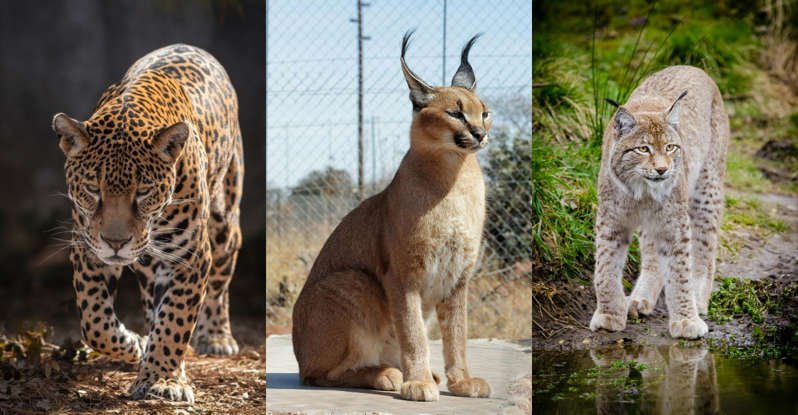
Leopards: Elusive, found in diverse habitats (e.g., South Luangwa, Sabi Sands).
-
Cheetahs: Prefer open plains (e.g., Serengeti, Namiri Plains).
-
Tigers: Native to Asia (e.g., Bandhavgarh, Ranthambore).
-
Jaguars: Found in South America (e.g., Pantanal).
-
Snow Leopards: High-altitude regions (e.g., Ladakh).
-
Pumas: Patagonian wilderness (e.g., Torres del Paine).
Action: Create a prioritized list of big cats you want to see. Use resources like Natural World Safaris or Responsible Travel to research species-specific destinations.
Step 2: Research Top Destinations for 2025
Based on your target species, select destinations known for high sighting probabilities. Below are top recommendations for 2025, based on conservation status, accessibility, and expert reviews:
Africa
-
Masai Mara National Reserve, Kenya:
-
Big Cats: Lions, leopards, cheetahs.
-
Why: Home to the Great Migration (June–October), attracting predators. Famous for BBC’s Big Cat Diary.
-
Best Time: July–October (dry season, shorter grass).
-
Camps: Kicheche Camps, Governor’s Camp.
-
-
Serengeti National Park, Tanzania:
-
Big Cats: Lions (3,000+), cheetahs, leopards.
-
Why: Vast plains and migration routes ensure frequent sightings. Namiri Plains is ideal for cheetahs.
-
Best Time: December–July (migration season).
-
Camps: Namiri Plains, Chalo Africa lodges.
-
-
South Luangwa National Park, Zambia:
-
Big Cats: Leopards (highest density), lions.
-
Why: Known as the “Valley of the Leopard,” with day and night drives.
-
Best Time: July–October (dry season).
-
Camps: Tafika, Puku Ridge, Tena Tena.
-
-
Sabi Sands Game Reserve, South Africa:
-
Big Cats: Leopards, lions.
-
Why: Off-road driving allows close encounters. High leopard sighting success.
-
Best Time: May–September (dry season).
-
Camps: Londolozi, Tanda Tula.
-
-
Queen Elizabeth National Park, Uganda:
-
Big Cats: Tree-climbing lions, leopards.
-
Why: Ishasha sector is famous for lions in acacia trees.
-
Best Time: June–September (dry season).
-
Camps: Ishasha Wilderness Camp.
-
Asia
-
Bandhavgarh National Park, India:
-
Big Cats: Tigers.
-
Why: Highest tiger density in India.
-
Best Time: October–June.
-
Camps: Samode Safari Lodge.
-
-
Ladakh, India:
-
Big Cats: Snow leopards.
-
Why: High-altitude expeditions with expert trackers.
-
Best Time: February–March (winter, when snow leopards descend).
-
Camps: Snow Leopard Lodge.
-
South America
-
Pantanal, Brazil:
-
Big Cats: Jaguars.
-
Why: World’s largest wetland, with jaguars often seen near rivers.
-
Best Time: July–October (dry season).
-
Camps: Caiman Ecological Refuge.
-
-
Torres del Paine National Park, Chile:
-
Big Cats: Pumas.
-
Why: Winter tracking safaris increase sightings.
-
Best Time: June–August (winter).
-
Camps: Explora Patagonia.
-
Action: Use travel platforms like Discover Africa, Aardvark Safaris, or Naturetrek to compare destinations. Cross-reference with TripAdvisor reviews for real-time traveler feedback.
Step 3: Choose the Right Season
Timing is critical for big cat sightings. Dry seasons are generally best, as animals congregate around water sources and vegetation is sparse, improving visibility.
-
Africa: July–October (dry season) for most parks; December–July for Serengeti’s migration.
-
Asia: October–June for tigers; February–March for snow leopards.
-
South America: July–October for jaguars; June–August for pumas.
Action: Check seasonal calendars on operator websites like Chalo Africa or Natural High Safaris. Book 6–12 months in advance for peak seasons.
Step 4: Select a Reputable Safari Operator
Choose operators committed to conservation, ethical practices, and expert guiding.
-
Criteria:
-
Small group sizes (4–12 people) for less disturbance.
-
Guides with zoology or photography expertise.
-
Support for conservation projects (e.g., Big Cat Sanctuary, AfriCat Foundation).
-
Positive reviews on platforms like TripAdvisor or Responsible Travel.
-
-
Recommended Operators:
-
Natural World Safaris: Offers tailored big cat tours with conservation focus.
-
Naturetrek: 100% success rate for tiger and jaguar tours.
-
African Big Cats Safaris: Highly rated for customer service and sightings.
-
Journeysmiths: Luxury, tailor-made safaris with expert guides.
-
Action: Contact operators directly to discuss itineraries, group sizes, and conservation policies. Verify credentials through Responsible Travel or Wild Cat Family listings.
Step 5: Plan Logistics and Budget
-
Budget:
-
Africa: $3,000–$8,000 per person for 5–8 days (e.g., Masai Mara, Serengeti).
-
Asia: $4,000–$7,000 (e.g., Bandhavgarh, Ladakh).
-
South America: $5,000–$8,500 (e.g., Pantanal, Torres del Paine).
-
-
Logistics:
-
Book flights to major hubs (e.g., Nairobi for Kenya, Dar es Salaam for Tanzania, Delhi for India).
-
Arrange visas and vaccinations (e.g., yellow fever for Uganda, Zambia).
-
Reserve accommodations (luxury lodges, tented camps, or budget camps).
-
-
Tools:
-
Skyscanner: Compare flight prices.
-
Travel Health Pro: Check vaccination requirements.
-
Booking.com: Find lodges or camps near parks.
-
Action: Create a budget spreadsheet, including flights, accommodations, safari costs, and incidentals. Use travel apps to track deals and availability.
Step 6: Prepare for the Safari
-
Gear:
-
Binoculars (e.g., Nikon Monarch 8×42).
-
Camera with zoom lens (e.g., Canon EOS R7 with 100–400mm lens).
-
Neutral-colored clothing, sturdy boots, and sun protection.
-
-
Knowledge:
-
Learn about big cat behaviors (e.g., leopards are nocturnal, cheetahs hunt midday).
-
Study park maps and sighting hotspots (e.g., Narus Valley for Kidepo).
-
-
Safety:
-
Follow guide instructions (e.g., stay in vehicles unless on walking safaris).
-
Avoid bright colors or strong perfumes that attract animals.
-
Action: Purchase gear from retailers like REI or B&H Photo. Read guidebooks like The Safari Companion by Richard Estes for behavioral insights.
Step 7: Monitor and Adjust During the Safari
-
Engage with Guides: Share your priorities (e.g., leopard sightings) to tailor game drives.
-
Be Flexible: Weather or animal movements may require itinerary changes.
-
Document Sightings: Keep a journal or use apps like eBird or iNaturalist to record observations.
Action: Communicate daily with your guide to optimize routes. Use a notebook or app to log sightings for future reference.
Case Study: Successful Big Cat Safari in Masai Mara
In 2024, a family of six booked a 6-day safari with African Big Cats Safaris in Kenya’s Masai Mara. They prioritized seeing lions and cheetahs. Their guide, Obedi, used radio communication with other guides and his knowledge of animal behavior to locate a lion pride hunting a buffalo and a cheetah chasing a gazelle. By traveling in July (dry season) and staying at Kicheche Bush Camp, they maximized sightings. The operator’s conservation focus ensured minimal disturbance to wildlife, and the family’s preparation (binoculars, neutral clothing) enhanced their experience. This case illustrates the importance of expert guides, seasonal timing, and ethical operators.
Preventing Future Issues
-
Stay Informed: Subscribe to newsletters from Aardvark Safaris or Discover Africa for updates on park conditions and conservation efforts.
-
Book Early: Reserve 6–12 months in advance to secure peak season spots and better rates.
-
Support Conservation: Choose operators that fund projects like the Big Cat Sanctuary or AfriCat Foundation.
-
Diversify Expectations: Focus on the overall wildlife experience, not just big cats, to avoid disappointment if sightings are scarce.
-
Join Communities: Engage with forums like TripAdvisor or Safari Talk to share tips and learn from other travelers.
Next Steps and Call to Action
-
Start Planning Today: List your target big cats and research destinations using the recommendations above.
-
Contact Operators: Reach out to Natural World Safaris, Naturetrek, or African Big Cats Safaris for tailored itineraries.
-
Set a Budget: Use tools like Skyscanner and Booking.com to estimate costs and find deals.
-
Prepare Gear and Knowledge: Order equipment and read up on big cat behaviors before your trip.
-
Book Now: Secure your 2025 safari during the optimal season to ensure the best experience.
Don’t let indecision or lack of planning prevent you from experiencing the thrill of spotting big cats in the wild. Take action now by visiting ResponsibleTravel.com or ChaloAfrica.com to explore packages and start your journey. Your unforgettable safari adventure awaits