Comprehensive Guide to Choosing the Best Tropical Fish for Small Aquariums in 2025
Introduction
Setting up a small tropical aquarium (typically 5–20 gallons) is an exciting venture, but choosing the right fish is critical to ensuring a thriving, low-maintenance ecosystem. Small aquariums pose unique challenges due to limited space, water volume, and sensitivity to environmental changes. This guide breaks down the problem of selecting the best tropical fish for small aquariums, identifies common causes of issues, outlines consequences of poor choices, and provides actionable steps to resolve the problem. Real-world examples, prevention tips, and next steps will empower clients to create a healthy aquarium in 2025.
Problem Breakdown: Choosing the Right Tropical Fish for Small Aquariums
The problem of selecting the best tropical fish for small aquariums can be broken into smaller components:
-
Limited Space and Stocking Density: Small tanks restrict the number and size of fish that can be housed without overcrowding.
-
Water Quality Sensitivity: Smaller water volumes are prone to rapid changes in parameters like ammonia, nitrite, and temperature, which can stress or kill fish.
-
Fish Compatibility: Some tropical fish are aggressive, territorial, or have specific social needs (e.g., schooling), making them unsuitable for small tanks or certain tankmates.
-
Maintenance Requirements: Beginners often choose fish that require complex care, leading to poor health outcomes in small setups.
-
Aesthetic and Behavioral Appeal: Clients want vibrant, active fish that enhance the tank’s visual appeal and suit their lifestyle.
Common Causes of the Problem
Several factors contribute to poor fish selection for small aquariums:
-
Lack of Research: Clients may impulse-buy fish without understanding their size, behavior, or environmental needs. For example, choosing a fish like an Oscar, which grows to 12 inches, for a 10-gallon tank.
-
Misleading Advice: Pet stores may recommend inappropriate fish to boost sales, such as suggesting goldfish for small tanks despite their high waste output.
-
Overstocking: Adding too many fish or fish that grow too large overwhelms the tank’s filtration and space, leading to poor water quality.
-
Ignoring Water Parameters: Tropical fish require specific temperature (typically 75–82°F), pH (6.5–7.5), and hardness levels, which clients may not test or maintain.
-
Incompatible Species: Mixing aggressive fish (e.g., bettas) with peaceful ones (e.g., neon tetras) can result in stress, injury, or death.
Consequences of Not Addressing the Issue
Failing to choose appropriate fish for a small aquarium can lead to serious issues:
-
Fish Stress and Mortality: Overcrowding or incompatible tankmates cause stress, disease, and death. For instance, neon tetras kept in groups smaller than six may become stressed and prone to illness.
-
Poor Water Quality: Overstocking or high-waste fish (e.g., plecos) can spike ammonia and nitrite levels, leading to toxic conditions.
-
Algae and Disease Outbreaks: Excess nutrients from overfeeding or waste can cause algae blooms, while poor conditions increase the risk of diseases like ich, a common parasite that appears as white spots.
-
Increased Maintenance: Unsuitable fish require frequent water changes and tank cleaning, discouraging beginners and potentially leading to tank abandonment.
-
Financial and Emotional Cost: Dead fish, replacement costs, and failed setups can frustrate clients, diminishing their enjoyment of the hobby.
Actionable Step-by-Step Solution
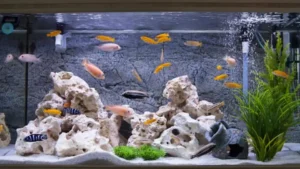
Follow these steps to choose the best tropical fish for a small aquarium in 2025, ensuring a healthy and visually appealing setup.
Step 1: Assess Tank Size and Setup
-
Action: Determine the tank’s capacity (e.g., 5, 10, or 20 gallons) and ensure it’s equipped with a heater, filter, thermometer, and light. Small tanks (5–10 gallons) are best for nano fish, while 15–20 gallons allow slightly larger or schooling species.
-
Tools/Resources:
-
Tank size calculator: Use online tools like Aquarium Co-Op’s stocking guide to estimate safe fish numbers.
-
Equipment: Invest in a reliable heater (5 watts per gallon) and a hang-on-back or sponge filter suitable for the tank size.
-
-
Example: A 10-gallon tank can safely house 6–8 neon tetras, one corydoras catfish, and a few shrimp, assuming proper filtration and weekly 25% water changes.
Step 2: Research Suitable Fish Species
-
Action: Select hardy, small, and peaceful tropical fish that thrive in small aquariums. Recommended species for 2025 include:
-
Neon Tetra (Paracheirodon innesi): 1–1.5 inches, peaceful, vibrant blue and red colors, prefers groups of 6–12. Ideal for 5–20 gallons.
-
Guppy (Poecilia reticulata): 1–2 inches, hardy, colorful, live-bearing (watch for overpopulation). Suitable for 5–20 gallons.
-
Betta (Betta splendens): 2–3 inches, vibrant, solitary (avoid tankmates in 5-gallon tanks). Best for 5–10 gallons with no fin-nippers.
-
Pygmy Corydoras (Corydoras pygmaeus): 1 inch, peaceful, bottom-dweller, prefers groups of 4–6. Ideal for 10–20 gallons.
-
White Cloud Mountain Minnow (Tanichthys albonubes): 1.5 inches, hardy, schooling, tolerates cooler temperatures (68–75°F). Great for 5–20 gallons.
-
-
Tools/Resources:
-
Online care guides: Websites like Aquarium Co-Op or The Spruce Pets offer detailed fish profiles.
-
Local aquarium specialist: Consult experts at a reputable fish store for compatibility advice.
-
-
Strategy: Prioritize fish that stay under 2 inches, have low bioload (waste output), and are compatible with your tank’s water parameters (pH 6.5–7.5, temperature 75–82°F).
Step 3: Plan Stocking Density
-
Action: Follow the general rule of 1 inch of fish per 2–3 gallons of water for small tanks, accounting for adult size and bioload. For example, a 10-gallon tank can support 3–5 inches of fish (e.g., 6 neon tetras at 1 inch each).
-
Tools/Resources:
-
Stocking density formula: Use Real Aquatics’ guideline: 1 inch of tropical fish per 5 liters (1.3 gallons).
-
Water test kit: Monitor ammonia, nitrite, and nitrate levels to ensure the tank can handle the bioload.
-
-
Strategy: Add fish gradually (2–3 at a time) over weeks to allow the filter’s beneficial bacteria to adjust to waste.
Step 4: Acclimate and Introduce Fish
-
Action: Properly acclimate fish to prevent shock:
-
Turn off aquarium lights and minimize noise.
-
Float the fish bag in the tank for 20 minutes to match temperatures.
-
Gradually add tank water to the bag over 15–20 minutes.
-
Net the fish into the tank, avoiding adding bag water.
-
-
Tools/Resources:
-
Fish net and bucket: Use for safe transfer.
-
Quarantine tank: Quarantine new fish for 1–4 weeks to prevent diseases like ich.
-
-
Example: A client successfully introduced 6 neon tetras to a 10-gallon tank by quarantining them for two weeks and acclimating them over 30 minutes, resulting in no losses.
Step 5: Maintain the Aquarium
-
Action: Implement a regular maintenance routine to support fish health:
-
Test water weekly for ammonia (0 ppm), nitrite (0 ppm), nitrate (<40 ppm), pH, and temperature.
-
Perform 25% water changes every 1–2 weeks using dechlorinated water.
-
Feed sparingly (food consumed in 1 minute, 1–2 times daily) to prevent waste buildup.
-
Clean filter media in tank water monthly to preserve beneficial bacteria.
-
-
Tools/Resources:
-
Water conditioner: Use products like Fluval Aqua Plus to remove chlorine.
-
Gravel siphon: Clean substrate during water changes.
-
Timer: Set lights for 8–10 hours daily to mimic a day/night cycle and reduce algae.
-
-
Strategy: Avoid overfeeding, as excess food increases phosphate levels, promoting algae and poor water quality.
Real-World Example: Case Study
Scenario: In 2024, Sarah, a beginner aquarist, set up a 10-gallon tropical tank but lost fish due to overstocking and poor species selection. She sought help from a local aquarium specialist.
Solution:
-
Tank Assessment: Sarah’s tank had a heater, sponge filter, and LED light but was overstocked with 10 neon tetras, 2 mollies, and a common pleco (unsuitable due to its 12-inch adult size).
-
Fish Selection: The specialist recommended rehoming the pleco and mollies (high bioload) and keeping 8 neon tetras and 4 pygmy corydoras, which fit the tank’s capacity.
-
Acclimation: Sarah quarantined new corydoras for two weeks and acclimated them properly.
-
Maintenance: She implemented weekly 25% water changes, tested water parameters, and fed fish sparingly with high-quality flakes.
-
Outcome: After three months, Sarah’s tank was stable, with vibrant fish and minimal algae. The neon tetras schooled beautifully, and the corydoras added activity at the tank bottom.
Lesson: Proper fish selection and maintenance prevented further losses, transforming Sarah’s experience into a rewarding hobby.
Prevention Tips for Future Success
To avoid similar issues in the future, clients should:
-
Research Thoroughly: Before purchasing, read care guides on sites like Aquarium Co-Op or join forums like r/Aquariums on Reddit for community advice.
-
Start Small: Begin with a single species (e.g., 6–8 neon tetras) and add others only after the tank is stable for 4–6 weeks.
-
Quarantine New Fish: Use a 5-gallon quarantine tank to monitor for diseases like ich, which can devastate small tanks.
-
Monitor Water Quality: Invest in a liquid test kit (e.g., API Freshwater Master Test Kit) and test weekly to catch issues early.
-
Avoid Overfeeding: Feed only what fish consume in 1 minute to reduce waste and algae.
-
Choose Low-Light Plants: Add low-maintenance plants like Java fern or Anubias to absorb nutrients and reduce algae without needing intense lighting.
-
Use a Timer for Lights: Set lights for 8–10 hours to prevent algae blooms caused by excessive light.
Next Steps and Call to Action
To create a thriving small tropical aquarium in 2025, take these immediate steps:
-
Evaluate Your Tank: Confirm your tank size and ensure it has a heater, filter, and light. Purchase any missing equipment from reputable brands like Fluval or Oase.
-
Research Fish: Choose 1–2 species from the recommended list (e.g., neon tetras, guppies) and verify their compatibility with your tank size and water parameters.
-
Visit a Local Fish Store: Consult an aquarium specialist to confirm your choices and purchase healthy fish. Bring a water sample for free testing if offered.
-
Set Up a Maintenance Schedule: Plan weekly water tests and 25% water changes, and order a water test kit and conditioner if you don’t have them.
-
Join a Community: Engage with online forums like Tropical Fish Care Guides or local aquarium clubs for ongoing support.