Comprehensive Guide to Maintaining Proper Habitat Conditions for Reptiles and Amphibians
Reptiles and amphibians are sensitive to their environment, and improper habitat conditions can lead to stress, illness, or even death. This guide breaks down the problem of maintaining a suitable habitat into manageable components, identifies common causes of issues, explains the consequences of neglect, and provides step-by-step solutions. Real-world examples illustrate the process, and prevention tips help clients avoid future problems.
Breaking Down the Problem: Key Components of Habitat Conditions
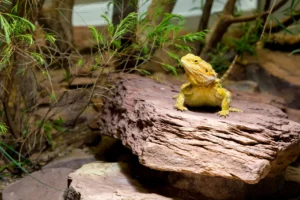
Maintaining a proper habitat for reptiles and amphibians involves several interconnected elements. Issues in any of these areas can disrupt the animal’s health and well-being. The main components are:
- Temperature Regulation:
- Reptiles and amphibians are ectothermic (cold-blooded), relying on external heat sources to regulate body temperature.
- Each species has specific temperature requirements for basking, ambient air, and cool zones.
- Humidity Control:
- Humidity levels affect skin health, shedding, and respiratory function.
- Amphibians often require higher humidity than reptiles, but desert-dwelling reptiles need lower levels.
- Lighting and UVB Exposure:
- Proper lighting mimics natural sunlight, supporting metabolism and behavior.
- UVB light is critical for many reptiles to synthesize vitamin D3 and absorb calcium.
- Enclosure Cleanliness:
- Waste, uneaten food, and mold can lead to infections or parasites.
- Poor substrate choices or infrequent cleaning exacerbate issues.
- Substrate and Furnishings:
- Inappropriate substrates (e.g., sand causing impaction) or lack of hiding spots can stress animals.
- Furnishings must suit the species’ natural behaviors (e.g., climbing, burrowing).
Common Causes of Habitat-Related Issues
- Lack of Knowledge:
- New owners may not research species-specific needs (e.g., assuming all lizards need the same conditions).
- Example: A client keeps a ball python in a dry tank, unaware it needs 50–60% humidity.
- Inadequate Equipment:
- Using low-quality thermometers, hygrometers, or heat lamps that fail to maintain stable conditions.
- Example: A broken thermostat causes temperature spikes in a bearded dragon’s enclosure.
- Neglect or Inconsistent Maintenance:
- Skipping regular cleaning or failing to replace UVB bulbs every 6–12 months.
- Example: Mold grows in a frog’s tank due to infrequent substrate changes.
- Improper Setup:
- Incorrect placement of heat sources (e.g., heat mat under substrate instead of on one side).
- Example: A chameleon lacks a vertical gradient for thermoregulation.
- Environmental Factors:
- Room temperature fluctuations or drafts affecting the enclosure.
- Example: A cold draft lowers a tortoise’s enclosure temperature at night.
Consequences of Not Addressing Habitat Issues
Failing to maintain proper habitat conditions can have severe repercussions for reptiles and amphibians, including:
- Health Problems:
- Metabolic Bone Disease (MBD): Caused by insufficient UVB or calcium, leading to deformed bones and fractures.
- Respiratory Infections: High humidity or poor ventilation can cause pneumonia-like symptoms.
- Shedding Issues: Low humidity leads to incomplete sheds, risking skin infections.
- Stress and Lethargy: Improper temperatures or lack of hiding spots reduce activity and appetite.
- Behavioral Issues:
- Stress from an unsuitable environment can cause aggression, hiding, or refusal to eat.
- Reduced Lifespan:
- Chronic habitat issues weaken the immune system, making animals prone to infections or organ failure.
- Financial Costs:
- Veterinary bills for treating preventable conditions can be significant (e.g., $100–$500 for MBD treatment).
- Ethical Concerns:
- Neglect can lead to suffering, raising moral questions about pet ownership.
Actionable Step-by-Step Solution: Creating and Maintaining an Optimal Habitat
Here’s a practical, step-by-step plan to resolve habitat issues and ensure a healthy environment for reptiles and amphibians.
Step 1: Research Species-Specific Needs
- Action: Identify the exact species (e.g., leopard gecko, red-eyed tree frog) and consult reliable sources like care sheets from herpetological societies or books such as The Reptile Keeper’s Handbook.
- Tools/Resources:
- Websites: ReptilesMagazine.com, AmphibianCare.com.
- Forums: ReptileForums.co.uk or r/herpetology on Reddit for community advice.
- Example: For a crested gecko, confirm it needs 70–80°F, 60–80% humidity, and vertical climbing space.
Step 2: Assess Current Habitat Conditions
- Action:
- Measure temperature gradients using a digital thermometer with a probe (e.g., Zoo Med Digital Thermometer).
- Check humidity with a hygrometer (e.g., Exo Terra Hygrometer).
- Evaluate UVB output (if applicable) with a UV meter or check bulb age.
- Inspect enclosure for cleanliness, substrate condition, and furnishings.
- Tools:
- Thermometer ($10–$20), hygrometer ($5–$15), UV meter ($50+).
- Example: A client discovers their iguana’s enclosure is 65°F (too cold) and has a 2-year-old UVB bulb (ineffective).
Step 3: Upgrade Equipment as Needed
- Action:
- Install a thermostat-controlled heat source (e.g., ceramic heat emitter or under-tank heater) to maintain stable temperatures.
- Add a humidifier or misting system for high-humidity species; use ventilation for arid species.
- Replace UVB bulbs (e.g., Zoo Med ReptiSun 10.0) every 6–12 months, ensuring proper distance from the animal.
- Resources:
- Retailers: Petco, Chewy.com, or specialty stores like TheBioDude.com.
- Budget tip: Compare prices on Amazon but verify product authenticity.
- Example: Replace a non-thermostat heat lamp with a ceramic heater controlled by a Habistat Pulse Thermostat.
Step 4: Optimize Enclosure Setup
- Action:
- Create a thermal gradient (e.g., basking spot at 90°F, cool side at 75°F for a bearded dragon).
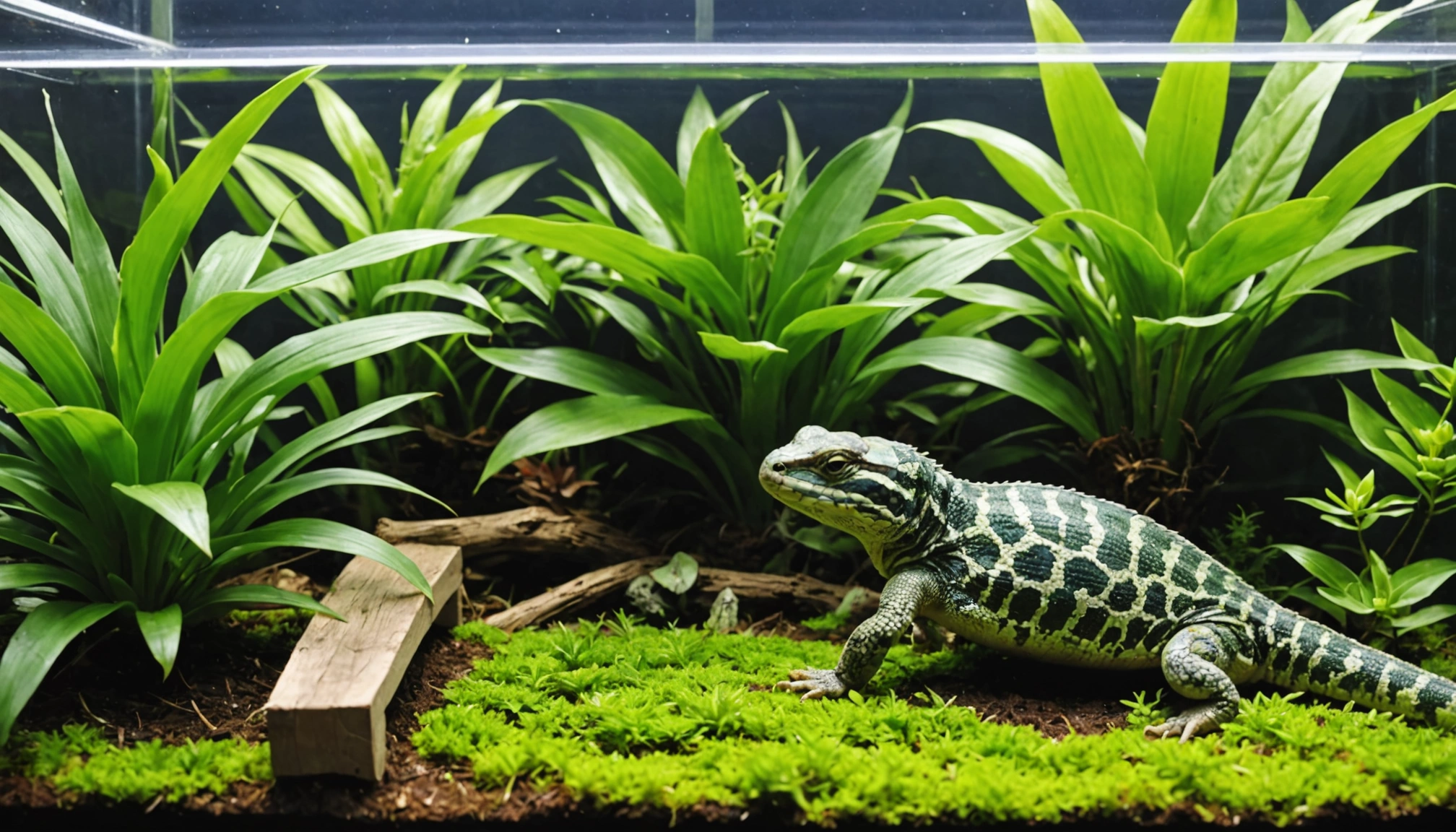
- Use appropriate substrate (e.g., coconut fiber for frogs, slate tiles for desert lizards).
- Add species-specific furnishings like branches, hides, or water features.
- Ensure proper ventilation to prevent mold or stagnation.
- Tools:
- Substrates: Eco Earth ($10–$20), Reptile Carpet ($5–$15).
- Furnishings: Driftwood, cork bark, or PVC hides from pet stores.
- Example: Add a shallow water dish and live plants to a dart frog enclosure to boost humidity and mimic its natural habitat.
Step 5: Establish a Maintenance Routine
- Action:
- Clean enclosure weekly: remove waste, disinfect with reptile-safe cleaners (e.g., F10 Veterinary Disinfectant).
- Mist or adjust humidity daily for amphibians or high-humidity reptiles.
- Monitor temperature and humidity daily; log readings in a notebook or app.
- Replace substrate monthly or as needed; refresh water daily.
- Tools:
- Cleaning supplies: Spray bottle, scrub brush, gloves.
- Apps: Habitica or Google Keep for tracking tasks.
- Example: Set a weekly reminder to clean a tortoise’s enclosure and check UVB bulb functionality.
Step 6: Monitor Animal Health and Behavior
- Action:
- Observe for signs of stress or illness (e.g., lethargy, poor appetite, irregular shedding).
- Weigh the animal monthly to track growth or weight loss.
- Consult a reptile/amphibian veterinarian if issues persist (find one via the Association of Reptilian and Amphibian Veterinarians, ARAV.org).
- Resources:
- Vet directories: ARAV.org or ReptileVetFinder.com.
- Cost estimate: $50–$150 for a vet visit.
- Example: A client notices their snake’s incomplete shed, increases humidity, and schedules a vet checkup.
Real-World Example: Case Study
Client: Sarah, a first-time bearded dragon owner. Problem: Her dragon, Spike, is lethargic, not eating, and has soft bones. The enclosure uses a single heat lamp (no thermostat), an old UVB bulb, and sand substrate. Solution:
- Sarah researches bearded dragon care on ReptilesMagazine.com, learning Spike needs 95–100°F basking, 75–85°F cool side, and 30–40% humidity.
- She buys a digital thermometer and hygrometer, finding the basking spot is only 80°F and humidity is 20%.
- She upgrades to a thermostat-controlled ceramic heater and a new Zoo Med ReptiSun 10.0 UVB bulb, positioning it 8 inches from the basking area.
- She replaces sand with slate tiles to prevent impaction and adds a hide for comfort.
- Sarah establishes a routine: daily temperature checks, weekly cleaning, and monthly UVB bulb checks.
- After two weeks, Spike is more active. She consults a vet, who diagnoses early MBD and prescribes calcium supplements. Outcome: Spike recovers fully within two months, and Sarah joins a local herpetology club to stay informed.
Prevention Tips to Avoid Future Habitat Issues
- Invest in Quality Equipment Upfront:
- Choose reliable thermostats, UVB bulbs, and monitoring devices to avoid malfunctions.
- Example: A $30 thermostat prevents costly health issues vs. a $10 unreliable heat lamp.
- Stay Educated:
- Subscribe to herpetology newsletters or follow experts on platforms like YouTube (e.g., Clint’s Reptiles channel).
- Attend reptile expos or workshops for hands-on learning.
- Automate Where Possible:
- Use timers for lighting (12-hour day/night cycle) and automatic misters for humidity.
- Example: A $20 timer ensures consistent lighting for a chameleon.
- Regular Health Checks:
- Schedule annual vet visits to catch issues early.
- Keep a log of the animal’s weight, shedding, and behavior for reference.
- Adapt to Seasonal Changes:
- Adjust heating or humidity based on room conditions (e.g., add insulation in winter).
- Example: Move an enclosure away from a drafty window in colder months.
Next Steps and Call to Action
Don’t let improper habitat conditions jeopardize your reptile or amphibian’s health. Take action today to create a thriving environment:
- Start Now: Grab a notebook or app and list your pet’s species-specific needs (temperature, humidity, lighting, etc.).
- Check Your Setup: Use a thermometer and hygrometer to assess current conditions. Order any missing equipment (e.g., thermostat, UVB bulb) from a trusted retailer like Chewy.com.
- Set a Schedule: Create a maintenance calendar with daily, weekly, and monthly tasks to stay consistent.
- Seek Expert Advice: If you’re unsure about your setup, contact a local herpetologist or vet through ARAV.org for guidance.
- Join a Community: Connect with other owners via forums or social media groups to share tips and troubleshoot issues.