Comprehensive Guide to Managing Rapid Goldfish Growth in Ponds
Introduction
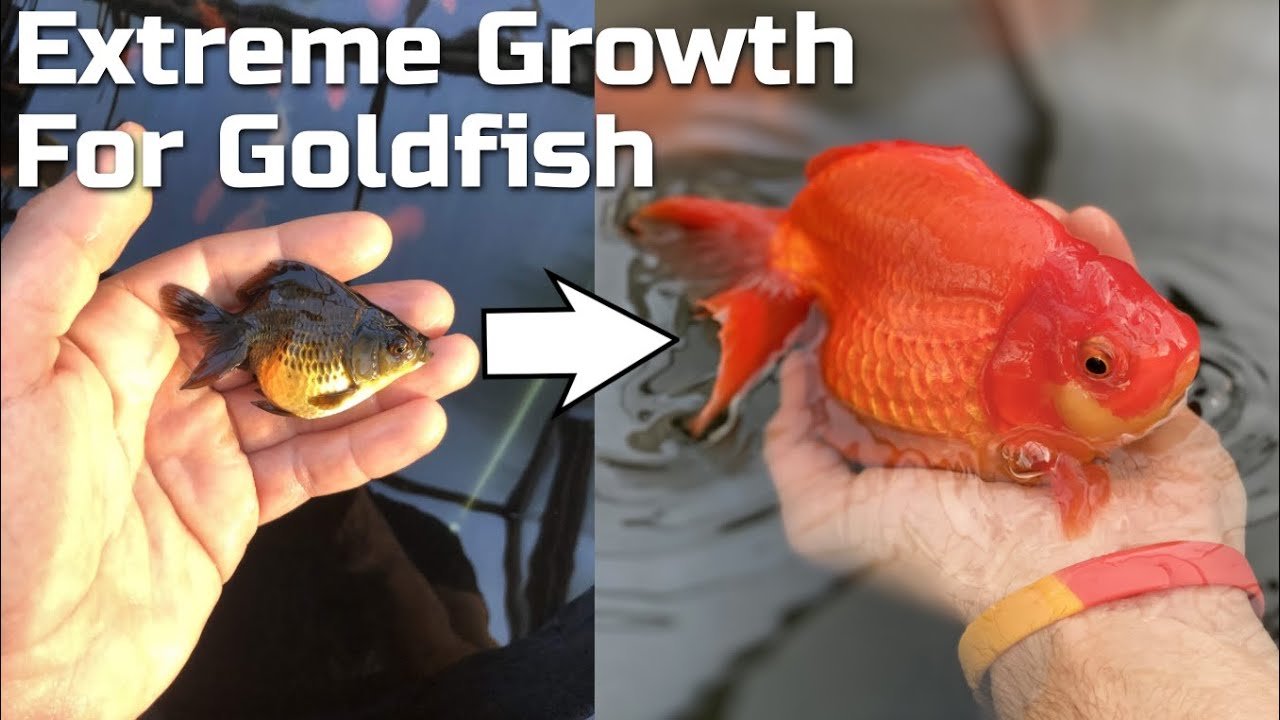
Goldfish in ponds often grow faster and larger than those in aquariums, sometimes reaching 12–18 inches in length within a few years. This rapid growth can surprise pond owners and lead to challenges in maintaining a healthy pond ecosystem. This guide breaks down the problem of rapid goldfish growth in ponds, identifies its causes, outlines the consequences of inaction, and provides a step-by-step solution with practical tools, resources, and real-world examples. It concludes with prevention tips and a call to action to help pond owners manage goldfish growth effectively.
Problem Breakdown: Components of Rapid Goldfish Growth in Ponds
The issue of rapid goldfish growth in ponds can be divided into several components:
-
Environmental Factors: Ponds provide more space, oxygen, and natural food sources than aquariums, allowing goldfish to grow to their genetic potential.
-
Diet and Feeding Practices: Overfeeding or nutrient-rich diets can accelerate growth, as goldfish metabolize excess food into body mass.
-
Water Quality: Optimal water conditions (e.g., stable pH, low ammonia) support healthy growth, but poor water quality can exacerbate health issues in rapidly growing fish.
-
Genetics and Species: Different goldfish varieties (e.g., common, comet, or shubunkin) have varying growth potentials, with some naturally growing larger.
-
Stocking Density: Overcrowded ponds can stress fish, but understocked ponds with ample resources can enable faster growth.
-
Reproduction: Uncontrolled breeding in ponds increases population density, amplifying competition and growth challenges.
Common Causes of Rapid Goldfish Growth
-
Large Pond Volume: Ponds typically offer 500–10,000 gallons of water compared to 10–50 gallons in aquariums, allowing goldfish to grow without spatial constraints.
-
Abundant Food Supply: Ponds naturally contain algae, insects, and plant matter, supplemented by frequent or excessive feeding, providing goldfish with constant nutrition.
-
Optimal Water Conditions: Stable temperatures (65–75°F), high oxygen levels, and low toxins in well-maintained ponds promote efficient metabolism and growth.
-
Genetic Predisposition: Common and comet goldfish, often chosen for ponds, are bred for larger sizes, unlike fancy varieties like orandas, which grow more slowly.
-
Lack of Feeding Control: Owners may overfeed, assuming goldfish need daily meals, leading to excess calorie intake and accelerated growth.
-
Uncontrolled Breeding: Goldfish spawn readily in ponds, producing hundreds of fry that compete for resources and grow quickly in favorable conditions.
Consequences of Not Addressing Rapid Growth
-
Overcrowding: Rapidly growing goldfish and their offspring can exceed the pond’s carrying capacity, leading to stress, aggression, and stunted growth in some fish.
-
Water Quality Degradation: Large goldfish produce more waste, increasing ammonia and nitrate levels, which can cause fish illness or algae blooms.
-
Health Issues: Overfed or oversized goldfish are prone to swim bladder disorders, obesity, and infections, reducing lifespan (typically 10–15 years).
-
Ecosystem Imbalance: Excessive goldfish growth can deplete oxygen, harm plants, and disrupt pond biodiversity, affecting other aquatic life.
-
Costly Interventions: Owners may face expensive solutions like pond expansion, filtration upgrades, or rehoming fish if growth is not managed early.
-
Aesthetic Decline: Overgrown goldfish or overcrowded ponds can make the pond less visually appealing, reducing its value as a garden feature.
Step-by-Step Solution: Managing Rapid Goldfish Growth
Step 1: Assess Pond and Fish Population
-
Action: Measure your pond’s volume (length × width × depth in feet × 7.48 for gallons) and count the number of goldfish. Aim for 1 inch of fish per 10–20 gallons of water to prevent overcrowding.
-
Tools/Resources:
-
Pond volume calculator (www.pondexpert.co.uk).
-
Notebook or app like Pond Keeper for tracking fish numbers.
-
-
Example: A 1,000-gallon pond should support 50–100 inches of fish (e.g., 5–10 goldfish at 10 inches each).
Step 2: Control Feeding Practices
-
Action: Feed goldfish a balanced diet (e.g., high-quality pellets with 30–35% protein) once daily, offering only what they consume in 2–3 minutes. Skip feeding 1–2 days per week to mimic natural foraging.
-
Tools/Resources:
-
Hikari Goldfish Pellets or Tetra Pond Fish Food for controlled nutrition.
-
Automatic feeders (e.g., Fish Mate F14) for precise portions.
-
-
Example: A pond owner reduced feeding from twice daily to once daily with Hikari pellets, slowing growth rates in their comet goldfish over six months.
Step 3: Monitor and Maintain Water Quality
-
Action: Test water weekly for pH (6.5–8.0), ammonia (0 ppm), nitrites (0 ppm), and nitrates (<40 ppm). Install a pond filter and aerator to handle waste from large goldfish, and perform 10–20% water changes monthly.
-
Tools/Resources:
-
API Pond Master Test Kit for water testing.
-
OASE BioSmart or Laguna Pressure-Flo filters for ponds.
-
Pond aeration kits (e.g., Airmax PondAir).
-
-
Example: Adding a UV clarifier and weekly testing prevented ammonia spikes in a 2,000-gallon pond with 12 large goldfish.
Step 4: Manage Breeding
-
Action: Introduce natural barriers like dense plants (e.g., water lilies) to limit spawning sites, or separate males and females during spring (spawning season). Consider introducing predator fish like koi (if compatible) to control fry populations.
-
Tools/Resources:
-
Pond plant guides from WaterGardens.org.
-
Local fish clubs or forums on X for advice on sexing goldfish.
-
-
Example: A pond owner added hornwort and separated spawning pairs, reducing fry numbers by 70% in one season.
Step 5: Rehome or Downsize Population
-
Action: If the pond is overstocked, rehome excess goldfish to other pond owners, pet stores, or aquariums. Contact local pond societies or use platforms like Nextdoor to find suitable homes.
-
Tools/Resources:
-
Koi and Goldfish Rescue organizations (e.g., www.goldfishsociety.org).
-
Social media groups like “Pond Enthusiasts” on X for rehoming.
-
-
Example: A client rehomed six oversized goldfish to a local koi farm, reducing their 500-gallon pond’s bioload and improving water clarity.
Step 6: Optimize Pond Design
-
Action: Add features like deeper areas (2–3 feet) to stabilize temperatures and floating plants to reduce algae, which limits excess food. Avoid overstocking by planning for adult goldfish sizes (up to 18 inches for comets).
-
Tools/Resources:
-
Pond design guides from The Pond Guy (www.thepondguy.com).
-
Floating plants like water hyacinth from AquaPlant.
-
-
Example: A 1,500-gallon pond redesign with deeper zones and lotus plants slowed algae growth, stabilizing food availability for goldfish.
Step 7: Monitor Growth and Health
-
Action: Observe goldfish monthly for signs of overgrowth (e.g., sluggishness, bloating) or health issues (e.g., fin rot, swim bladder problems). Consult a vet or aquatic specialist if abnormalities appear, and adjust feeding or population as needed.
-
Tools/Resources:
-
Fish health guides from FishVet (www.fishvet.com).
-
Apps like AquaBuddy for tracking fish health.
-
-
Example: Regular checks revealed early swim bladder issues in a shubunkin, treated by reducing feeding and adding Epsom salt baths, preventing further complications.
Real-World Examples and Case Studies
Case Study 1: Managing Overcrowding in a Backyard Pond
-
Problem: A 700-gallon pond in Texas housed 15 comet goldfish, which grew to 10–12 inches within two years, causing murky water and plant damage.
-
Solution: The owner used an API test kit to confirm high nitrates, installed a Laguna filter, and rehomed five goldfish to a local pond club. They also reduced feeding to every other day with Tetra Pond pellets.
-
Outcome: Water quality improved within a month, and the remaining goldfish showed stable growth and better coloration, with the pond regaining its aesthetic appeal.
-
Lesson: Combining population control and water management can mitigate the effects of rapid growth.
Case Study 2: Controlling Growth in a Community Pond
-
Problem: A 5,000-gallon community pond in a UK park had over 50 goldfish, with many exceeding 15 inches, leading to oxygen depletion and fish stress.
-
Solution: The park team added an Airmax aerator, planted water lilies to limit spawning, and worked with a fish rescue to rehome 20 goldfish. They implemented a feeding schedule with automatic dispensers.
-
Outcome: Oxygen levels stabilized, fish health improved, and growth rates slowed, reducing maintenance costs by 30% over a year.
-
Lesson: Strategic pond management and community collaboration can address large-scale growth issues.
Prevention Tips for Future Issues
-
Plan for Adult Sizes: Choose goldfish varieties with known growth limits (e.g., shubunkins over comets for smaller sizes) and stock conservatively.
-
Install Robust Filtration: Invest in a filter rated for 1.5–2 times your pond’s volume to handle waste as goldfish grow.
-
Limit Food Sources: Use algaecides sparingly and plant shade-providing flora to control natural food like algae, reducing excess nutrition.
-
Sterilize or Control Fry: Harvest eggs during spawning season or use UV sterilizers to limit fry survival, preventing population booms.
-
Regular Maintenance: Schedule monthly water tests and cleanings to catch issues early, ensuring a stable environment.
-
Educate Yourself: Join pond-keeping forums on X or read resources like “The Pond Bible” by Practical Fishkeeping for ongoing learning.
Next Steps and Call to Action
-
Act Now: Measure your pond’s volume and count your goldfish within the next week to assess stocking levels and plan adjustments.
-
Test Water: Purchase an API Pond Master Test Kit and check water parameters this weekend to ensure conditions aren’t fueling rapid growth.
-
Adjust Feeding: Start a controlled feeding schedule tomorrow, using high-quality pellets and skipping 1–2 days weekly.
-
Explore Rehoming: Contact local pond clubs or post on X within the next two weeks to find homes for excess goldfish if overstocked.
-
Enhance Pond: Order floating plants or an aerator from The Pond Guy or AquaPlant by next month to optimize your pond’s ecosystem.
-
Join a Community: Engage with pond enthusiast groups on X or Reddit to share tips and stay updated on best practices.