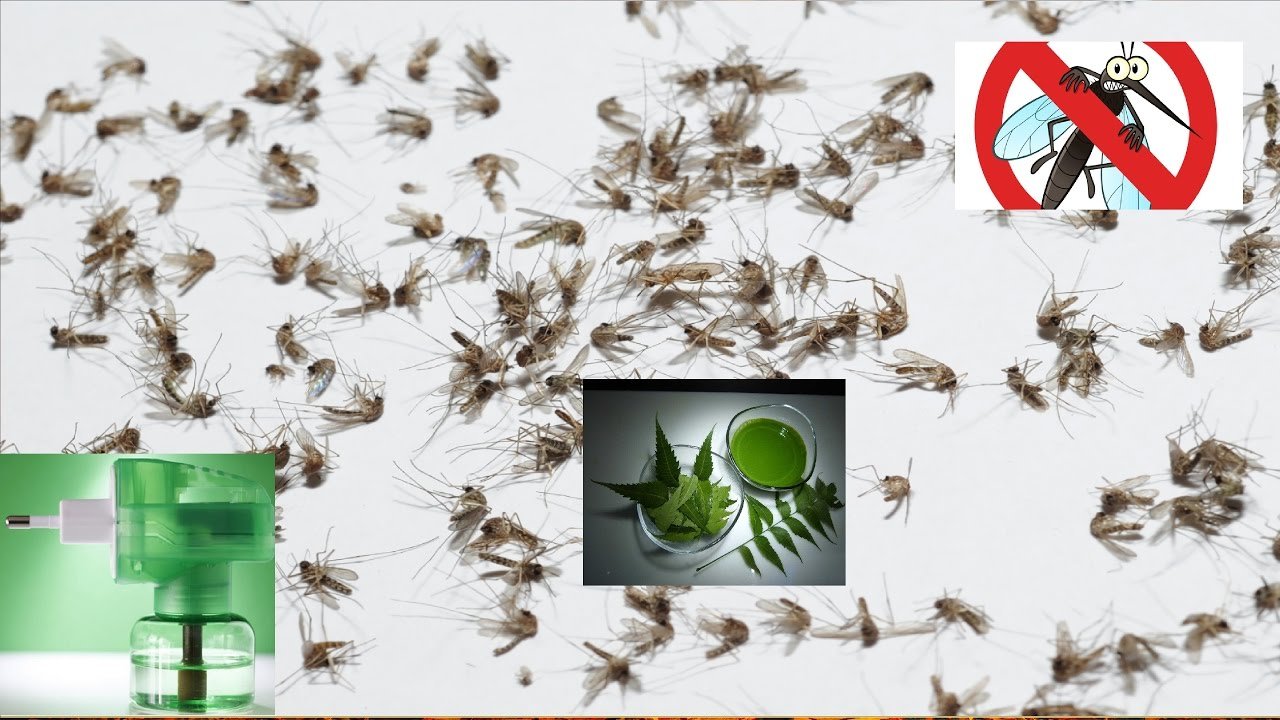
Comprehensive Guide to Natural Ways to Repel Mosquitoes from Your Backyard in 2025
Introduction
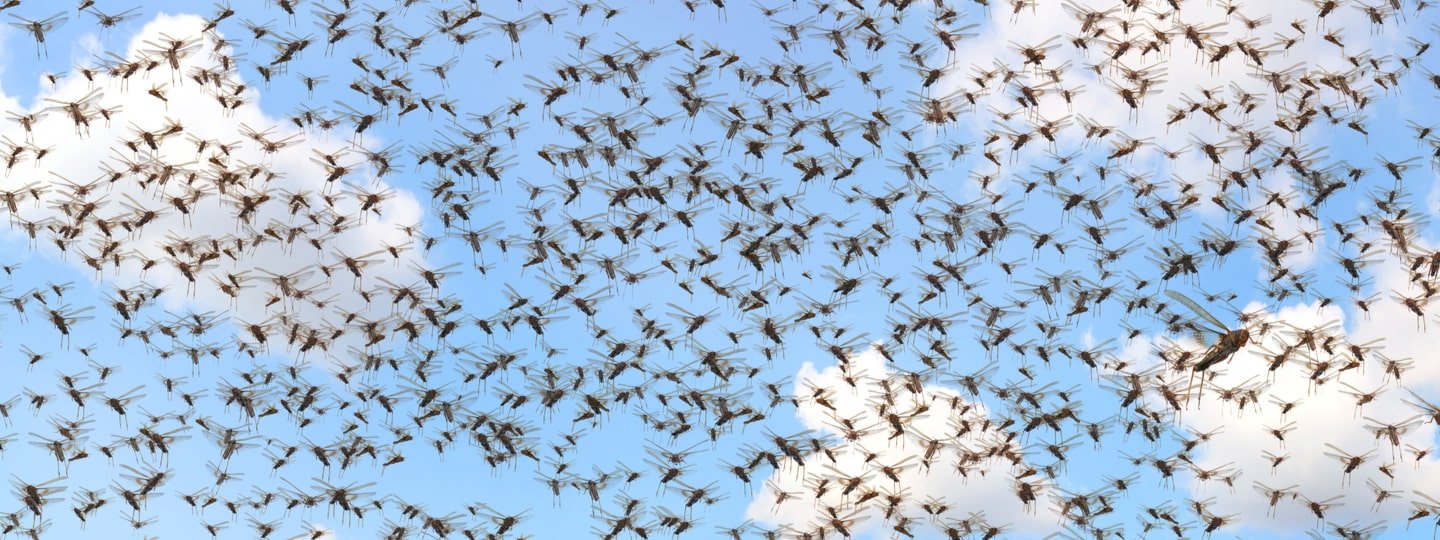
Mosquitoes are a persistent nuisance in backyards, disrupting outdoor activities and posing health risks due to their ability to transmit diseases. In 2025, with growing concerns about the environmental and health impacts of chemical pesticides, natural mosquito repellents are increasingly popular. This guide breaks down the problem of mosquito infestations in backyards, identifies common causes, outlines consequences of inaction, and provides actionable, eco-friendly solutions. Real-world examples, prevention tips, and clear next steps will empower clients to create mosquito-free, sustainable outdoor spaces.
Problem Breakdown: Mosquito Infestations in Backyards
The challenge of repelling mosquitoes naturally can be divided into smaller components:
-
Breeding Sites: Mosquitoes lay eggs in standing water, making backyards with poor drainage or neglected containers prime breeding grounds.
-
Attractants: Mosquitoes are drawn to human scents (e.g., carbon dioxide, sweat), as well as shaded, humid areas and certain plants.
-
Lack of Natural Repellents: Many backyards lack plants, barriers, or biological controls that naturally deter mosquitoes.
-
Environmental Conditions: Warm, humid climates and stagnant air increase mosquito activity, especially during dawn and dusk.
-
Health and Comfort: Mosquito bites cause discomfort and may transmit diseases like West Nile virus or Zika, particularly in warmer regions.
Common Causes of the Problem
Several factors contribute to mosquito infestations in backyards:
-
Standing Water: Birdbaths, clogged gutters, plant saucers, or poorly drained soil provide breeding sites where mosquitoes can lay hundreds of eggs.
-
Poor Yard Maintenance: Overgrown vegetation, leaf piles, or shaded areas create cool, humid resting spots for mosquitoes.
-
Lack of Repellent Plants: Backyards without mosquito-repelling plants (e.g., citronella, lavender) fail to deter mosquitoes naturally.
-
Absence of Predators: Few natural predators (e.g., bats, dragonflies, birds) due to lack of habitat or pesticide use reduces biological mosquito control.
-
Inadequate Airflow: Dense foliage or lack of fans allows stagnant air, creating ideal conditions for mosquito activity.
-
Human Behavior: Outdoor activities during peak mosquito hours (dawn/dusk) or wearing dark clothing attract mosquitoes.
Consequences of Not Addressing the Issue
Failing to control mosquitoes naturally can lead to significant issues:
-
Health Risks: Mosquitoes can transmit diseases like West Nile virus, Zika, or dengue, posing risks to family and pets, especially in warmer climates.
-
Reduced Outdoor Enjoyment: Persistent bites make backyards unusable for relaxation, barbecues, or gardening, diminishing quality of life.
-
Environmental Harm: Reliance on chemical pesticides harms pollinators (e.g., bees), birds, and soil health, disrupting ecosystems.
-
Increased Mosquito Populations: Unchecked breeding sites lead to exponential mosquito growth, worsening infestations over time.
-
Economic Costs: Repeated purchases of ineffective repellents or professional pest control services drain resources.
-
Community Impact: Mosquitoes don’t stay confined to one yard, potentially causing neighborhood-wide issues and strained relations.
Actionable Step-by-Step Solution
Follow these steps to naturally repel mosquitoes from your backyard in 2025, creating a safe and enjoyable outdoor space.
Step 1: Eliminate Breeding Sites
-
Action: Identify and remove standing water to prevent mosquito breeding:
-
Empty or refresh birdbaths, plant saucers, and pet water bowls every 2–3 days.
-
Clear clogged gutters and ensure proper drainage in low-lying areas.
-
Cover rain barrels with fine mesh or use mosquito dunks (Bacillus thuringiensis israelensis, a natural larvicide safe for wildlife).
-
Fill tree holes or puddles with sand or gravel to prevent water accumulation.
-
-
Tools/Resources:
-
Mosquito dunks: Available at hardware stores or online (e.g., Summit Mosquito Dunks).
-
Mesh screens: Purchase fine mesh from The Home Depot for covering containers.
-
Leveling tools: Use a rake or shovel to improve yard drainage.
-
-
Strategy: Inspect your yard after rain to catch new water sources. One teaspoon of standing water can produce hundreds of mosquitoes.
Step 2: Plant Mosquito-Repellent Vegetation
-
Action: Integrate plants that naturally repel mosquitoes due to their strong scents:
-
Citronella Grass (Cymbopogon nardus): Releases a lemony scent; plant in pots or borders.
-
Lavender (Lavandula angustifolia): Deters mosquitoes with its floral aroma; ideal for sunny areas.
-
Marigolds (Tagetes spp.): Emit a pungent odor; plant near seating areas.
-
Rosemary (Rosmarinus officinalis): Repels mosquitoes and thrives in dry conditions.
-
Catnip (Nepeta cataria): Contains nepetalactone, a natural repellent 10 times stronger than DEET.
-
-
Tools/Resources:
-
Native plant guides: Use the National Wildlife Federation’s Native Plant Finder to select local species.
-
Gardening supplies: Purchase plants, pots, and organic soil from local nurseries or Burpee.
-
-
Strategy: Place plants strategically near patios, entrances, and seating areas for maximum effect. Combine with ornamental grasses to reduce shaded, humid spots.
Step 3: Encourage Natural Predators
-
Action: Attract mosquito-eating wildlife to your backyard:
-
Install bat houses to attract bats, which can eat thousands of mosquitoes nightly.
-
Add a small pond or water feature to attract dragonflies and frogs, both mosquito predators.
-
Set up birdhouses or feeders for birds like purple martins or swallows, which consume flying insects.
-
Avoid pesticides to protect predator populations and their food sources.
-
-
Tools/Resources:
-
Bat houses: Purchase from Bat Conservation International or build using Audubon’s DIY plans.
-
Birdhouses: Use eco-friendly designs from NestWatch for swallows or martins.
-
Pond kits: Available at Lowe’s or Aquascape for small water features.
-
-
Strategy: Place bat houses 10–15 feet high in sunny areas and birdhouses in open spaces to maximize predator activity.
Step 4: Improve Airflow and Reduce Resting Sites
-
Action: Modify your yard to make it less hospitable to mosquitoes:
-
Trim overgrown shrubs, tall grass, and ivy to reduce shaded, humid resting spots.
-
Use outdoor fans (ceiling, pedestal, or portable) to create airflow, as mosquitoes are weak fliers.
-
Remove leaf piles and debris where mosquitoes hide during the day.
-
-
Tools/Resources:
-
Outdoor fans: Choose solar-powered models from Amazon or Big Ass Fans for eco-friendly options.
-
Pruning tools: Use Fiskars shears or loppers for trimming vegetation.
-
-
Strategy: Position fans near seating areas and run them during outdoor gatherings to disrupt mosquito flight patterns.
Step 5: Use Natural Repellents for Events
-
Action: Apply or deploy natural repellents during outdoor activities:
-
Burn citronella candles or torches (made with essential oils, not synthetic fragrances) around seating areas.
-
Use essential oil diffusers with blends of lemongrass, eucalyptus, or peppermint near gathering spots.
-
Apply natural repellents like Badger Anti-Bug Balm (containing citronella and rosemary) to exposed skin.
-
Set up mosquito-repellent coils made from natural ingredients (e.g., Murphy’s Naturals).
-
-
Tools/Resources:
-
Citronella products: Purchase from REI or local garden centers.
-
Essential oils: Source pure oils from doTERRA or Plant Therapy.
-
Diffusers: Use portable, battery-powered models from Amazon.
-
-
Strategy: Test repellents in small areas first to ensure no allergic reactions, and reapply every 2–3 hours during evening events.
Step 6: Monitor and Maintain
-
Action: Regularly assess and maintain your mosquito control measures:
-
Check for new standing water weekly, especially after rain.
-
Prune repellent plants to maintain health and potency.
-
Clean birdbaths and ponds to prevent algae, which can attract mosquitoes.
-
Monitor bat houses and birdhouses for occupancy and repair as needed.
-
Replenish citronella candles or essential oils before outdoor events.
-
-
Tools/Resources:
-
Gardening journal: Track maintenance tasks using apps like Gardenize.
-
Water test kits: Use API Pond Test Kits to monitor pond health.
-
-
Strategy: Set a monthly reminder to inspect your yard and update repellent strategies based on mosquito activity.
Real-World Example: Case Study
Scenario: In 2024, the Johnson family in Austin, Texas, struggled to enjoy their backyard due to heavy mosquito activity, especially during summer evenings. Chemical sprays were ineffective and harmed local pollinators.
Solution:
-
Breeding Site Removal: The family emptied plant saucers, added mosquito dunks to their birdbath, and fixed a clogged gutter, eliminating standing water.
-
Repellent Plants: They planted lavender and marigolds around their patio and citronella grass in pots near the dining area.
-
Predators: They installed a bat house on a 12-foot pole and a small pond with native water lilies, attracting dragonflies.
-
Airflow: They trimmed overgrown shrubs and added a solar-powered pedestal fan for gatherings.
-
Natural Repellents: For barbecues, they used citronella torches and applied Badger Anti-Bug Balm to guests’ skin.
-
Maintenance: They checked for standing water weekly and pruned plants monthly, ensuring consistent mosquito control.
Outcome: By mid-2024, mosquito activity dropped significantly, allowing the family to host evening gatherings without bites. The bat house attracted a small bat colony, and dragonflies patrolled the pond, naturally reducing mosquito numbers. The backyard became a haven for both the family and local wildlife.
Lesson: A combination of breeding site elimination, natural repellents, and predator encouragement created a sustainable, mosquito-free backyard.
Prevention Tips for Future Success
To maintain a mosquito-free backyard and prevent future infestations:
-
Conduct Regular Inspections: Check for standing water after every rain and during irrigation to catch breeding sites early.
-
Rotate Repellent Plants: Alternate plantings (e.g., add lemon balm or basil) to maintain repellent potency and biodiversity.
-
Support Predator Habitats: Maintain bat houses, birdhouses, and ponds year-round to ensure predators return annually.
-
Use Smart Timing: Schedule outdoor activities for mid-morning or early afternoon when mosquito activity is lower.
-
Wear Light Clothing: Choose light-colored, loose-fitting clothes to reduce mosquito attraction during outdoor time.
-
Collaborate with Neighbors: Encourage nearby households to eliminate standing water and plant repellents to reduce community-wide mosquito populations.
-
Stay Informed: Follow updates from the CDC or local extension services for mosquito control tips and disease alerts.
-
Integrate Technology: Use apps like iNaturalist to monitor predator species or Mosquito Alert to track local mosquito activity.
Next Steps and Call to Action
To create a mosquito-free backyard in 2025, take these immediate steps:
-
Inspect Your Yard: Walk your property to identify and eliminate standing water sources. Order mosquito dunks if needed.
-
Purchase Repellent Plants: Visit a local nursery or order lavender, citronella, and marigolds from Burpee to plant this week.
-
Attract Predators: Install a bat house or birdhouse using plans from Bat Conservation International or NestWatch.
-
Improve Airflow: Buy a solar-powered fan from Amazon and trim overgrown vegetation with pruning tools.
-
Prepare for Events: Stock up on citronella candles and natural repellent balms from REI for upcoming gatherings.
-
Join a Community: Engage with local gardening groups or citizen science projects like Mosquito Alert to stay motivated and informed.
Call to Action: Don’t let mosquitoes ruin your backyard enjoyment—start transforming your outdoor space today! A few simple, natural steps can create a safer, more inviting environment for you and your family. Visit your local nursery or Bat Conservation International now to get the tools and resources you need. Act immediately to reclaim your backyard from mosquitoes in 2025!