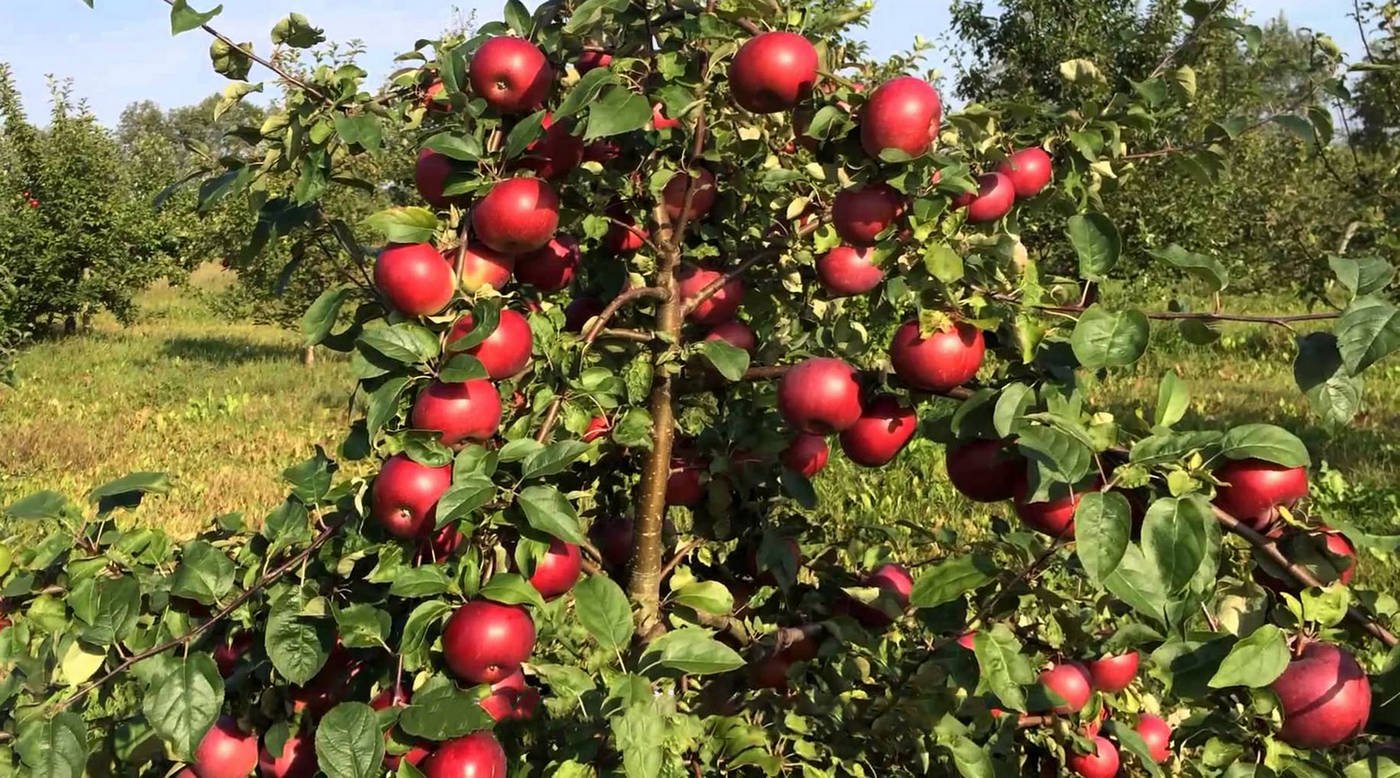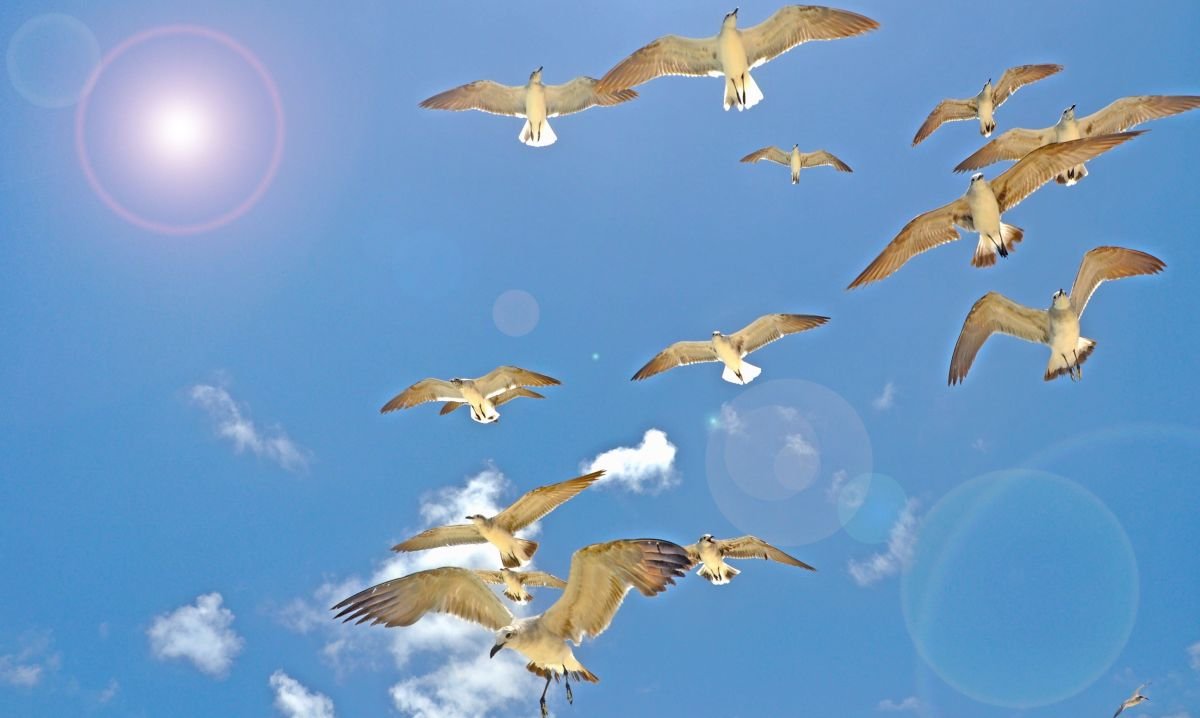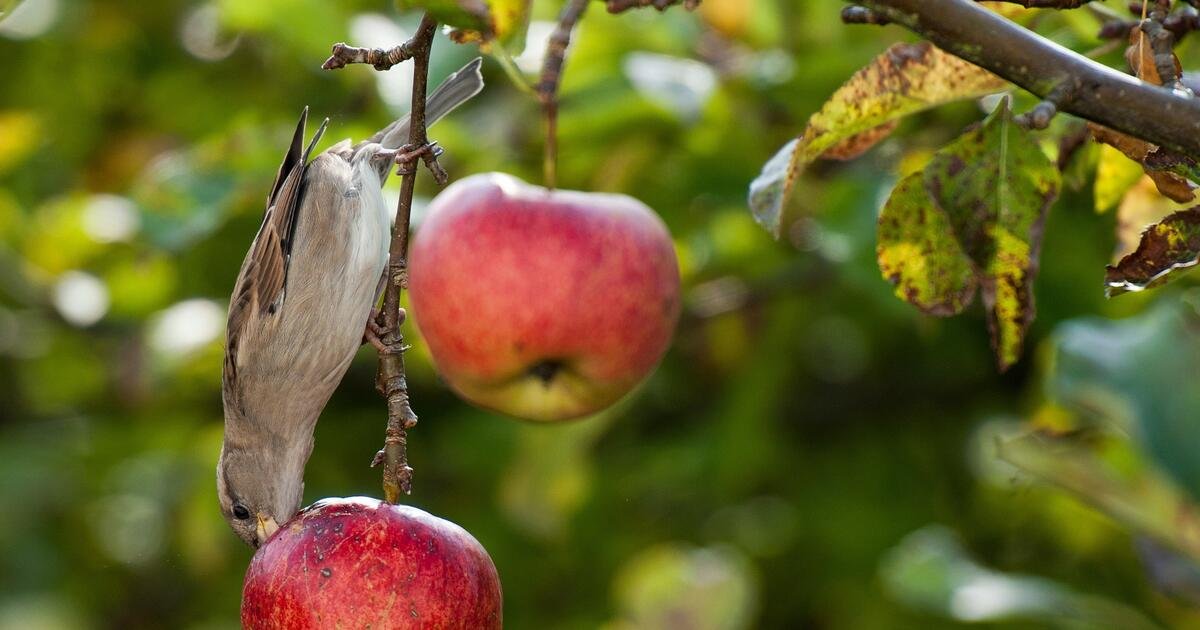
Birds eating apples can be a significant issue for orchard owners, gardeners, or anyone growing apple trees. This guide breaks down the problem, identifies why it happens, outlines the consequences of inaction, and provides a step-by-step solution to protect your apples. Comprehensive Guide to Protecting Apples from Birds Real-world examples and preventive strategies are included to ensure long-term success.
Understanding the Problem
Problem Breakdown:
- What’s Happening? Birds, such as crows, starlings, or sparrows, are pecking at or consuming apples on trees, leading to reduced yield and damaged fruit.
- Components of the Issue:
- Bird Attraction: Apples are a food source, especially when ripe or during seasons with scarce natural food.
- Access to Trees: Unprotected trees allow birds easy access to fruit.
- Damage Patterns: Birds may peck small holes, eat entire apples, or cause fruit to fall prematurely.
- Scale of Loss: Depending on bird population and tree exposure, losses can range from minor to significant.
Common Causes:
- High Bird Populations: Areas with abundant bird populations (e.g., near forests or urban roosts) increase the likelihood of attacks.
- Unprotected Trees: Lack of physical barriers, deterrents, or repellents makes apples an easy target.
- Seasonal Factors: Late summer or fall, when apples ripen, coincides with increased bird activity as they prepare for migration or winter.
- Environmental Cues: Brightly colored apples (red or yellow varieties) attract birds, especially in open, visible orchards.
- Lack of Alternative Food Sources: If natural food is scarce, birds are more likely to target crops.
Consequences of Not Addressing the Issue:
- Economic Loss: Reduced yield lowers revenue for commercial growers or increases costs for home gardeners replacing lost fruit.
- Fruit Quality Decline: Pecked apples are unsellable or unappealing, and damaged fruit may rot or attract pests.
- Tree Health Risks: Repeated bird damage can stress trees, and open wounds on fruit can invite fungal or bacterial infections.
- Ecosystem Imbalance: Over-reliance on harmful control methods (e.g., pesticides) can disrupt local wildlife and pollinators.
- Time and Resource Waste: Time spent replanting or replacing damaged fruit diverts resources from other tasks.
Step-by-Step Solution to Protect Apples from Birds
Here’s a practical, actionable plan to resolve the issue of birds eating apples:
Step 1: Assess the Situation
- Action: Observe and document the extent of the damage.
- Identify the bird species (e.g., crows, starlings, robins) by observing their size, color, or behavior.
- Note the time of day damage occurs (e.g., early morning or dusk) and which trees are most affected.
- Estimate the percentage of apples damaged or lost.
- Tools/Resources: Binoculars for bird identification, a notebook or app for tracking damage, and a local bird guide (e.g., Audubon Society resources).
- Why It Matters: Understanding the scope and specifics helps tailor the solution to your situation.
Step 2: Install Physical Barriers
- Action: Use netting to protect trees.
- Purchase bird netting (1/2-inch mesh) to cover individual trees or entire orchard sections.
- Secure netting over tree canopies using stakes, ties, or weights, ensuring no gaps for birds to enter.
- Check netting regularly for tears or trapped wildlife (release non-target animals like small mammals safely).
- Tools/Resources: Bird netting (available at garden centers or online retailers like Amazon), zip ties, and stakes. Budget: $20–$100 depending on orchard size.
- Why It Matters: Netting is the most effective physical barrier, preventing birds from accessing apples while allowing sunlight and air to reach the fruit.
Step 3: Deploy Visual and Auditory Deterrents
- Action: Use scare tactics to discourage birds.
- Install reflective tape or shiny objects (e.g., old CDs, aluminum foil strips) around trees to create flashes of light.
- Set up motion-activated sprinklers or noise devices (e.g., ultrasonic bird repellents or wind chimes).
- Place decoys like plastic owls or hawks, moving them every few days to prevent birds from adapting.
- Tools/Resources: Reflective tape ($10–$20), motion-activated sprinklers ($50–$100), or decoy predators ($15–$40) from hardware stores or online.
- Why It Matters: Deterrents exploit birds’ instincts to avoid perceived threats, reducing their presence without harm.
Step 4: Use Taste or Smell Repellents
- Action: Apply non-toxic bird repellents to apples.
- Spray apples with a methyl anthranilate-based repellent (e.g., Avian Control), which is safe for humans and makes fruit unpalatable to birds.
- Reapply after rain or every 7–10 days as per product instructions.
- Alternatively, hang sachets of strong-smelling substances (e.g., garlic or peppermint oil-soaked cloths) in trees.
- Tools/Resources: Commercial bird repellents ($30–$50 per gallon) or DIY solutions (garlic, essential oils).
- Why It Matters: Repellents deter birds without physical barriers, though they require consistent application.
Step 5: Provide Alternative Food Sources
- Action: Divert birds by offering alternative food.
- Set up bird feeders with seeds or suet at a distance from the orchard to draw birds away.
- Plant native berry-producing shrubs (e.g., elderberry) to provide natural food sources.
- Tools/Resources: Bird feeders ($10–$30), birdseed, and native plant guides from local nurseries.
- Why It Matters: Offering alternative food reduces birds’ reliance on apples, creating a win-win for wildlife and growers.
Step 6: Monitor and Maintain
- Action: Regularly check and adjust your strategies.
- Inspect netting, deterrents, and repellents weekly for wear or reduced effectiveness.
- Monitor bird activity to determine if new species or behaviors require additional measures.
- Adjust deterrent locations or types if birds adapt (e.g., switch from owl decoys to hawk decoys).
- Tools/Resources: A maintenance schedule (use a calendar app or notebook) and replacement supplies as needed.
- Why It Matters: Ongoing vigilance ensures long-term protection as bird behavior and environmental conditions change.
Real-World Examples
- Case Study: Small-Scale Orchard in Washington State
- Problem: A family-owned orchard lost 30% of its apple crop to starlings in 2023.
- Solution: The owners installed 1/2-inch bird netting over 10 trees and hung reflective tape. They also used a motion-activated sprinkler system.
- Outcome: Crop loss dropped to under 5% in 2024, saving approximately $2,000 in revenue. The netting was reusable, reducing future costs.
- Lesson: Combining physical barriers with deterrents is highly effective for small orchards.
- Case Study: Urban Garden in California
- Problem: A backyard gardener noticed robins pecking at her two apple trees, ruining most fruit.
- Solution: She applied a methyl anthranilate spray and hung garlic sachets. She also placed a bird feeder 50 feet away with sunflower seeds.
- Outcome: Damage reduced significantly, with only 2–3 apples affected per season. The feeder attracted birds away from the trees.
- Lesson: Repellents and diversion tactics work well for small-scale, budget-conscious settings.
Additional Tips for Prevention
- Plant Less Attractive Varieties: Choose apple varieties with green or less vibrant colors (e.g., Granny Smith), as birds are less drawn to them compared to red or yellow varieties.
- Prune Trees Strategically: Trim trees to reduce low-hanging branches, making it harder for birds to access fruit.
- Encourage Natural Predators: Install nesting boxes for hawks or owls, which deter smaller birds. Check local regulations for wildlife protection.
- Time Harvests Early: Pick apples slightly before peak ripeness to reduce their appeal to birds.
- Collaborate with Neighbors: Coordinate with nearby growers to implement consistent bird control, reducing regional bird pressure.
Next Steps and Call to Action
Don’t let birds rob you of your apple harvest! Take immediate action to protect your trees and secure your yield:
- Today: Assess the damage and identify the bird species affecting your apples.
- This Week: Purchase and install bird netting and at least one deterrent (e.g., reflective tape or a decoy).
- This Month: Implement repellents and alternative food sources, and set up a monitoring schedule.
- Ongoing: Maintain and adjust your strategies based on bird activity and seasonal changes.
Start now by visiting your local garden center or online retailer for supplies. For additional guidance, consult resources like the Audubon Society (audubon.org) or your local agricultural extension service. Act today to save your apples and ensure a bountiful harvest!