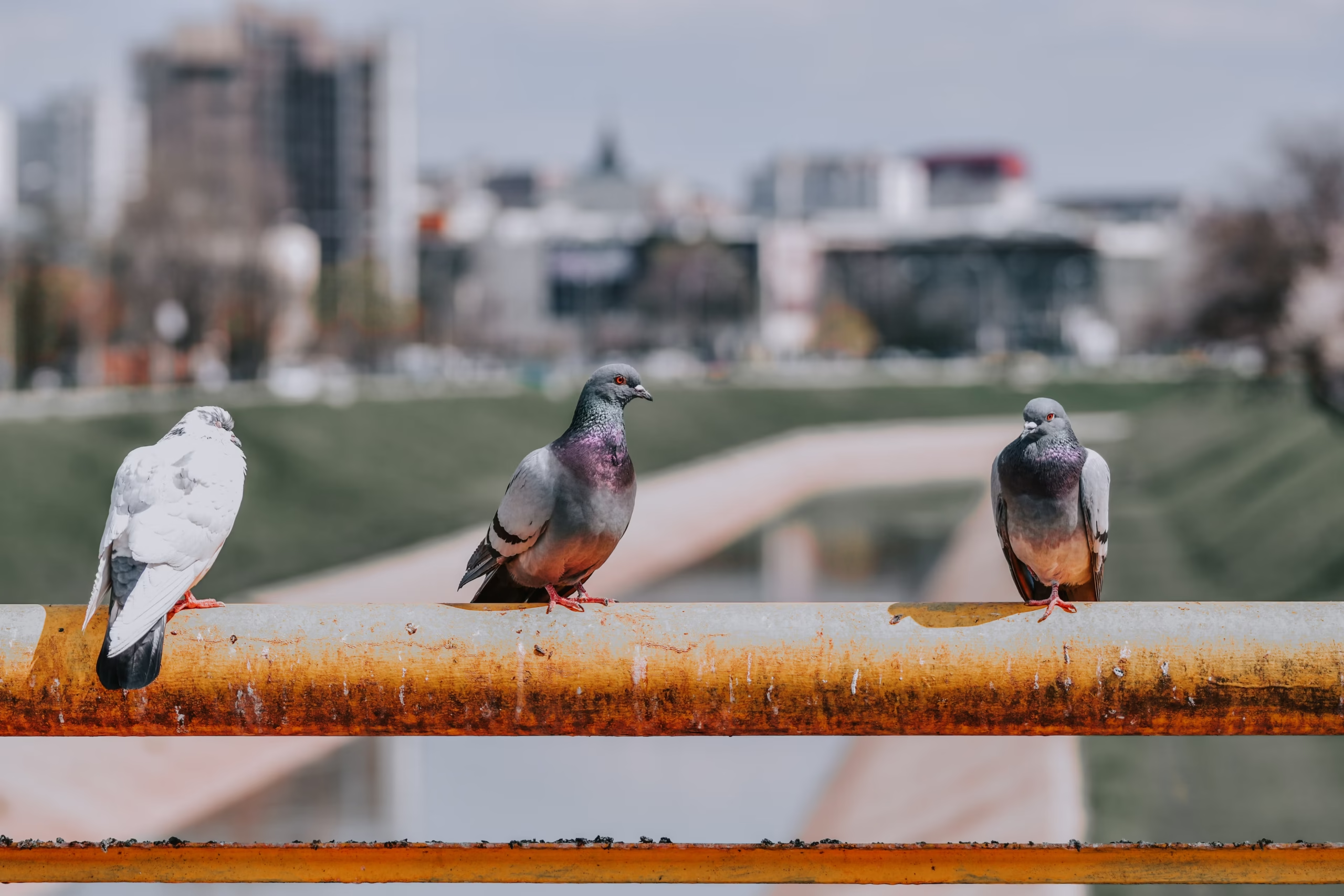
Comprehensive Guide to Resolving Pest Bird Issues
Pest birds, such as pigeons, starlings, or sparrows, can create significant problems for homeowners, businesses, and property managers. From health hazards to structural damage, addressing these issues promptly is critical. This guide breaks down the problem, identifies causes, outlines consequences, and provides actionable steps to resolve it, supported by real-world examples and prevention tips.
Breaking Down the Problem into Smaller Components

- Nuisance Behavior: Excessive noise (cooing, chirping), droppings, and nesting in unwanted areas.
- Health Risks: Bird droppings and feathers can harbor diseases like histoplasmosis, salmonellosis, and psittacosis.
- Property Damage: Droppings corrode building materials, nests clog gutters, and pecking damages roofs or signage.
- Safety Hazards: Slippery surfaces from droppings or aggressive birds defending nests.
Common Causes
- Food Availability: Open trash, pet food, or spilled grain attracts birds.
- Shelter Opportunities: Ledges, eaves, and trees provide ideal roosting or nesting spots.
- Lack of Deterrents: Absence of physical or auditory barriers allows birds to settle.
- Urban Adaptation: Species like pigeons thrive in human environments due to abundant resources.
Consequences of Not Addressing the Issue
- Escalating Costs: Minor damage (e.g., stained siding) can become major (e.g., roof replacement) if ignored.
- Health Outbreaks: Accumulated droppings increase disease risk for residents or employees.
- Reputation Damage: For businesses, bird infestations can deter customers (e.g., a café with droppings on outdoor seating).
- Legal Issues: In some regions, neglecting pest control violates health or property codes.
Actionable Step-by-Step Resolution Plan
Step 1: Assess the Scope
- Action: Inspect your property for signs of bird activity—droppings, nests, feathers, or frequent sightings.
- Tools/Resources: Binoculars (to spot high nests), a notepad to document problem areas.
- Example: A warehouse manager notices pigeons roosting in rafters and droppings near loading docks.
Step 2: Remove Attractants
- Action: Secure trash bins with lids, clean up food spills, and remove standing water.
- Strategies: Use motion-activated sprinklers to deter birds from landing.
- Case Study: A restaurant in Chicago reduced pigeon presence by 80% after switching to sealed bins and daily patio sweeps.
Step 3: Install Physical Deterrents
- Action: Add bird spikes, netting, or sloped sheathing to ledges, roofs, and eaves.
- Tools/Resources: Bird spikes (available at hardware stores), professional pest control services for netting.
- Tip: Ensure spikes are stainless steel for durability.
Step 4: Use Auditory or Visual Repellents
- Action: Deploy ultrasonic devices, reflective tape, or predator decoys (e.g., owl statues).
- Resources: Purchase from garden centers or online retailers like Amazon.
- Example: A homeowner in London used reflective tape on her balcony, cutting sparrow visits in half within a week.
Step 5: Clean and Repair
- Action: Safely remove nests and droppings, then disinfect affected areas. Repair damaged structures.
- Tools/Resources: Protective gear (gloves, masks), pressure washer, disinfectant (e.g., bleach solution).
- Caution: Avoid inhaling dust from dried droppings—wear a mask rated for biohazards.
Step 6: Monitor and Adjust
- Action: Regularly check for new activity and tweak deterrents as needed (e.g., move decoys periodically).
- Strategies: Set a bi-weekly inspection schedule.
- Case Study: A mall in Florida maintained a bird-free parking lot by rotating sonic devices monthly.
Real-World Example
In 2019, a New York City office building faced a pigeon problem on its rooftop HVAC units. Droppings damaged equipment, costing $15,000 in repairs. Management installed netting around the units and spikes on nearby ledges while removing food waste from a nearby alley. Within two months, pigeon activity dropped by 95%, and repair costs ceased. Annual maintenance now keeps the issue at bay.
Prevention Tips for the Future
- Routine Maintenance: Trim trees near buildings to limit roosting spots.
- Education: Train staff or family to report bird activity early.
- Proactive Upgrades: Install wire mesh over vents or gaps during renovations.
- Seasonal Checks: Inspect after migratory seasons (spring/fall) when bird activity spikes.
Next Steps and Call to Action
- Start today by walking your property and noting bird activity.
- Pick one immediate action—like securing trash or buying spikes—and implement it this week.
- If the problem persists, consult a local pest control expert for tailored solutions.