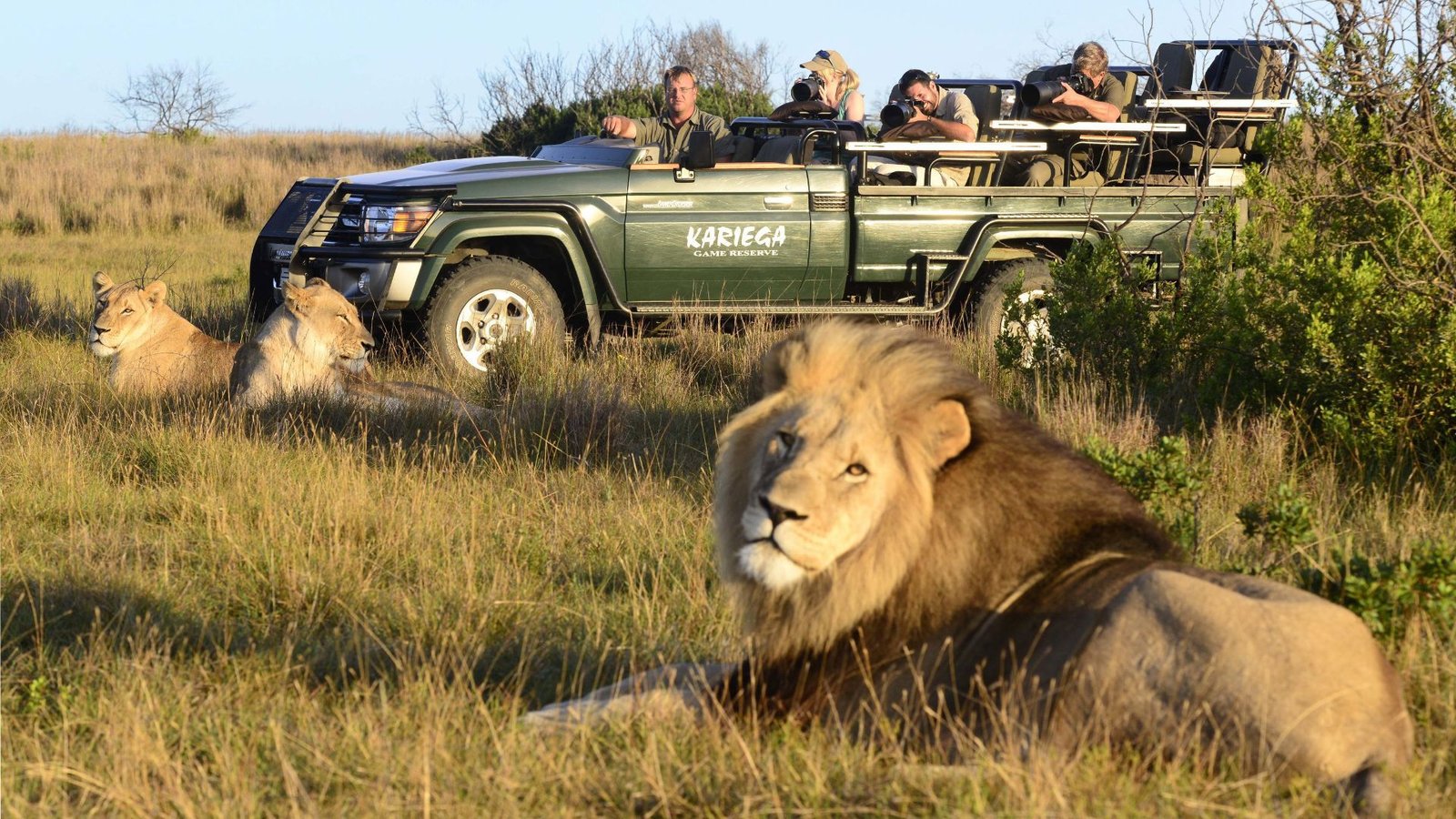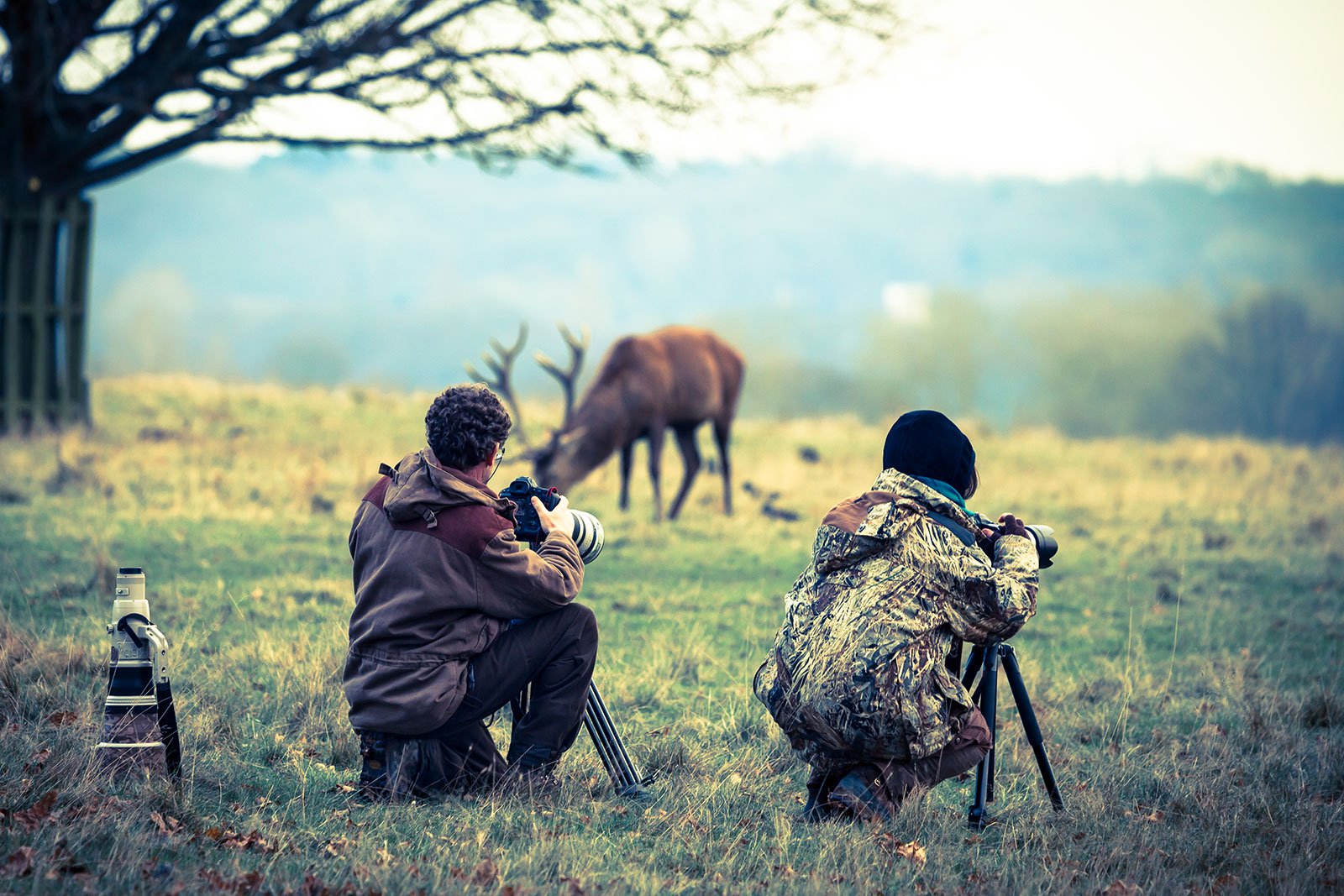
Overview
As more businesses seek environmentally responsible ways to engage clients, employees, or customers, eco-friendly wildlife photography tours have emerged as a popular offering. However, challenges often arise in making these tours genuinely sustainable, commercially viable, and ethically sound.
This guide breaks down the key challenges, identifies root causes, and provides actionable solutions. Whether you’re a travel operator, corporate event planner, or sustainability lead, this will help you design and implement successful, eco-friendly wildlife photography experiences.
Breaking Down the Problem
1. Lack of Sustainability Standards
-
Problem: Tours may claim to be “eco-friendly” but lack clear sustainability benchmarks.
-
Cause: Misunderstanding or misuse of sustainability terms.
-
Consequence: Damages brand credibility and harms the environment.
2. Wildlife Disruption
-
Problem: Wildlife is disturbed or stressed by human presence or photography equipment.
-
Cause: Poor training, improper use of drones, getting too close to animals.
-
Consequence: Animal stress, migration disruption, and legal issues.
3. Carbon Footprint from Transportation
-
Problem: High emissions from flights, vans, or boats.
-
Cause: Long-distance travel and non-eco-friendly transportation options.
-
Consequence: Undermines the eco-friendly mission.
4. Lack of Local Community Involvement
-
Problem: Tours do not benefit local communities.
-
Cause: Externally-run operations ignoring local stakeholders.
-
Consequence: Social backlash, reputational damage, lost business opportunity.
5. Misalignment with Business Objectives
-
Problem: Tours don’t align with company CSR goals or team-building needs.
-
Cause: Poor planning or lack of integration with business strategy.
-
Consequence: Wasted budget, missed branding opportunities.
Step-by-Step Solution
✅ Step 1: Define Eco-Friendly Goals Clearly
-
Align with the UN Sustainable Development Goals (SDGs).
-
Define metrics: carbon reduction targets, biodiversity impact, local economic benefit.
-
Use standards like GSTC (Global Sustainable Tourism Council).
✅ Step 2: Partner with Ethical Tour Operators
-
Vet providers based on:
-
Environmental policies
-
Guide training
-
Wildlife ethics compliance (e.g., no baiting or disturbing animals)
-
-
Look for certifications: Travelife, Green Globe, or EcoTourism Australia.
Tool: Use directories like Responsible Travel to find vetted partners.
✅ Step 3: Incorporate Low-Impact Practices
-
Limit group sizes.
-
Use electric vehicles or solar-powered boats where possible.
-
Avoid flash photography or drone usage near nesting grounds.
Case Study: National Geographic Expeditions runs small-group tours with local naturalists, solar-powered boats, and minimal environmental disruption.
✅ Step 4: Offset Carbon Emissions
-
Calculate trip emissions using tools like:
-
CarbonFootprint.com
-
Sustainable Travel International
-
-
Offset through reforestation or wildlife conservation projects.
✅ Step 5: Engage Local Communities
-
Hire local guides and photographers.
-
Partner with local conservation NGOs.
-
Include cultural education or local artisan markets in the itinerary.
Example: Lewa Wildlife Conservancy in Kenya employs local community guides and uses tour profits to fund schools and clinics.
✅ Step 6: Educate Participants
-
Pre-trip briefings on ethical photography and environmental etiquette.
-
Provide wildlife ID guides and photography checklists.
-
Emphasize “leave no trace” principles.
Strategy Tip: Create a mini online course or webinar for participants before the tour.
✅ Step 7: Document and Share Responsibly
-
Set content guidelines for participants:
-
No selfies with animals.
-
No geo-tagging of sensitive locations.
-
-
Use content for branded sustainability campaigns.
✅ Step 8: Measure, Review, and Improve
-
Collect post-tour feedback from guests, guides, and local partners.
-
Evaluate sustainability impact annually.
-
Publish results in CSR or sustainability reports.
Tools & Resources
| Category | Resource/Tool | Purpose |
|---|---|---|
| Tour Operator Vetting | ResponsibleTravel.com | Find certified eco-tour operators |
| Carbon Tracking | Sustainable Travel International | Emissions calculators & offset options |
| Sustainability Metrics | Global Sustainable Tourism Council (GSTC) | Set standards and assess compliance |
| Education & Training | Leave No Trace Center | Environmental awareness materials |
| Wildlife Ethics | Born Free Foundation, WWF Guidelines | Best practices for animal-friendly tourism |
Additional Tips for Prevention
-
Review and renew certifications yearly.
-
Schedule tours in off-peak seasons to reduce environmental load.
-
Create internal sustainability champions to guide business decisions.
-
Avoid greenwashing—be transparent and authentic.
Next Steps & Call to Action
-
Audit your current or planned wildlife photography tour offerings.
-
Schedule a meeting with sustainability and HR teams to align goals.
-
Reach out to certified eco-tour operators and request proposals.
-
Design a pilot tour with a strong focus on ethics and education.
-
Report results and share stories with stakeholders to build momentum.
🌱 Take Action Today
Don’t let your eco-tourism efforts fall short. Begin by evaluating one upcoming business event or retreat and pivot it toward a wildlife experience that makes a difference. Your brand, your team, and the planet will all benefit.