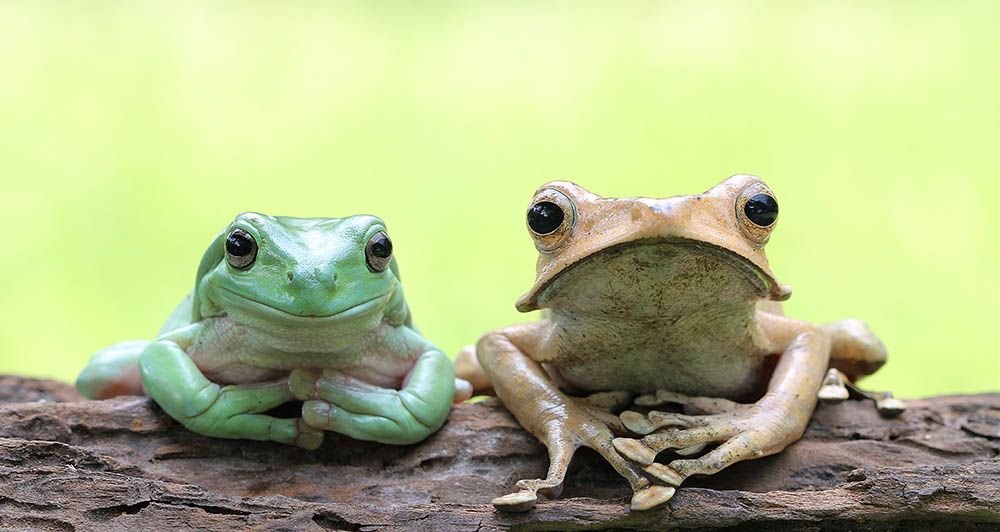
Certainly! Here’s a comprehensive, solution-based guide titled “Feeding Guide for Pet Frogs and Salamanders: A Practical Approach to Healthy Amphibians” that breaks down feeding issues, identifies causes, and provides actionable steps with real-world insights and tip Feeding Guide for Pet Frogs and Salamanders
🧩 Problem Breakdown: Why Feeding Amphibians Goes Wrong
Feeding frogs and salamanders seems simple, but owners often face challenges due to misunderstandings about their dietary needs, feeding behaviors, and habitat conditions.
Key Problem Components:
- Incorrect Diet – Providing the wrong food types or sizes.
- Feeding Frequency Errors – Overfeeding or underfeeding.
- Poor Gut-Loading/Insect Care – Unnutritious feeder insects.
- Inadequate Supplementation – Missing calcium or vitamins.
- Unsuitable Feeding Environment – Stress or improper lighting/temperature.
- Lack of Observation – Missing signs of anorexia or illness.
🕵️♂️ Common Causes & Consequences
🔍 Common Causes:
- Misinformation or assumptions about “generic” amphibian diets.
- Purchasing inappropriate prey size (e.g., large crickets for small tree frogs).
- Not dusting insects with calcium or vitamins.
- Keeping amphibians in temperatures too low for active feeding.
- Neglecting to gut-load insects before feeding.
⚠️ Consequences of Ignoring the Issue:
- Nutritional deficiencies (e.g., metabolic bone disease).
- Reduced activity, weight loss, and poor skin shedding.
- Stress or aggression in communal enclosures.
- Premature death or chronic illness.
✅ Actionable Step-by-Step Solution
Step 1: Know Your Species’ Needs
Different species = different diets.
| Amphibian | Common Diet | Notes |
|---|---|---|
| Tree Frogs | Crickets, roaches, worms | Prefer live, moving prey |
| Salamanders | Earthworms, slugs, small insects | Many are nocturnal feeders |
| Dart Frogs | Fruit flies, springtails | Require very small prey |
📚 Tool: Use care sheets from trusted sources like Josh’s Frogs, AmphibiaWeb, or Exo Terra.
Step 2: Choose Appropriate Prey
- Use prey no larger than the space between their eyes.
- Provide a variety (crickets, roaches, flies, worms, etc.) to ensure nutritional balance.
💡 Real-World Example: A client with a White’s Tree Frog saw weight gain and more vibrant skin color after switching from only crickets to a varied diet including roaches and silkworms.
Step 3: Gut-Load & Supplement
- Gut-loading = feed prey nutrient-rich foods (leafy greens, grains) 24 hours before feeding.
- Dust with calcium (daily) and multivitamins (1–2x weekly).
🛠️ Tools Needed:
- Gut-load powder or DIY mix (carrots, sweet potatoes, grains)
- Calcium & vitamin D3 supplement powders (Rep-Cal, Zoo Med)
Step 4: Set the Scene for Feeding
Amphibians are picky about environment.
- Feed in low light or at night for nocturnal species.
- Maintain proper temperature (70–85°F depending on species).
- Use feeding tongs for precision and reduce escapees.
🧪 Use a thermometer/hygrometer to monitor tank.
Step 5: Observe and Adjust
- Watch your pet eat — not just to ensure intake, but to assess preference.
- Track frequency:
- Juveniles: Daily feeding
- Adults: 2–3 times/week
📓 Tip: Keep a feeding log with prey type, amount, and response.
🔁 Real-World Case Study: Resolving Feeding Issues
Case: A client’s Fire Belly Newt stopped eating for over a week.
Diagnosis:
- Prey too large (full-grown crickets).
- Tank temp dropped to 65°F.
- No vitamin supplementation.
Resolution:
- Switched to chopped earthworms and smaller prey.
- Increased temp to 72°F.
- Introduced weekly calcium dusting.
Outcome: Appetite restored in 48 hours, weight stabilized over 2 weeks.
🔐 Preventing Future Feeding Issues
Proactive Tips:
- Rotate feeder species every 1–2 weeks.
- Maintain live insect colonies or use reputable suppliers.
- Do seasonal health checks to adjust diet as metabolism shifts.
- Join amphibian care forums or local herpetology groups for peer support.
🚀 Next Steps: Take Action Today
- ✅ Identify your amphibian’s specific dietary needs using a care guide.
- 🛒 Buy appropriate feeders and supplements (gut-load and dusting powders).
- 📅 Create a feeding schedule and observation log.
- 🌡️ Verify habitat conditions and correct them if needed.
- 🔁 Monitor feeding behavior weekly and make adjustments.
📣 Call to Action:
Your amphibian’s health starts with what’s in its bowl (or on its tongs!). Don’t wait for signs of stress or sickness — start feeding smarter today. Download our Free Amphibian Feeding Log Template or contact a herp specialist for a tailored diet plan.
Would you like a printable version of this guide or the feeding log template to go with it?