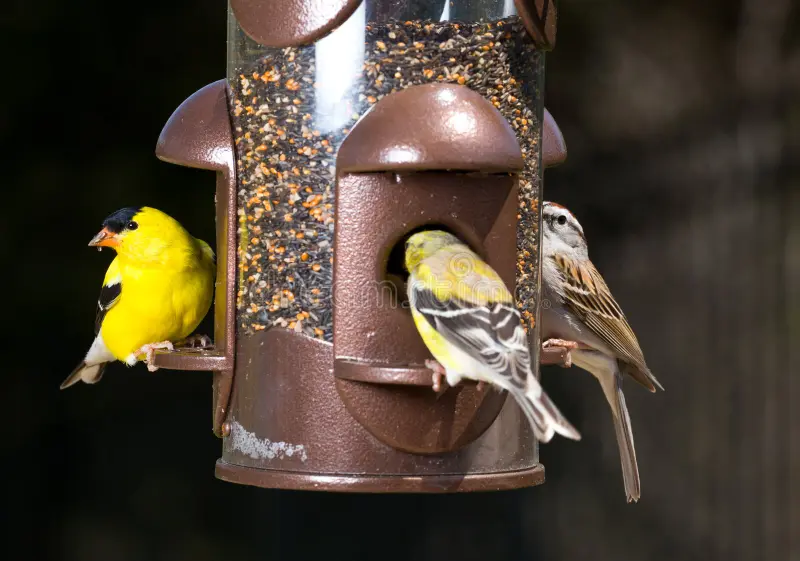
Certainly! Here is a comprehensive, solution-based guide to help clients feed wild birds safely in the U.S., broken down into manageable components with clear, practical steps, real-life examples, and future prevention tips
✅ Overview
Feeding wild birds is a rewarding and beneficial activity for both humans and birds. However, when done improperly, it can lead to disease outbreaks, ecological imbalances, and harm to birds and other wildlife. This guide helps you break down the problem and implement safe, responsible bird feeding practices.
🔍 Understanding the Problem
❗ Common Issues and Causes
- Dirty or poorly maintained feeders
→ Lead to mold growth and disease transmission. - Overcrowded feeding areas
→ Encourage aggressive behavior, increase disease risk. - Use of inappropriate food
→ Bread, spoiled seeds, or salty foods are harmful. - Feeding in the wrong locations
→ Attracts predators, rodents, or places birds in danger. - Unintended consequences
→ Can habituate birds to humans or cause migration disruptions.
⚠️ Risks of Not Addressing the Issue
- Disease outbreaks: Salmonellosis and avian pox are commonly spread at unsanitary feeders.
- Increased predator activity: Rodents, cats, and even hawks may frequent areas with bird feeders.
- Ecological disruption: Overfeeding or feeding out-of-season can alter natural behaviors.
- Legal issues: In some areas, feeding wildlife is restricted or regulated.
✅ Safe Bird Feeding: A Step-by-Step Solution
🧼 Step 1: Choose the Right Feeder & Maintain Cleanliness
Tools: Tube feeders, hopper feeders, suet cages
- Clean feeders at least once every two weeks with a 1:10 bleach-to-water solution.
- Rinse thoroughly and allow to dry completely.
- Remove old seeds and droppings regularly from the area around feeders.
Example: During a 2021 salmonella outbreak, wildlife agencies in California advised removing feeders temporarily and cleaning them more frequently to stop the spread.
🌾 Step 2: Offer Proper Food
| Bird Type | Preferred Food |
|---|---|
| Finches | Nyjer (thistle), sunflower chips |
| Cardinals | Safflower seeds, sunflower seeds |
| Woodpeckers | Suet, peanuts, sunflower seeds |
| Hummingbirds | 4:1 sugar-water solution (no red dye) |
- Avoid: Bread, crackers, moldy food, or salty snacks.
Tip: Buy seed from reputable sources to avoid contaminants and pesticide-treated seeds.
🏡 Step 3: Choose a Safe Feeding Location
- Keep feeders at least 10 feet away from shrubs or dense cover where predators can hide.
- Install baffles or guards to prevent access by squirrels or rodents.
- Position feeders within 3 feet or more than 10 feet from windows to prevent bird collisions.
🚫 Step 4: Know When Not to Feed
- Pause feeding during disease outbreaks (check local wildlife agency alerts).
- Avoid feeding in spring and summer in areas where birds have sufficient natural food.
Case Study: In 2022, the Audubon Society recommended halting feeding during outbreaks of Highly Pathogenic Avian Influenza (HPAI) in wild birds in the Midwest.
📱 Step 5: Stay Informed & Use Available Resources
- Sign up for updates from local wildlife centers (e.g., Audubon, Cornell Lab of Ornithology).
- Use citizen science platforms like Project FeederWatch or eBird to track bird activity.
- Keep an eye on your feeders. If birds look sick (fluffed feathers, lethargy), remove the feeder immediately.
🔄 Prevention & Long-Term Best Practices
- Rotate feeding locations to reduce build-up of waste or pathogens.
- Plant native trees, shrubs, and flowers to provide natural food and shelter.
- Avoid overfeeding—use only the amount birds will consume in a day or two.
- Limit feeder use in warmer months when natural food is abundant.
📢 Next Steps & Call to Action
- Audit your current setup: Evaluate your feeder type, location, and food.
- Clean your feeders today: Start a regular cleaning schedule.
- Replace bad seed: Check expiration dates and remove moldy or wet feed.
- Sign up for local alerts: Follow local wildlife or birding organizations.
- Share the knowledge: Educate neighbors and fellow birders.
Feeding wild birds is not just a hobby—it’s a responsibility. When done safely, it supports local ecosystems and brings joy to your backyard.
🧰 Helpful Resources
- Cornell Lab of Ornithology – Bird Feeding Basics
- Audubon – Guide to Bird Feeding
- Project FeederWatch
- eBird
Would you like this guide turned into a printable checklist or PDF for client distribution?