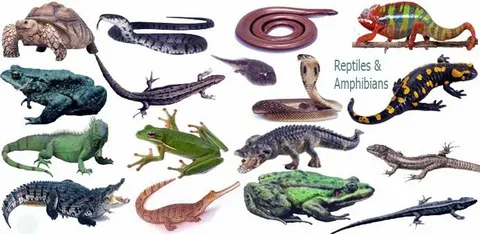
Reptiles and amphibians are masters of adaptation, thriving in some of the most diverse and challenging environments on Earth. From scorching deserts and dense rainforests to icy tundras and freshwater ecosystems, these cold-blooded vertebrates have evolved remarkable strategies to survive and flourish. But how exactly do reptiles and amphibians adapt to their environments? Let’s explore the fascinating ways they have tailored their biology, behavior, and physiology to meet the demands of their habitats.
Reptiles: Survival in Arid and Varied Landscapes
Reptiles are well-known for their ability to thrive in harsh, dry environments. Their adaptations are a testament to their resilience and versatility.
Scaly Skin: Preventing Water Loss
- Reptiles have dry, scaly skin made of keratin, which acts as a barrier to prevent water loss. This adaptation is crucial for survival in arid environments like deserts.
- Some reptiles, such as snakes, shed their skin periodically to remove parasites and promote growth.
Efficient Kidneys: Conserving Water
- Reptiles have highly efficient kidneys that concentrate urine, minimizing water loss. This allows them to survive in environments where water is scarce.
Behavioral Thermoregulation: Basking and Burrowing
- Reptiles are ectothermic, meaning they rely on external heat sources to regulate their body temperature. They bask in the sun to warm up and seek shade or burrow underground to cool down.
- For example, desert-dwelling lizards like the Gila monster are active during cooler parts of the day to avoid extreme heat.
Camouflage and Defense Mechanisms
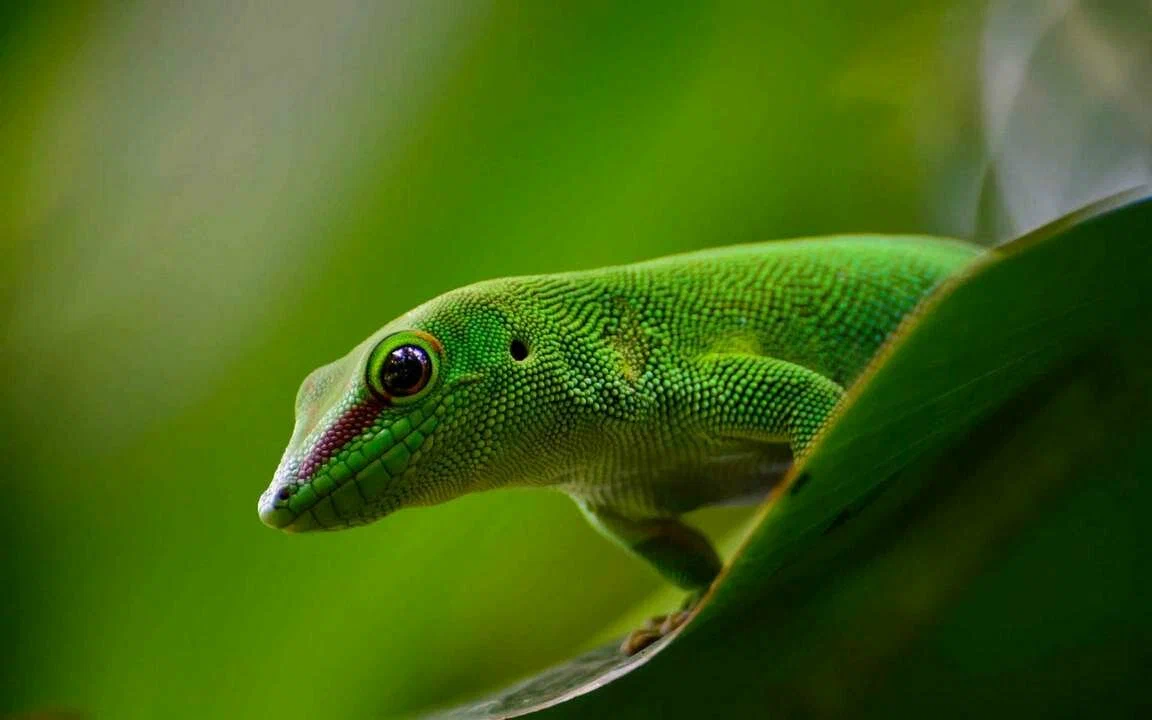
- Many reptiles, such as chameleons and geckos, can change color to blend into their surroundings, avoiding predators or ambushing prey.
- Others, like turtles and armadillo lizards, have hard shells or armor for protection.
Amphibians: Thriving in Moist and Aquatic Habitats
Amphibians are closely tied to water, but they have also adapted to a variety of environments, from rainforests to temperate zones. Their adaptations reflect their dual life in water and on land.
Permeable Skin: Breathing and Hydration
- Amphibians have smooth, moist skin that allows them to absorb water and oxygen directly from their environment. This adaptation is essential for their survival, especially in aquatic or humid habitats.
- However, their permeable skin makes them vulnerable to dehydration, so they are often found near water sources.
Metamorphosis: Transitioning Between Life Stages
- Amphibians undergo metamorphosis, transitioning from aquatic larvae (e.g., tadpoles) to terrestrial or semi-aquatic adults. This allows them to exploit different ecological niches during their life cycle.
- For example, frogs lay their eggs in water, where the tadpoles develop before moving onto land as adults.
Toxic Secretions: Chemical Defense
- Many amphibians, such as poison dart frogs and salamanders, secrete toxins through their skin to deter predators. These toxins can range from mildly irritating to deadly.
- Brightly colored skin often serves as a warning to predators, a phenomenon known as aposematism.
Hibernation and Estivation: Surviving Extreme Conditions
- In cold climates, amphibians like frogs and salamanders hibernate during winter, burying themselves in mud or leaf litter to avoid freezing temperatures.
- In hot, dry climates, some amphibians estivate, entering a state of dormancy to conserve water and energy until conditions improve.
Shared Adaptations: Overcoming Environmental Challenges
Despite their differences, reptiles and amphibians share some common adaptations that help them survive in challenging environments.
Ectothermy: Energy Efficiency
- Both reptiles and amphibians are ectothermic, meaning they rely on external heat sources to regulate their body temperature. This allows them to survive on less food than warm-blooded animals, making them highly efficient in resource-scarce environments.
Camouflage: Blending In
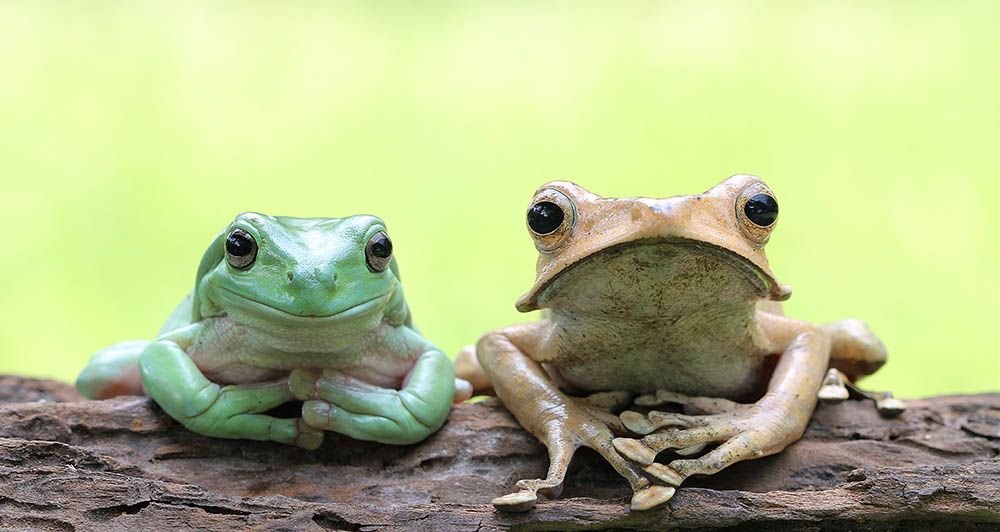
- Both groups use camouflage to avoid predators and ambush prey. For example, the green coloration of tree frogs helps them blend into foliage, while the patterned scales of snakes make them nearly invisible in their natural habitats.
Reproductive Strategies: Ensuring Survival
- Reptiles and amphibians have evolved diverse reproductive strategies to ensure the survival of their offspring. Reptiles often lay eggs with tough shells or give birth to live young, while amphibians typically lay soft, jelly-like eggs in water.
Unique Adaptations: Specialized Survival Tactics
Some reptiles and amphibians have developed highly specialized adaptations to thrive in their specific environments.
Reptiles:
- Marine Iguanas: Found in the Galápagos Islands, these iguanas forage underwater for algae, adapting to a marine lifestyle.
- Chameleons: Their ability to change color helps them communicate, regulate temperature, and avoid predators.
Amphibians:
- Wood Frogs: These frogs can survive freezing temperatures by producing a natural antifreeze that prevents ice from forming in their cells.
- Flying Frogs: Found in Southeast Asia, these frogs have webbed feet that allow them to glide between trees in rainforests.
Human Impact and Conservation
While reptiles and amphibians are highly adaptable, they face significant threats from habitat destruction, climate change, and pollution. Protecting their habitats and understanding their adaptations is crucial for their survival.
- Habitat Preservation: Conserving wetlands, forests, and deserts ensures that reptiles and amphibians have the resources they need to thrive.
- Climate Change Mitigation: Addressing climate change is essential, as rising temperatures and altered rainfall patterns can disrupt their life cycles and habitats.
Conclusion
Reptiles and amphibians are extraordinary examples of adaptation, showcasing the incredible diversity of life on Earth. From the scaly skin of desert-dwelling lizards to the permeable skin of rainforest frogs, these animals have evolved unique strategies to survive and thrive in their environments. By understanding and appreciating their adaptations, we can better protect these remarkable creatures and the ecosystems they inhabit. Whether it’s a chameleon blending into its surroundings or a wood frog surviving freezing temperatures, the world of reptiles and amphibians is a testament to the power of evolution and resilience.