The natural world is a dynamic and often challenging place, yet wild animals have evolved incredible adaptations to survive and thrive in their environments. From the freezing Arctic tundra to the scorching deserts, every habitat presents unique challenges, and animals have developed remarkable strategies to overcome them. But how exactly do wild animals adapt to their environments? Let’s explore the fascinating ways they have evolved to meet the demands of their surroundings.
Physical Adaptations: Built for Survival
Physical adaptations are changes in an animal’s body structure that help it survive in its environment.
- Camouflage: Many animals, like chameleons and Arctic foxes, have evolved colors and patterns that blend into their surroundings, helping them avoid predators or ambush prey.
- Body Shape and Size: Animals in cold climates, such as polar bears, have thick layers of fat and dense fur to retain heat. In contrast, animals in hot climates, like fennec foxes, have large ears to dissipate heat.
- Specialized Limbs: Birds like eagles have sharp talons for catching prey, while aquatic animals like penguins have flippers for efficient swimming.
Behavioral Adaptations: Smart Strategies
Behavioral adaptations are actions or habits that help animals survive and reproduce.
- Migration: Many species, such as monarch butterflies and wildebeests, migrate seasonally to find food, escape harsh weather, or breed in favorable conditions.
- Hibernation and Estivation: Animals like bears and ground squirrels hibernate during winter to conserve energy, while others, like desert tortoises, estivate during hot, dry periods.
- Social Behavior: Animals like wolves and meerkats live in groups to improve hunting efficiency, protect against predators, and care for their young.
Physiological Adaptations: Internal Adjustments
Physiological adaptations are internal processes that help animals survive in their environments.
- Thermoregulation: Animals like camels can regulate their body temperature to survive extreme heat, while others, like Arctic fish, produce antifreeze proteins to prevent freezing.
- Water Conservation: Desert animals, such as kangaroo rats, have highly efficient kidneys that minimize water loss, allowing them to survive without drinking water for long periods.
- Toxin Resistance: Some animals, like monarch butterflies, can feed on toxic plants and store the toxins in their bodies, making them unpalatable to predators.
Dietary Adaptations: Specialized Feeding
Animals have evolved unique feeding strategies to exploit available food sources.
- Herbivores: Grazing animals like deer have specialized teeth and digestive systems to break down tough plant material.
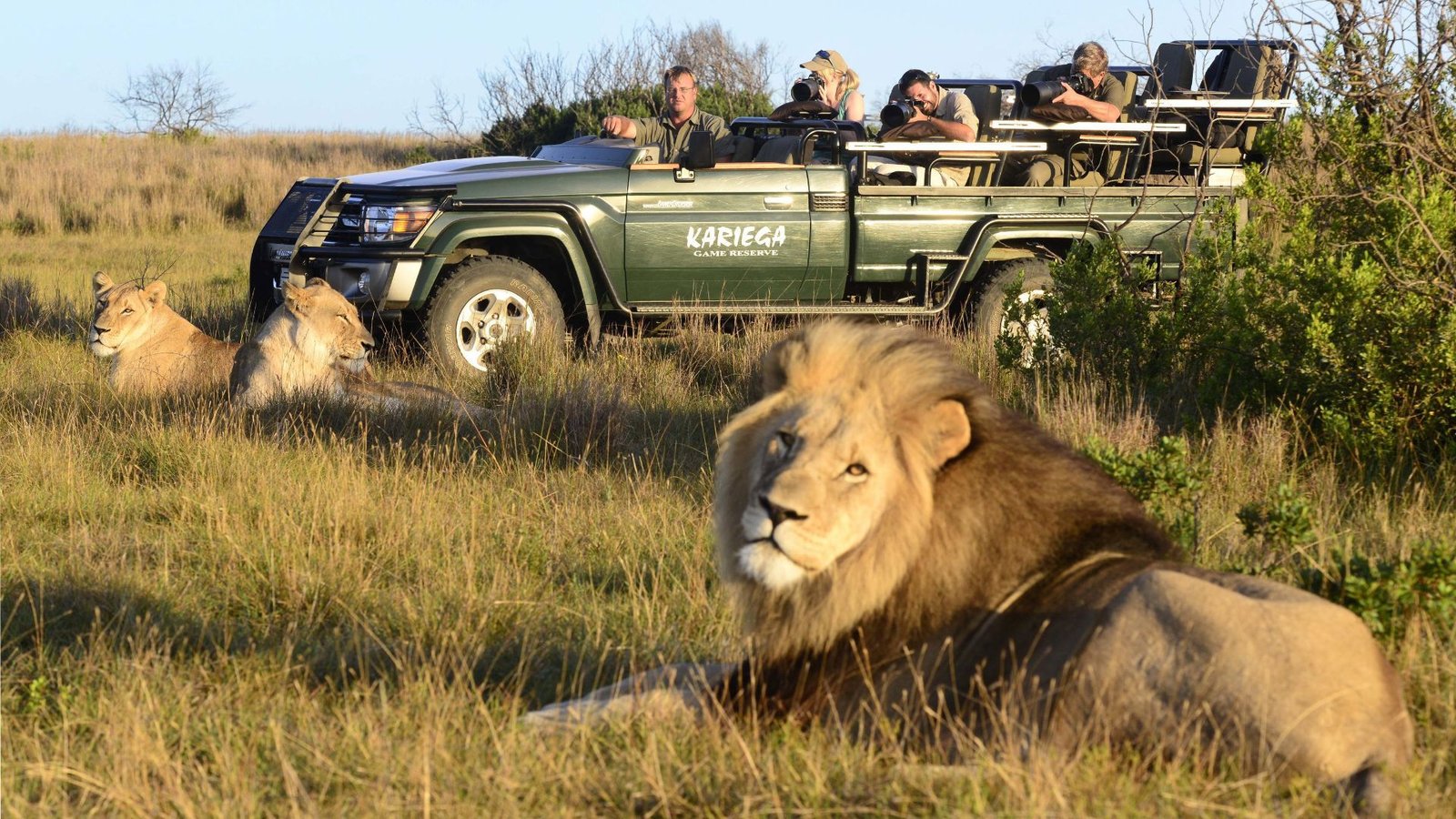
- Carnivores: Predators like lions and eagles have sharp teeth, claws, and keen senses to hunt and capture prey.
- Omnivores: Animals like bears and raccoons have versatile diets, allowing them to eat both plants and animals depending on availability.
Reproductive Adaptations: Ensuring the Next Generation
Reproductive adaptations help animals successfully reproduce and raise their young in challenging environments.
- Rapid Reproduction: Some species, like rabbits and mice, have short lifespans and reproduce quickly to ensure the survival of their species.
- Parental Care: Animals like elephants and penguins invest significant time and energy in raising their young, increasing their chances of survival.
- Egg-Laying Strategies: Birds like cuckoos lay their eggs in the nests of other species, ensuring their offspring are cared for without expending their own energy.
Defense Mechanisms: Survival Tactics
Animals have evolved various defense mechanisms to protect themselves from predators.
- Mimicry: Some animals, like hoverflies, mimic the appearance of more dangerous species to deter predators.
- Chemical Defenses: Animals like skunks and poison dart frogs secrete toxins or foul-smelling substances to ward off predators.
- Armor and Spines: Armadillos and porcupines have protective armor or spines to defend against attacks.
Sensory Adaptations: Navigating the World
Animals have developed specialized senses to navigate and survive in their environments.
- Night Vision: Nocturnal animals like owls and cats have highly sensitive eyes adapted for low-light conditions.
- Echolocation: Bats and dolphins use echolocation to navigate and hunt in the dark or underwater.
- Keen Smell: Animals like dogs and sharks have highly developed olfactory senses to detect prey, predators, or mates.
Examples of Extreme Adaptations
Some animals have evolved extraordinary adaptations to survive in the most extreme environments.
- Polar Bears: Thick fur, a layer of blubber, and large paws help them survive the freezing Arctic.
- Camels: Humps store fat, which can be converted to water and energy, allowing them to survive long periods without food or water in deserts.
- Deep-Sea Creatures: Animals like anglerfish have bioluminescent lures and pressure-resistant bodies to thrive in the deep ocean.
Conclusion
Wild animals are masters of adaptation, showcasing the incredible diversity and resilience of life on Earth. From physical and behavioral changes to physiological and sensory adjustments, their adaptations are a testament to the power of evolution. By understanding how animals adapt to their environments, we gain a deeper appreciation for the complexity of nature and the importance of preserving these remarkable creatures and their habitats. Whether it’s a camel surviving in the desert or a penguin thriving in the Antarctic, the world of wild animals is a constant source of wonder and inspiration.