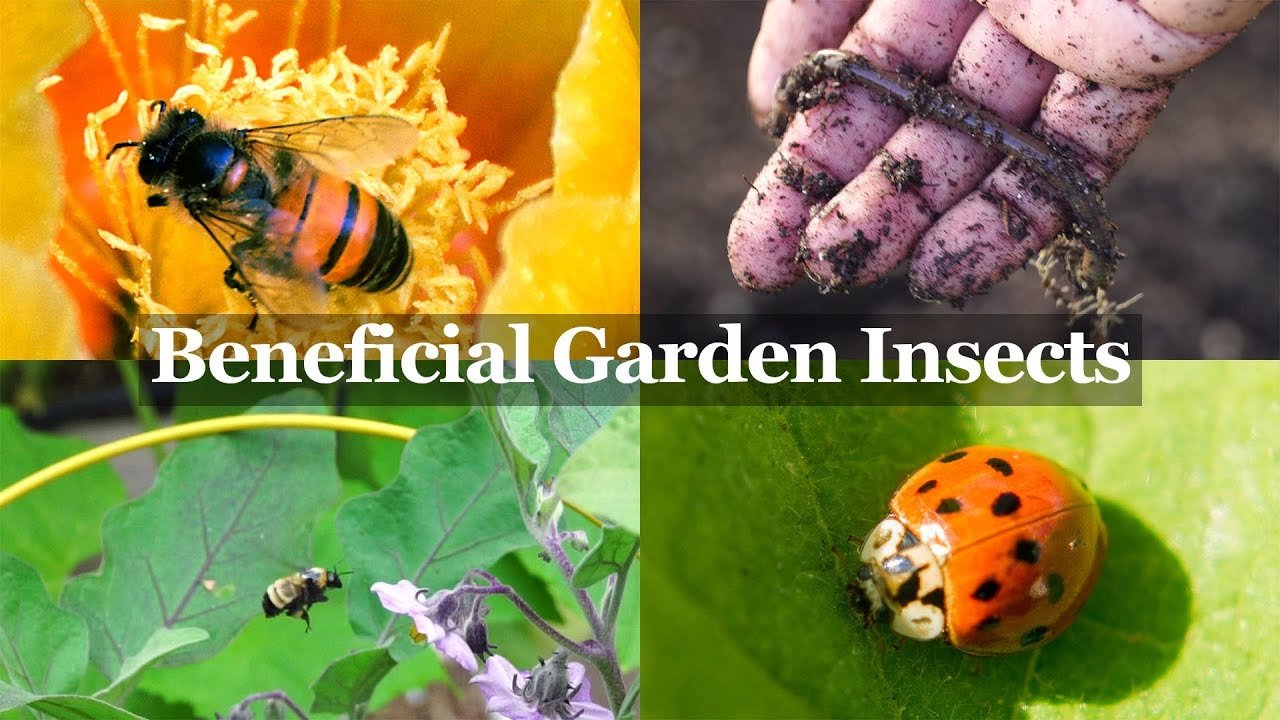
How to attract beneficial insects to garden
Introduction
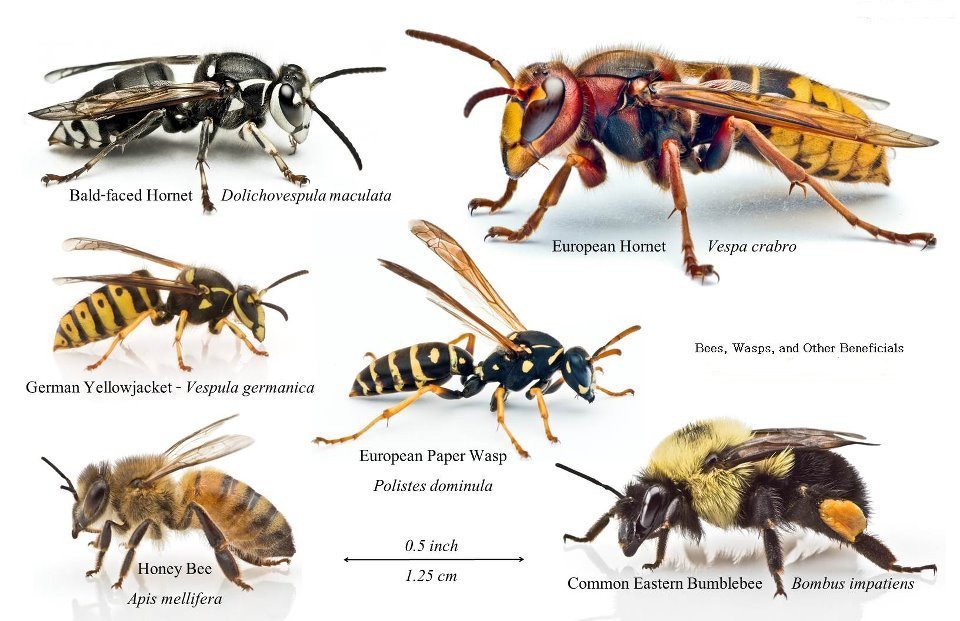
Attracting beneficial insects to your garden is a sustainable way to enhance pollination, control pests naturally, and promote a thriving ecosystem. Beneficial insects, such as ladybugs, lacewings, hoverflies, and bees, play critical roles in maintaining garden health. This guide breaks down the problem of insufficient beneficial insects, identifies causes, outlines consequences, and provides actionable steps to resolve it. Real-world examples and preventive tips ensure long-term success.
Breaking Down the Problem
The lack of beneficial insects in a garden can lead to poor pollination, increased pest populations, and reduced crop yields. To address this, we can break the problem into smaller components:
-
Insufficient Habitat: Lack of shelter or nesting sites for insects.
-
Limited Food Sources: Absence of nectar, pollen, or prey for beneficial insects.
-
Pesticide Use: Chemical sprays that harm or repel beneficial insects.
-
Monoculture Planting: Uniform planting that reduces biodiversity and insect appeal.
-
Environmental Factors: Poor soil health, lack of water, or extreme weather affecting insect survival.
Common Causes
-
Overuse of Chemical Pesticides: Broad-spectrum pesticides kill both harmful and beneficial insects.
-
Lack of Diverse Plants: Gardens with only one or two plant types fail to attract a variety of insects.
-
Poor Garden Design: Absence of flowering plants or water sources limits insect attraction.
-
Neglect of Native Plants: Non-native plants may not support local insect populations.
-
Seasonal Gaps: No blooming plants during certain seasons leave insects without food.
Consequences of Not Addressing the Issue
Failing to attract beneficial insects can have cascading effects:
-
Increased Pest Damage: Without natural predators like ladybugs, aphids and other pests proliferate, damaging plants.
-
Reduced Pollination: Fewer bees and butterflies lead to lower fruit and vegetable yields.
-
Higher Costs: Reliance on chemical pesticides increases expenses and environmental harm.
-
Ecosystem Imbalance: Loss of biodiversity weakens the garden’s resilience to diseases and climate changes.
-
Lower Aesthetic Value: A pest-ridden or poorly pollinated garden looks less vibrant and healthy.
Actionable Step-by-Step Solution
Follow these steps to attract beneficial insects to your garden effectively. Each step includes tools, resources, and strategies to ensure success.
Step 1: Research Beneficial Insects and Their Needs
Objective: Understand which insects benefit your garden and what they require.
-
Action:
-
Identify key beneficial insects for your region (e.g., ladybugs for aphid control, bees for pollination).
-
Learn their preferences for food, shelter, and breeding sites.
-
-
Tools/Resources:
-
Use resources like the Xerces Society (xerces.org) or local extension services for insect guides.
-
Apps like iNaturalist to identify local species.
-
-
Example: In California, planting yarrow attracts lacewings, which prey on aphids.
Step 2: Plant a Diverse Range of Native and Flowering Plants
Objective: Provide food (nectar, pollen) and habitat for beneficial insects.
-
Action:
-
Choose native plants like milkweed (for monarchs), coneflowers, or goldenrod.
-
Include plants with different bloom times to ensure year-round nectar (e.g., early-blooming crocus, late-blooming asters).
-
Plant in clusters to make foraging easier for insects.
-
-
Tools/Resources:
-
Native plant databases (e.g., Lady Bird Johnson Wildflower Center).
-
Seed suppliers like Prairie Moon Nursery or Burpee.
-
-
Example: A gardener in Texas planted a mix of salvia and bee balm, attracting hoverflies that controlled whitefly infestations.
Step 3: Create Shelter and Nesting Sites
Objective: Offer safe spaces for insects to rest and reproduce.
-
Action:
-
Install insect hotels with bamboo tubes, wood blocks, or straw for solitary bees and lacewings.
-
Leave patches of bare soil for ground-nesting bees.
-
Avoid over-tidying; keep leaf litter or logs for overwintering insects.
-
-
Tools/Resources:
-
Purchase or build insect hotels (available on Etsy or Amazon).
-
DIY guides from gardening blogs like Gardeners’ World.
-
-
Example: A UK community garden added a bee hotel, increasing mason bee populations by 30% in one season.
Step 4: Eliminate or Minimize Pesticide Use
Objective: Protect beneficial insects from harmful chemicals.
-
Action:
-
Switch to organic or targeted pest control (e.g., neem oil for specific pests).
-
Use companion planting (e.g., marigolds to deter nematodes).
-
Monitor pest levels with traps to avoid unnecessary spraying.
-
-
Tools/Resources:
-
Organic pest control products from Arbico Organics.
-
Integrated Pest Management (IPM) guides from university extension programs.
-
-
Example: A vineyard in Oregon reduced pesticide use by 50% and saw a surge in ladybugs, controlling aphid outbreaks naturally.
Step 5: Provide Water Sources
Objective: Ensure insects have access to hydration.
-
Action:
-
Place shallow dishes with pebbles and water in the garden.
-
Add a small pond or birdbath with sloping edges for safe insect access.
-
Mist plants lightly to create moist microhabitats.
-
-
Tools/Resources:
-
Garden supply stores for birdbaths or pond kits.
-
DIY water station tutorials on YouTube.
-
-
Example: A backyard gardener in Arizona added a pebble-filled water dish, attracting bees and butterflies during dry months.
Step 6: Monitor and Maintain the Garden
Objective: Ensure long-term success by tracking insect activity and garden health.
-
Action:
-
Observe insect populations using a notebook or apps like BugGuide.
-
Adjust plantings or habitats based on what attracts the most beneficial insects.
-
Refresh water sources and clean insect hotels annually.
-
-
Tools/Resources:
-
Citizen science projects like the Great Sunflower Project to track pollinators.
-
Local gardening clubs for advice and support.
-
-
Example: A school garden in Minnesota used student observations to identify thriving bee populations after planting clover.
Real-World Case Study
Case Study: Urban Community Garden in Chicago
-
Problem: A community garden struggled with aphid infestations and low vegetable yields due to insufficient pollination.
-
Solution:
-
Planted native wildflowers (e.g., black-eyed Susan, bee balm) around vegetable beds.
-
Installed two insect hotels and left a corner of bare soil for nesting bees.
-
Replaced chemical sprays with neem oil and introduced companion plants like dill to attract predatory wasps.
-
Added a shallow water station near flower beds.
-
-
Results:
-
Within one season, ladybug and hoverfly populations increased, reducing aphid damage by 70%.
-
Pollination improved, boosting zucchini and tomato yields by 40%.
-
The garden became a local hub for pollinator education, attracting new members.
-
-
Takeaway: Small, targeted changes can transform a garden into a haven for beneficial insects.
Additional Tips for Prevention
To prevent future issues with attracting beneficial insects:
-
Rotate Plants Seasonally: Ensure continuous blooms by rotating annuals and perennials.
-
Join Local Conservation Efforts: Partner with groups like Pollinator Partnership to stay informed on best practices.
-
Educate Yourself Continuously: Attend workshops or webinars on ecological gardening.
-
Avoid Invasive Plants: Check with local nurseries to avoid plants that outcompete natives and harm insect habitats.
-
Encourage Biodiversity: Introduce companion animals like birds or frogs that support insect balance.
Conclusion and Next Steps
Attracting beneficial insects to your garden is a rewarding and environmentally friendly way to boost plant health and yields. By addressing habitat, food, and safety needs, you can create a thriving ecosystem. Start today by:
-
Researching native plants and beneficial insects for your area.
-
Planting a small cluster of nectar-rich flowers or installing an insect hotel.
-
Monitoring progress and tweaking your approach.
Call to Action: Don’t wait for pests to take over or yields to drop. Take the first step this weekend by visiting a local nursery or checking out xerces.org for plant recommendations. Transform your garden into a buzzing, blooming paradise now!