Overview
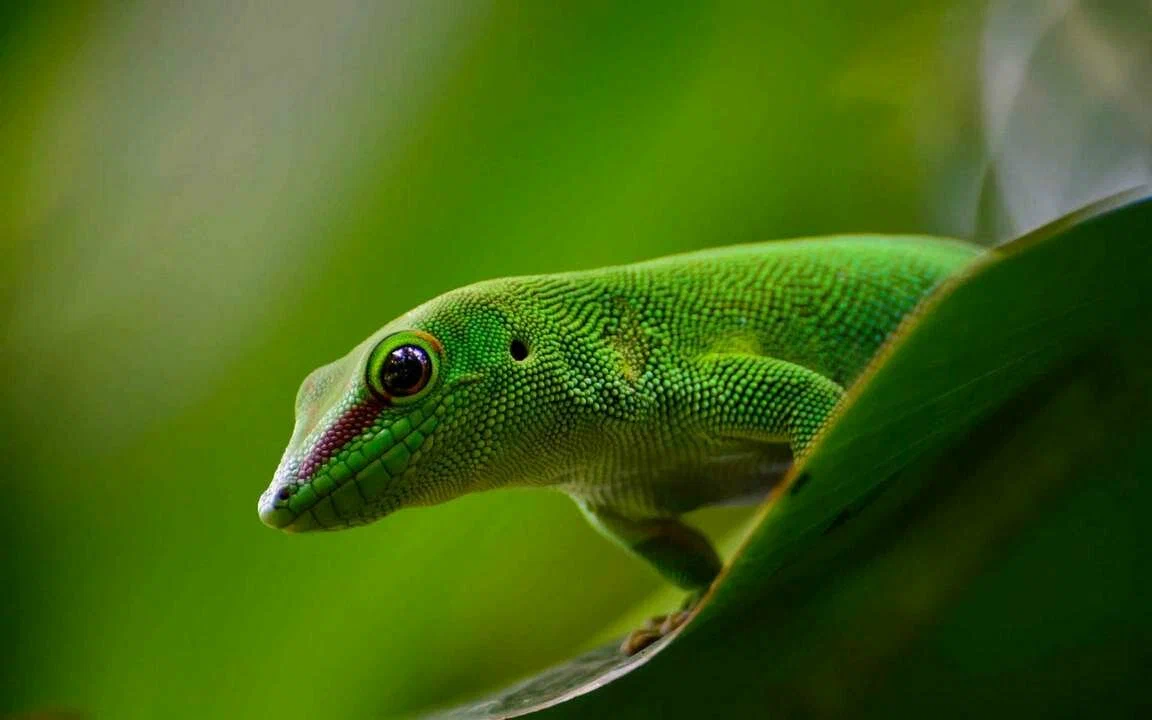
Breeding leopard geckos (Eublepharis macularius) at home can be a rewarding and educational experience. However, it requires preparation, knowledge, and responsibility. This guide provides a complete solution-based framework for successfully breeding leopard geckos, identifying potential challenges, and offering practical, step-by-step strategies to achieve optimal outcomes.
Breaking Down the Problem
Main Goal: Successfully breed leopard geckos at home in a healthy, ethical, and sustainable manner.
Key Components:
-
Selecting Healthy Breeding Stock
-
Setting Up a Suitable Breeding Environment
-
Inducing Breeding and Mating
-
Egg Incubation
-
Hatchling Care
-
Recordkeeping and Ethical Breeding
Common Challenges and Root Causes
| Challenge | Common Causes | Potential Consequences |
|---|---|---|
| Infertile eggs | Improper mating, unhealthy geckos | Wasted time, disappointment |
| Aggressive behavior during mating | Incompatible or stressed geckos | Injury or death |
| Poor hatch rate | Incorrect incubation temperature/humidity | Loss of eggs or malformed hatchlings |
| Health issues in babies | Poor diet, genetics, environmental stress | Short lifespan, deformities |
| Overbreeding or inbreeding | Lack of genetic planning | Genetic defects, unethical practices |
Step-by-Step Instructions to Breed Leopard Geckos at Home
Step 1: Select Healthy Breeding Pairs
-
Age: Males and females should be at least 18-24 months old and weigh 50+ grams.
-
Health Check: Ensure no parasites, clear eyes, proper tail fat, and active behavior.
-
Genetics: Research lineage to avoid inbreeding. Use unrelated, high-quality specimens.
-
Pro Tip: Use a male-to-female ratio of 1:2 or 1:3 to avoid overstressing females.
Step 2: Prepare the Breeding Environment
-
Housing: House geckos separately and introduce the male only during breeding.
-
Tank Size: Minimum 20-gallon for each adult. Use a separate mating tank.
-
Temperature: Warm side 88–92°F, cool side 75–80°F.
-
Humidity: Maintain 40–60% with a moist hide.
-
Lighting: Use natural photoperiods (12-hour light/dark cycles).
Step 3: Introduce Geckos and Monitor Mating
-
Introduce male to female for a few hours; monitor for aggression.
-
Mating signs: tail vibrations, mounting, gentle biting.
-
If aggressive: Separate immediately and try again in a few days.
-
Mating often occurs Feb–Sept (mimicking natural seasonality).
Step 4: Post-Mating and Egg Laying
-
Females may lay 2 eggs every 2–4 weeks, up to 6–8 clutches per season.
-
Provide a lay box with moist substrate (e.g., vermiculite, sphagnum moss).
-
Check daily for eggs and gently remove them using gloves.
Step 5: Incubate the Eggs Properly
-
Incubation Container: Use deli cups with pinholes and 1:1 water-to-substrate ratio.
-
Incubator: Maintain 80–90°F (sex-dependent—higher temps yield more males).
-
Humidity: 80–90%.
-
Hatching Time: 35–90 days, depending on temperature.
-
Label each container with date, parents, and temperature.
Step 6: Caring for Hatchlings
-
Separate Housing: One hatchling per enclosure to avoid fighting.
-
Substrate: Paper towels or non-particle substrates.
-
Feeding: Offer pinhead crickets, small dubia roaches, and calcium supplements.
-
Handling: Avoid for the first 2–3 weeks; let them adjust and start feeding reliably.
Real-World Example
Case Study: Sarah’s First Breeding Season
Sarah, a hobbyist from Oregon, began breeding two leopard geckos she purchased from reputable breeders. After research and careful setup:
-
Her female laid 10 fertile eggs.
-
She incubated at 84°F for a balanced sex ratio.
-
8 out of 10 eggs hatched successfully.
-
With proper care and vet checkups, all hatchlings thrived and were responsibly rehomed.
Sarah credited success to:
-
Clear recordkeeping
-
Weekly health checks
-
Sticking to a breeding schedule
-
Networking with local reptile communities
Tools and Resources
| Resource | Purpose |
|---|---|
| Digital thermometer/hygrometer | Temperature & humidity monitoring |
| Incubator (e.g., Hovabator) | Stable egg incubation |
| Reptile calcium/vitamin powder | Nutrient supplementation |
| Recordkeeping sheets or apps | Tracking pairings, hatch dates |
| Moist substrate (vermiculite, moss) | Lay and incubation medium |
| UVB bulb (optional) | Enhances calcium metabolism |
Tips for Preventing Future Issues
-
Avoid Overbreeding: Limit each female to one season per year with a resting period.
-
Practice Quarantine: Separate new geckos for 30–60 days before introducing to others.
-
Vet Checks: Annual health checks for breeding stock.
-
Ethical Rehoming: Never breed unless you have a plan for the offspring.
-
Stay Educated: Join reptile forums, breeder groups, and attend expos.
Next Steps & Call to Action
Ready to begin? Follow these actionable steps:
✅ Acquire healthy, unrelated breeding geckos
✅ Set up individual and breeding enclosures
✅ Purchase or build a reliable incubator
✅ Track health and breeding records
✅ Join an online reptile community for support
Take Action Now:
Begin preparing your environment and sourcing geckos from ethical breeders. Responsible breeding starts with knowledge and planning—so take the first step today and commit to lifelong care for your animals.
If you’d like a free printable checklist or need custom setup advice, just ask—I’m here to help!