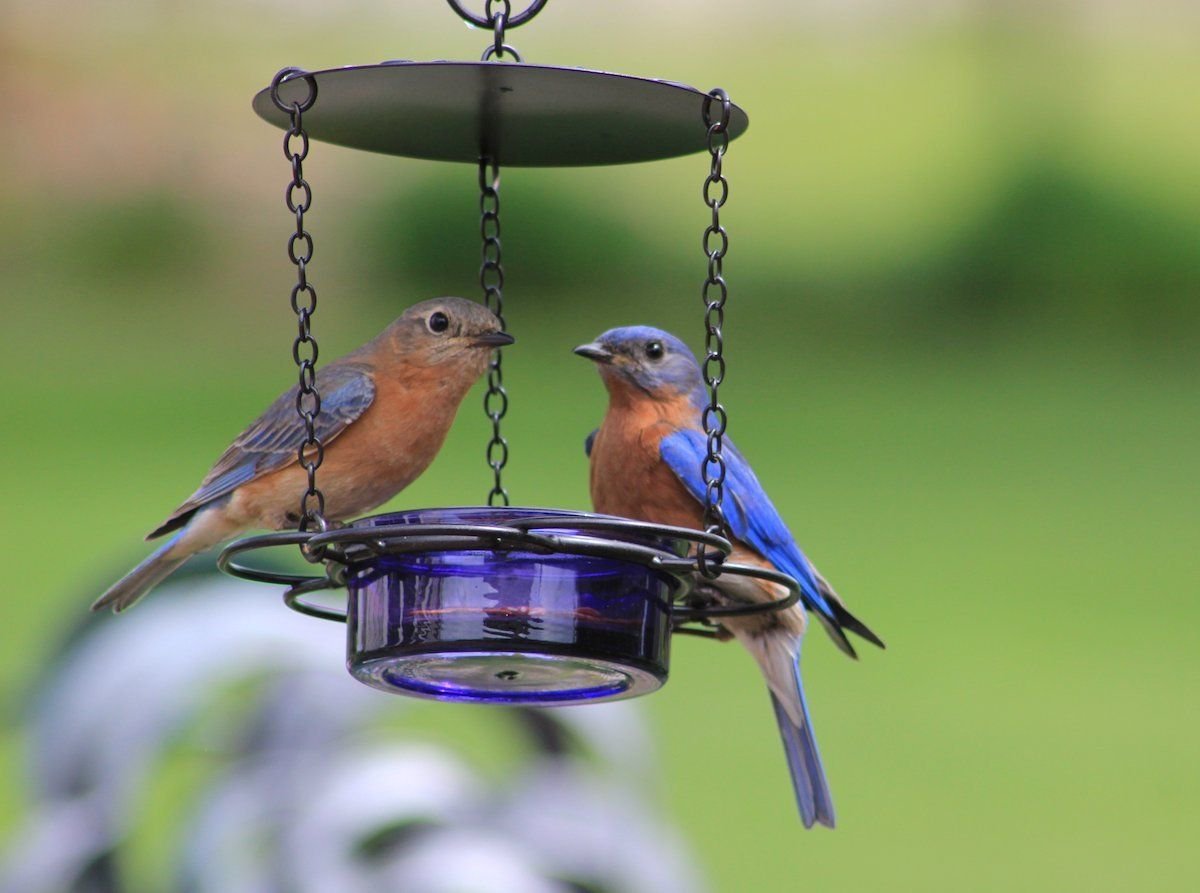
Sure! Here’s a comprehensive solution-based guide designed to help clients resolve the problem: “Finding the Best Bird Feeders for Backyard Birds”. How to Choose the Best Bird Feeders for Your Backyard Birds
✅ Overview of the Problem
Backyard bird feeding is a popular and rewarding hobby, but many people struggle with choosing the best bird feeders. The wrong choice can result in:
- Low bird visits
- Wasted birdseed
- Pests like squirrels and raccoons
- Difficulty cleaning or maintaining feeders
- Birds not thriving due to poor feeder quality or seed type
This guide will break down the problem, identify common causes, and provide a solution-focused, step-by-step action plan.
🔍 Problem Breakdown
1. Understanding Your Local Birds
- Issue: Not all birds eat the same food or use the same feeders.
- Consequence: The wrong feeder may deter native birds or attract pests.
2. Feeder Types Are Confusing
- Issue: Tube, platform, hopper, suet, nectar—each serves a different purpose.
- Consequence: Choosing incorrectly can reduce bird traffic or lead to contamination.
3. Poor Placement and Maintenance
- Issue: Feeders placed in unsafe, dirty, or inconvenient locations.
- Consequence: Risk of disease, pests, or no birds visiting at all.
🛠️ Step-by-Step Solution Strategy
🕵️ Step 1: Identify Your Target Bird Species
Tool: Use eBird or a local birding guide to determine which species frequent your area.
- Example: Chickadees, cardinals, and finches in the Northeast U.S.
- Solution: Match feeder types to birds (e.g., tube feeders for finches, platform feeders for cardinals).
🛠️ Step 2: Select the Right Feeder Type
| Feeder Type | Best For | Seed Type |
|---|---|---|
| Tube Feeder | Finches, chickadees, nuthatches | Sunflower, nyjer |
| Hopper Feeder | Cardinals, grosbeaks | Mixed seed, sunflower |
| Platform Feeder | Ground-feeding birds | Mixed seed, cracked corn |
| Suet Feeder | Woodpeckers, wrens | Suet cakes |
| Nectar Feeder | Hummingbirds | Sugar-water (4:1 water:sugar) |
Resources: Visit local hardware stores, birding centers, or online retailers like Wild Birds Unlimited or Amazon.
🧹 Step 3: Placement and Safety
- Keep feeders 5–10 feet from shrubs or trees to deter predators.
- Place near natural shelter (but not too close).
- Keep feeders at least 5 feet off the ground.
- Use baffles or squirrel-proof designs.
🧼 Step 4: Regular Maintenance
- Clean feeders every 2 weeks (weekly in summer).
- Soak in 1 part bleach to 9 parts water, rinse thoroughly.
- Remove wet or moldy seed immediately.
- Rotate seed stock to keep it fresh.
💰 Step 5: Use High-Quality Birdseed
Avoid:
- Filler seeds (e.g., red millet)
- Moldy or clumpy seed
Buy: - Black oil sunflower seeds (versatile and popular)
- Nyjer (for finches)
- Safflower (resists squirrels)
Tip: Buy in bulk and store in sealed containers in a dry, cool place.
🧪 Real-World Case Study
Client: Sarah, suburban backyard enthusiast in Illinois.
Problem: Birds stopped visiting her feeder. She was using mixed seed in a hopper feeder placed near a busy patio.
Solution:
- She switched to black oil sunflower seed.
- Moved her feeder 10 feet into the yard, near a maple tree.
- Installed a squirrel baffle and cleaned the feeder biweekly.
Result: Within 3 weeks, Sarah reported steady visits from cardinals, finches, and woodpeckers, and significantly less seed waste.
🛡️ Preventing Future Issues
- Rotate feeder types seasonally.
- Keep a birdwatching journal to track visits and behavior.
- Use weather guards or covered feeders during rainy seasons.
- Install multiple feeders to reduce competition and crowding.
🧭 Next Steps & Call to Action
✅ Action Checklist:
- Identify 3 common bird species in your area using eBird.
- Choose and purchase one new feeder based on the table above.
- Place feeder in an ideal spot with proper protection.
- Schedule regular cleaning every 2 weeks.
- Track bird activity and adjust feeder type or seed as needed.
📣 Call to Action:
Don’t wait—your backyard birds depend on you! Start creating a safe and welcoming feeding environment today. Select a feeder that matches your region’s birds, maintain it well, and enjoy the beauty and biodiversity that follows.
➡️ Visit a local bird supply store or order online now to get started.
Would you like a downloadable PDF version of this guide or a tailored list of feeders for your zip code? Let me know!