I. Understanding the Problem
What’s Happening?
You’ve spotted ants in your kitchen, bathroom, or other areas of your home. At first, it’s just a few, but soon you see a line—a whole trail—marching toward food or water. This is not only irritating, it can quickly escalate.
Why This Matters
- Ants contaminate food, especially sugars, fruits, and baked goods.
- Some ants (e.g., carpenter ants) can cause structural damage.
- They can attract other pests and compromise hygiene.
- A persistent ant problem can reduce property value and indoor comfort.
II. Common Causes of Ant Infestations
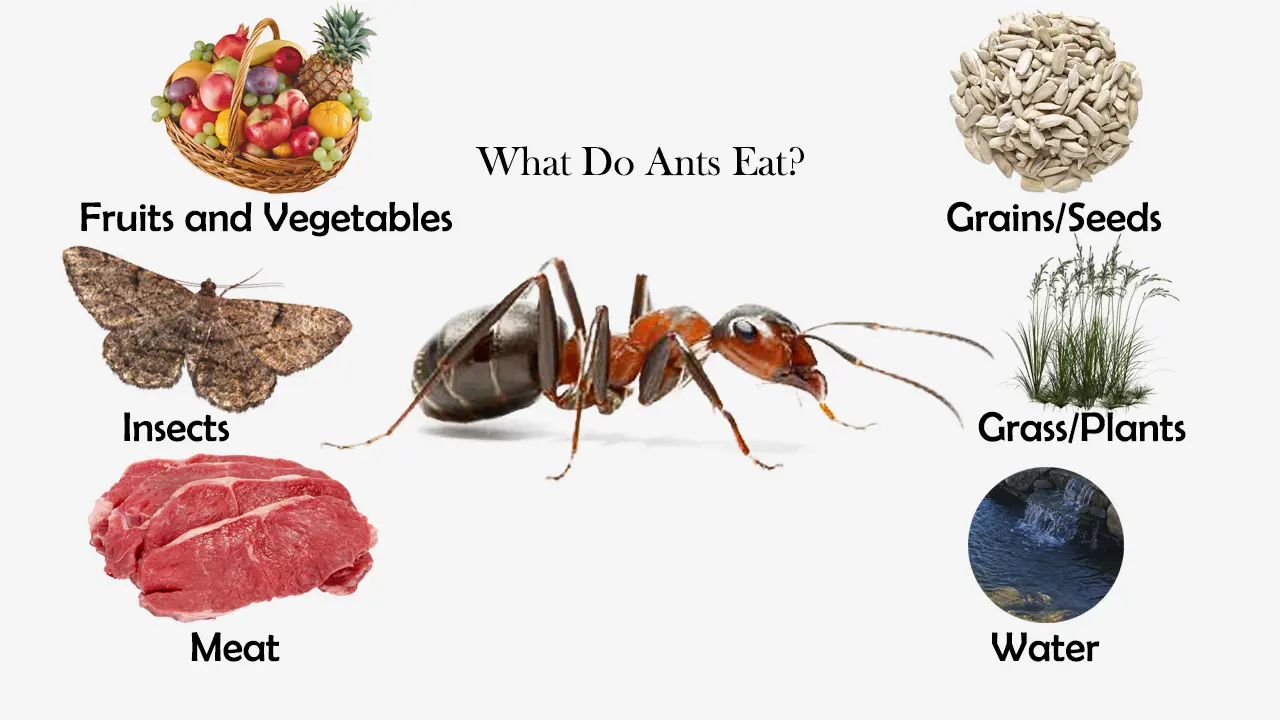
- Food Sources: Spills, crumbs, uncovered food, and pet food attract ants.
- Moisture: Leaky pipes, damp wood, and standing water provide hydration.
- Entry Points: Cracks, crevices, windows, and poorly sealed doors.
- Nesting Areas: Walls, insulation, and under flooring can be ideal nesting sites.
III. Consequences of Ignoring the Problem
- Infestation Growth: Colonies can grow rapidly, making eradication harder.
- Structural Damage: Especially from carpenter ants.
- Health Risks: Though not disease carriers, ants can spread bacteria.
- Costs Increase: Delayed action often leads to higher pest control expenses.
IV. Natural, Step-by-Step Ant Removal and Prevention Plan
Step 1: Identify the Type of Ant
Understanding what kind of ant you’re dealing with helps determine the best natural treatment.
- Sugar ants (odorous house ants) go after sweets.
- Carpenter ants nest in wood and indicate possible damage.
- Pharaoh ants prefer warm, humid environments.
🛠️ Tool: Use a flashlight and phone camera to track ants to their entry point or nest.
Step 2: Eliminate the Attraction
Food & Water Sources
- Wipe counters and sweep floors daily.
- Store all food in airtight containers.
- Clean pet bowls and sweep crumbs immediately after meals.
- Fix leaks and dry out damp areas.
✅ Real Example: A family in Austin, TX, found ants swarming their cereal box. By switching to airtight glass containers and wiping counters with vinegar, the problem stopped within 48 hours.
Step 3: Block Entry Points
- Seal cracks with caulk.
- Weatherstrip doors and windows.
- Install mesh screens on vents and windows.
🧰 Tools Needed: Caulk gun, weatherstripping tape, steel wool (for larger gaps).
Step 4: Use Natural Ant Deterrents
Homemade Solutions
- White Vinegar Spray
- Mix 1:1 vinegar and water.
- Spray along trails, windowsills, and entry points.
- Lemon Juice
- Disrupts scent trails—use it like vinegar.
- Essential Oils
- Peppermint, tea tree, or citrus oils work well.
- Add 10 drops to 1 cup of water with a few drops of dish soap.
- Diatomaceous Earth (Food Grade)
- Sprinkle around baseboards and behind appliances.
- Safe for pets and kids when not airborne.
💡 Pro Tip: Rotate deterrents weekly to prevent ants from adapting.
Step 5: Destroy the Colony
While repelling ants works for small problems, you may need to target the colony.
- DIY Ant Bait:
- Mix 1 tablespoon of borax with 3 tablespoons of sugar.
- Add a little water to form a paste.
- Place small amounts on paper near ant trails.
⚠️ Caution: Keep borax bait away from pets and children.
Step 6: Monitor and Reassess
- Check bait and traps daily.
- Refresh sprays and barriers weekly.
- Continue for 1–2 weeks to ensure colony elimination.
V. Case Study: Real-World Success
Client: Sarah M., Seattle, WA
Issue: Recurring ant problem in her kitchen every spring.
Action Taken:
- Switched to sealed glass containers.
- Used peppermint oil and vinegar spray daily.
- Applied diatomaceous earth under the fridge.
- Sealed wall cracks near the baseboard.
Result: Ants were gone within 10 days. No return the following spring.
VI. Long-Term Prevention Tips
- Regular Deep Cleaning: Schedule monthly.
- Outdoor Maintenance: Trim plants away from the home.
- Yard Care: Avoid mulch piles and standing water near the foundation.
- Natural Perimeter Barriers: Sprinkle cinnamon, coffee grounds, or citrus peels.
VII. Next Steps & Call to Action
- Take Inventory: Walk through your home today to identify food and moisture sources.
- Start Small: Mix a vinegar spray and wipe down your kitchen.
- Seal and Protect: Use caulk or weatherstripping this week.
- Monitor Progress: Note any new sightings and adjust your plan accordingly.
📌 Act Now: A few ants today could be hundreds tomorrow. Commit to one action today using the guide above.
If you’d like a personalized natural ant control checklist, just ask—I can generate one tailored to your home layout and location.
Let me know how you’d like to get started, and I’ll walk you through your first step.