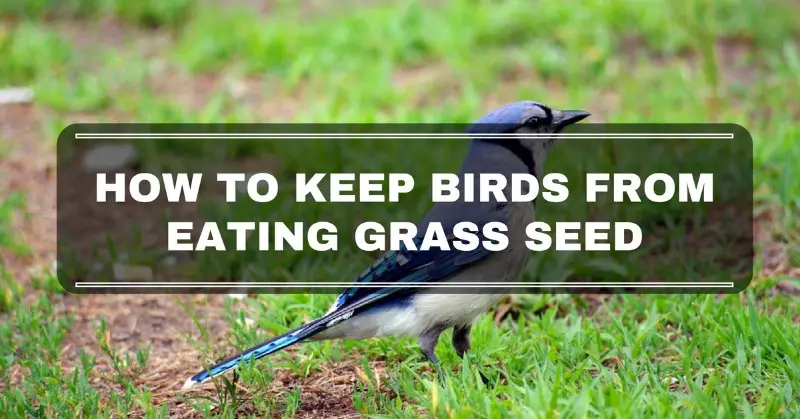
Overview of the Problem
When homeowners or landscapers plant new grass seed, they often face a frustrating problem: birds eating the seed before it has a chance to germinate. This not only delays the growth of a healthy lawn but can also waste time, effort, and money. Addressing this issue early is crucial to ensuring the success of your seeding efforts.
Breakdown of the Problem
1. Smaller Components
-
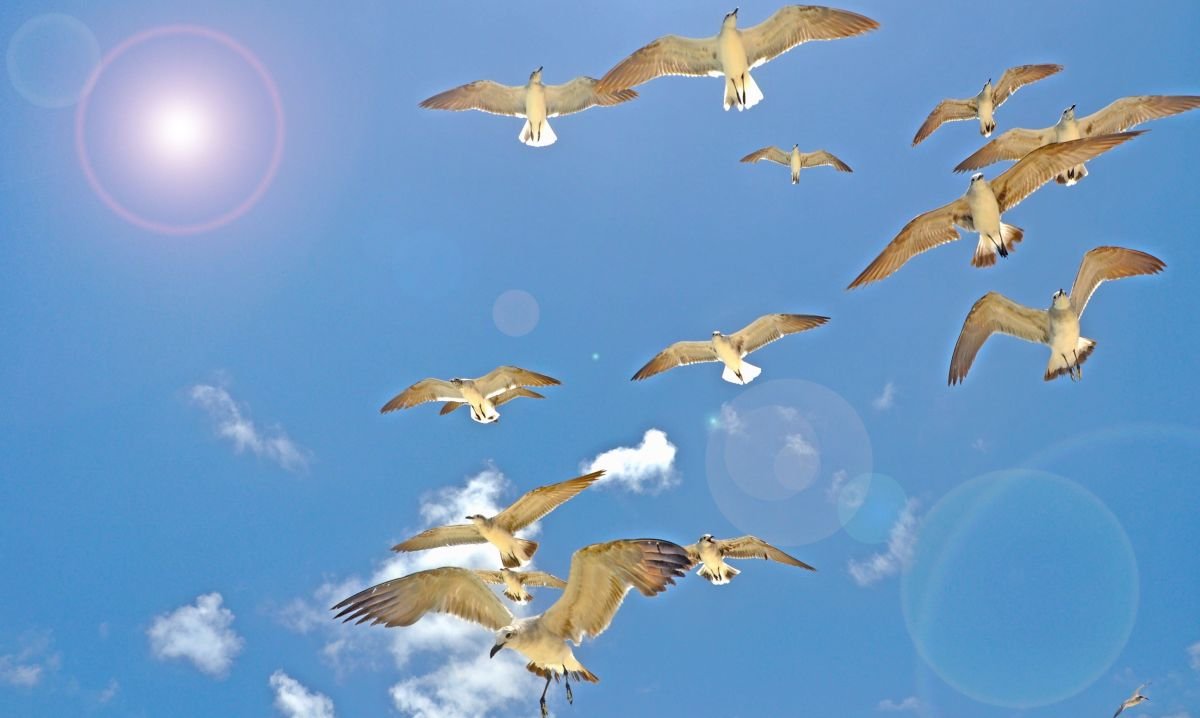
Bird Attraction to Seeds: Birds are naturally attracted to exposed grass seed as a food source.
-
Lack of Ground Cover: Seeds lying openly on the soil are easy targets.
-
Extended Germination Time: Some grass types take 7–21 days to germinate, providing a long window of vulnerability.
-
Habitat Encouragement: Lawns may attract birds due to existing shrubs, birdbaths, or feeders.
2. Common Causes
-
Broadcasting seed without protective cover
-
Inadequate watering, which keeps seeds dry and accessible
-
Use of cheap seed blends with a high proportion of filler (birds pick out the good stuff)
-
Nearby bird-friendly features (e.g., feeders, birdbaths)
3. Potential Consequences of Not Addressing the Issue
-
Patchy lawn with uneven growth
-
Need to reseed, adding extra cost and labor
-
Delayed establishment of a healthy lawn
-
Soil erosion due to lack of vegetation
Step-by-Step Actionable Solutions
✅ Step 1: Choose High-Quality Grass Seed
-
Why: Premium seeds often have coatings that deter birds and improve germination rates.
-
Tool/Resource: Look for coated seed labeled “bird-resistant” or “starter-enhanced.”
✅ Step 2: Properly Prepare the Soil
-
Till and rake the soil to ensure good seed-to-soil contact.
-
Mix seeds slightly into the top 1/8 inch of soil using a rake.
-
Why: Hidden seeds are less likely to be eaten.
✅ Step 3: Apply a Seed Cover
Options include:
-
Straw Mulch (without seeds) – Lightly cover seeds with a thin layer (approx. ½ inch).
-
Seed Matting/Fabric – Biodegradable mats protect seeds from birds and wind.
-
Compost or Topsoil – Apply a very light layer (~1/4 inch) over the seed.
-
Peat Moss – Lightweight and retains moisture.
-
Tool/Resource: Seed blanket rolls, straw blower, compost spreader.
✅ Step 4: Use Bird Deterrents
-
Visual:
-
Reflective tape or aluminum foil strips
-
Fake predators like owls or hawks (move them every few days)
-
-
Auditory:
-
Ultrasonic bird repellents or wind chimes
-
-
Physical:
-
Bird netting staked over the seeded area
-
-
Real-World Tip: In suburban Minneapolis, a landscaper used reflective garden stakes and seed netting during a spring reseed. Bird interference dropped by 90%, and the lawn established successfully in 3 weeks.
✅ Step 5: Water Frequently
-
Lightly water 2–3 times per day to keep the seed moist.
-
Wet seeds are less appetizing to birds.
-
Use a fine mist sprinkler to avoid washing away seed.
✅ Step 6: Limit Bird-Friendly Features Nearby
-
Temporarily remove birdbaths and feeders.
-
If you’re passionate about birding, consider relocating these to another section of your yard, away from the seeding area.
Additional Tips for Prevention
-
Seed in the Fall or Early Spring: Birds are less active or have alternative food sources.
-
Overseed Instead of Reseed: When thickening a lawn, mix seed into existing grass to naturally hide it.
-
Use a Lawn Roller: Gently rolling seeded areas can press seed into soil and reduce visibility to birds.
-
Try Grass Plugs or Sod: For small areas, these are faster alternatives and not vulnerable to birds.
Case Study: A Successful Reseed in Denver, CO
Problem: A homeowner reseeded their front lawn, only to find sparrows and pigeons picking off seeds daily.
Solution Implemented:
-
Used coated seed and compost as cover
-
Installed bird netting held up by short stakes
-
Added reflective pinwheels around the perimeter
Result: Within 14 days, 90% germination was achieved. Birds remained in the neighborhood but ignored the protected patch. By week 4, the netting was removed, revealing a lush new lawn.
Next Steps and Call to Action
✅ Immediate Action Plan for Clients
-
Purchase bird-resistant, coated grass seed from a local supplier or trusted online store.
-
Prepare your soil and gather materials for covering (straw, seed matting, etc.).
-
Install a combination of visual and physical bird deterrents.
-
Begin watering schedule immediately post-seeding.
-
Monitor daily for bird activity and make adjustments.
📣 Call to Action
Don’t let birds sabotage your lawn investment! Take action today by sourcing high-quality seed and securing the right tools. The sooner you act, the sooner you’ll enjoy a thick, green lawn—without the frustration. If you need help choosing the right products or designing your deterrent setup, contact our landscaping experts today for a free consultation.