📍 Problem Overview
Many animal lovers dream of starting a pet grooming business from home, but struggle with the logistics, legalities, marketing, and operational aspects. Without a structured plan, they risk losing money, running afoul of regulations, or failing to attract clients.
🧩 Breaking Down the Problem
1. Lack of Industry Knowledge
-
Cause: No grooming certification, limited pet care experience.
-
Consequence: Risk of injury to pets or legal liability.
2. Inadequate Legal and Regulatory Understanding
-
Cause: Unfamiliarity with zoning laws, permits, and licenses.
-
Consequence: Business closure or fines.
3. Insufficient Equipment or Poor Workspace Setup
-
Cause: Inadequate investment or planning.
-
Consequence: Inefficient operations, safety hazards.
4. No Marketing or Client Acquisition Plan
-
Cause: No branding, unclear niche.
-
Consequence: Inability to attract or retain customers.
5. Lack of Business Structure and Financial Planning
-
Cause:No business registration, insurance, or pricing strategy.
-
Consequence: Legal exposure, unsustainable income.
✅ Step-by-Step Actionable Guide
Step 1: Build Foundational Skills and Certification
✅ Action:
-
Complete a pet grooming course (in-person or online).
-
Get certified by reputable organizations (e.g., National Dog Groomers Association of America – NDGAA, International Professional Groomers – IPG).
🛠 Tools/Resources:
-
Websites: NDGAA.com, IPGICMG.com
-
Platforms: Udemy, Skillshare, Coursera (for pet grooming courses)
📌 Tip:
Apprentice with a local groomer to gain hands-on experience.
Step 2: Register Your Business and Understand Local Regulations
✅ Action:
-
Choose a business structure (LLC, sole proprietorship).
-
Register with your state or county clerk’s office.
-
Apply for necessary licenses/permits, including:
-
Business license
-
Home occupancy permit
-
Animal care license (if applicable)
-
🛠 Tools/Resources:
-
SBA.gov for small business registration help
-
Local government or chamber of commerce websites
📌 Tip:
Consult a business lawyer or local Small Business Development Center (SBDC) for compliance guidance.
Step 3: Design a Pet-Safe Grooming Workspace
✅ Action:
-
Designate a clean, well-ventilated room or garage space.
-
Install:
-
Grooming table
-
Tub with non-slip mat
-
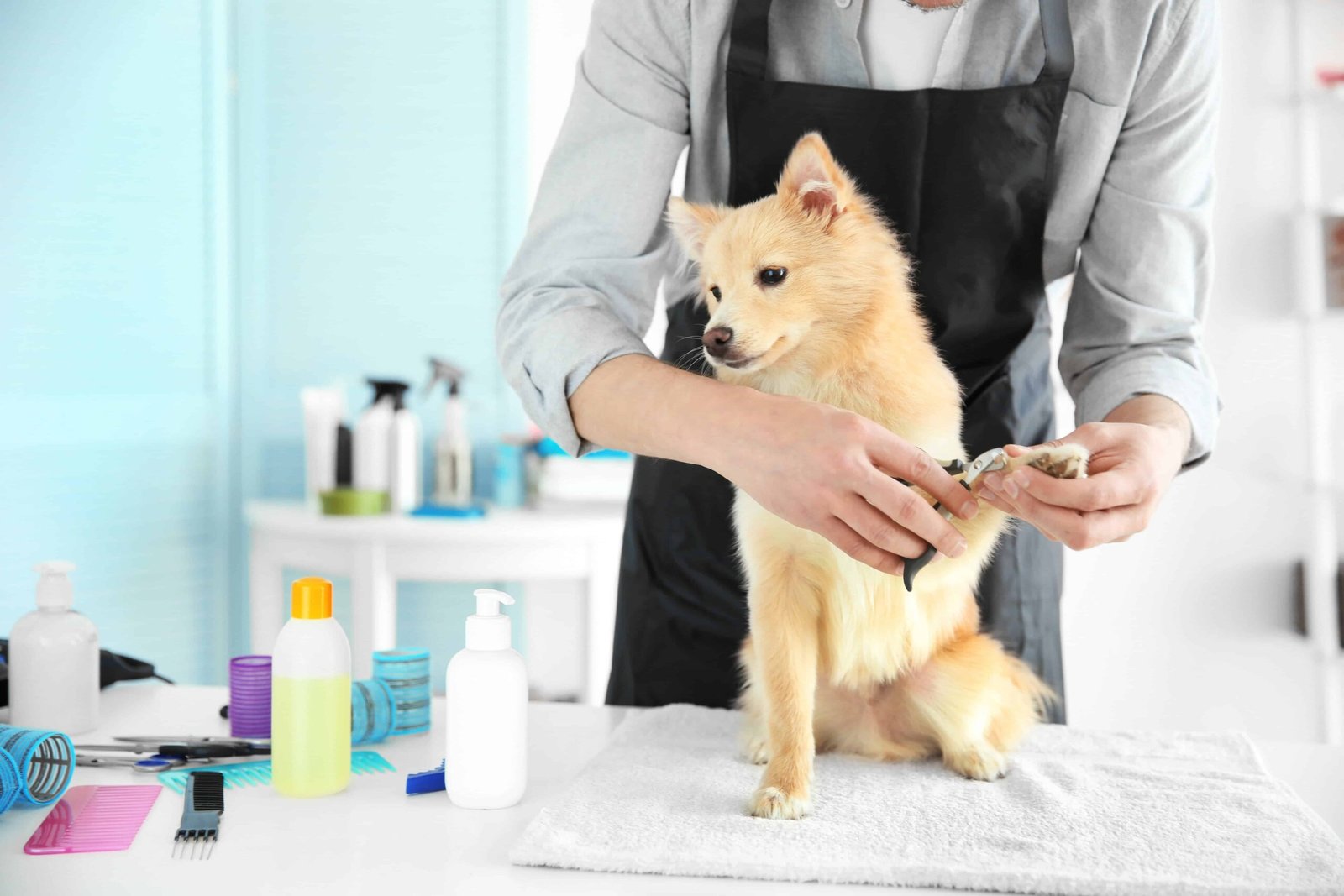
Clippers, scissors, brushes
-
Dryers, towels, shampoo products
-
-
Ensure pet safety with gates, first aid kit, non-toxic products.
🛠 Tools/Resources:
-
Grooming kits from Amazon, Chewy, or PetEdge
-
Safety checklists (available via ASPCA or AVMA)
📌 Tip:
Use waterproof flooring and sanitize regularly.
Step 4: Set Up Business Infrastructure
✅ Action:
-
Open a separate business bank account
-
Use accounting software (e.g., QuickBooks, Wave)
-
Establish insurance coverage (liability, property, pet care)
-
Create a service menu and pricing structure
🛠 Tools/Resources:
-
QuickBooks, FreshBooks
-
Business insurance: Hiscox, Next Insurance, Pet Business Insurance
📌 Tip:
Price competitively but profitably—research local competitors.
Step 5: Create Branding and Online Presence
✅ Action:
-
Choose a business name and logo
-
Create a website with booking features (e.g., Wix, Squarespace, GoDaddy)
-
Set up social media: Instagram, Facebook, TikTok
-
List business on Google My Business, Yelp, Nextdoor
🛠 Tools/Resources:
-
Canva (for logo design)
-
Booksy or GroomPro POS for appointment scheduling
📌 Tip:
Post before/after photos, grooming tips, and customer reviews.
Step 6: Attract and Retain Customers
✅ Action:
-
Offer grand opening specials
-
Use referral programs (“Refer a friend, get 20% off”)
-
Join local pet events, vet offices, pet stores for networking
-
Collect reviews and testimonials
🛠 Tools/Resources:
-
Flyers via Vistaprint or Canva
-
Loyalty card templates
-
Facebook Groups for local pet owners
📌 Tip:
Follow up with clients after appointments to show care.
Step 7: Scale Sustainably
✅ Action:
-
Track finances monthly
-
Reinvest in better tools, training
-
Consider hiring help as demand grows
-
Expand services (nail trimming, pet sitting, mobile grooming)
📌 Tip:
Automate bookings and reminders using tools like Square Appointments.
🧵 Real-World Case Study
Case: Sarah’s Pet Spa (Denver, CO)
Sarah began grooming dogs at home in 2020 after completing an online certification. She invested $2,000 into a grooming station in her garage and used Instagram and word-of-mouth to attract clients. Within 8 months, she had over 100 loyal customers and expanded into mobile grooming by converting a used van.
Key Takeaway: Certification + quality service + community engagement = sustainable success.
✅ Preventive Tips
-
Keep up with grooming trends and pet safety guidelines.
-
Regularly review local laws.
-
Invest in ongoing training.
-
Maintain strong client communication.
-
Create SOPs (Standard Operating Procedures) for tasks and emergencies.
📍 Next Steps & Call to Action
-
Download a free pet grooming startup checklist (create or offer your own resource).
-
Enroll in a certification course this week.
-
Create a basic business plan with the steps above.
-
Join 2 local pet owner groups online and introduce your services.
-
Schedule your first trial grooming session with a friend or neighbor’s pet.
💼 Ready to start your pet grooming business from home?
Take action today—the pet industry is growing fast, and your dream is just one paw-step away!