Introduction
Insect-based protein is gaining traction in the pet food industry as a sustainable, highly digestible, and nutrient-rich alternative to traditional animal proteins. However, many pet food brands face challenges when integrating insect protein into their products — ranging from sourcing and formulation to regulatory and consumer acceptance issues.
This guide will break down the key components of the problem, outline common challenges, and provide a step-by-step roadmap to help brands adopt and successfully market insect-based proteins.
1. Problem Breakdown
Key Challenge:
Integrating insect-based protein into pet food in a way that is nutritionally sound, regulatory-compliant, cost-effective, and accepted by consumers.
2. Smaller Components & Common Issues
| Component | Common Issues | Consequences if Unaddressed |
|---|---|---|
| Sourcing | Limited suppliers, quality inconsistency, price volatility | Poor product quality, supply chain disruptions |
| Formulation | Digestibility concerns, allergen risks, palatability issues | Nutritional imbalances, pet health complaints |
| Regulatory Compliance | Varies by country (e.g., EU vs. US regulations), labeling laws | Legal penalties, product recalls |
| Consumer Acceptance | Skepticism about insects in pet food, lack of education | Low sales, brand reputation risks |
| Marketing & Branding | Confusing messaging, failure to highlight benefits | Poor market penetration, wasted ad spend |
3. Step-by-Step Guide to Implementation
Step 1: Identify and Vet Insect Protein Suppliers
Actionable Steps:
-
Partner with reputable suppliers like Ynsect, Protix, or EnviroFlight.
-
Assess for: consistent supply, certifications (e.g., GMP+, ISO 22000), and sustainability practices.
-
Request detailed lab analysis on protein content, microbiological safety, and allergen profiles.
Tools/Resources:
-
Supplier audits
-
Quality assurance checklists
-
Supplier comparison matrix
Step 2: Conduct Nutritional & Palatability Testing
Actionable Steps:
-
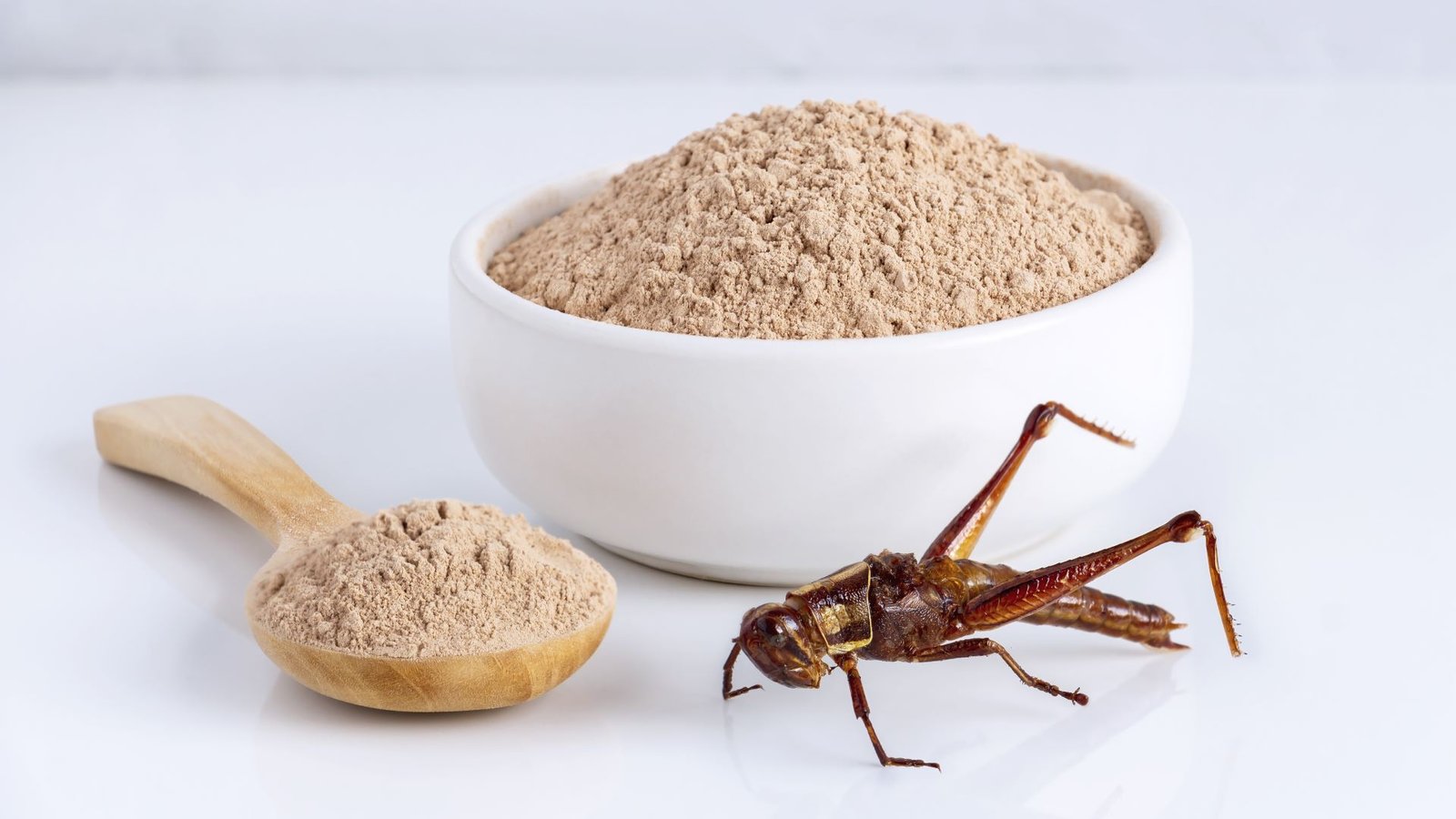
Test formulations using black soldier fly larvae (BSFL), mealworms, or crickets.
-
Collaborate with pet nutritionists to balance amino acid profiles.
-
Conduct palatability trials with target animal species (dogs, cats).
Case Study:
Mars Petcare tested BSFL in their dry kibble formulations, ensuring digestibility and consumer acceptance through controlled feeding trials.
Step 3: Navigate Regulatory Landscapes
Actionable Steps:
-
Consult regulatory experts or hire consultants to navigate:
-
USA: AAFCO approval (BSFL approved for dogs)
-
EU: EU Regulation 2017/893 (BSFL, mealworms approved for pet food)
-
-
Ensure accurate and compliant labeling (e.g., “Black Soldier Fly Larvae Meal” rather than “insect protein”).
Resources:
-
AAFCO guidelines
-
EU Novel Foods database
-
Regulatory affairs consultants
Step 4: Develop Transparent & Engaging Branding
Actionable Steps:
-
Educate consumers with science-backed benefits: low environmental impact, high digestibility, hypoallergenic.
-
Use terms like “eco-friendly protein” or “sustainable insect meal.”
-
Provide transparent sourcing and sustainability stories on packaging and websites.
Example:
Yora Pet Foods uses storytelling to emphasize their insect-based pet food’s environmental impact, leading to a strong niche brand following.
Step 5: Pilot Launch & Consumer Feedback Loop
Actionable Steps:
-
Launch limited batches via D2C or specialty retailers.
-
Use QR codes on packaging for educational content.
-
Collect customer feedback and adjust product/formulation accordingly.
Strategies:
-
Offer samples or discounts for first-time buyers.
-
Implement post-purchase surveys.
Step 6: Scale & Diversify Product Line
Actionable Steps:
-
Expand to multiple formats: dry kibble, wet food, treats, supplements.
-
Diversify insect protein sources to mitigate risks (e.g., blend BSFL with plant-based proteins).
-
Explore functional health claims (e.g., joint support, skin and coat health).
4. Prevention & Future-Proofing Tips
-
Maintain supplier relationships: Lock in long-term contracts to avoid shortages.
-
Stay ahead of trends: Monitor consumer sentiment and emerging protein technologies.
-
Regular product testing: Quarterly audits for nutritional consistency.
-
Invest in education: Create blog posts, videos, and infographics to inform customers.
-
Monitor regulation changes: Subscribe to industry newsletters like Pet FoodIndustry and AFIA updates.
5. Next Steps & Call to Action
✅ Immediate Next Steps:
-
Assess feasibility by contacting 2–3 insect protein suppliers.
-
Schedule formulation consultations with a pet food nutritionist.
-
Initiate regulatory research for target markets (US, EU, etc.).
-
Draft a pilot marketing campaign highlighting the eco-benefits.
🚀 Call to Action:
Start your journey toward sustainable innovation today. Reach out to a formulation consultant or protein supplier to begin trials. The future of pet nutrition is here—don’t get left behind.