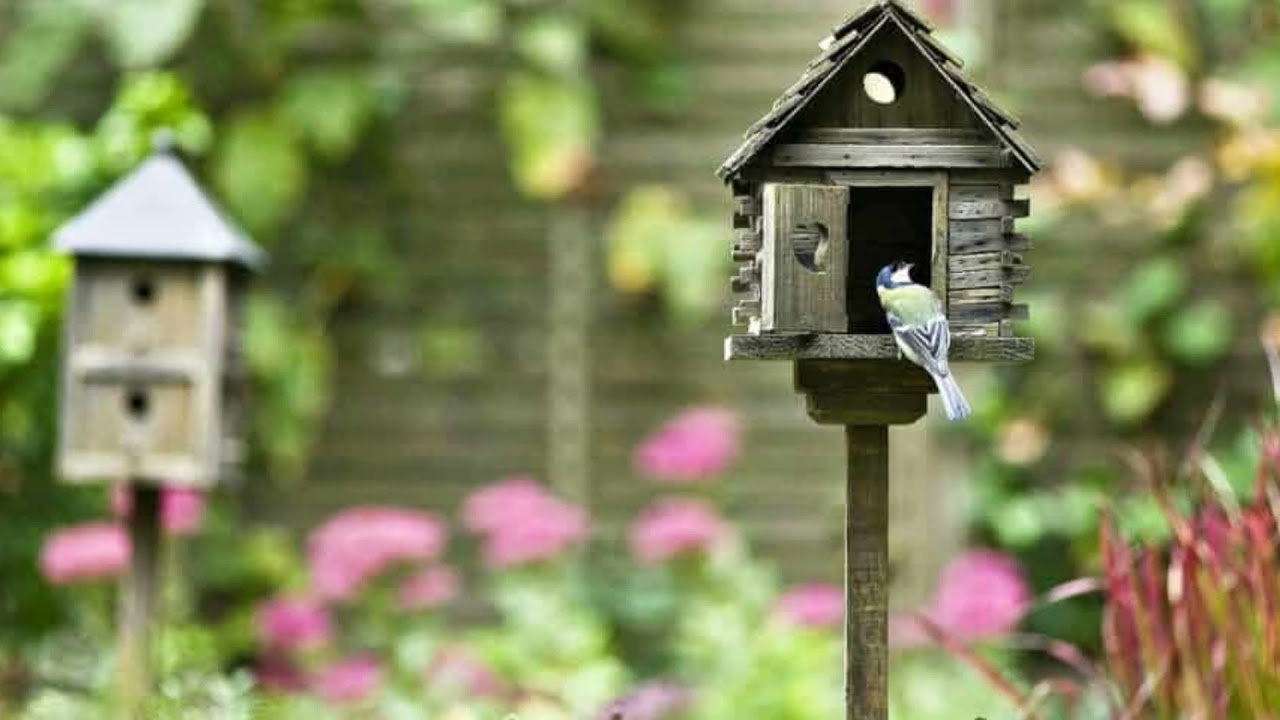
Creating a birdhouse involves several key components:
- Design and Specifications: Choosing the right size, shape, and entry hole for specific bird species.
- Material Selection: Selecting durable, safe, and weather-resistant materials.
- Construction: Assembling the birdhouse with proper tools and techniques.
- Placement: Installing the birdhouse in a suitable location to attract birds and ensure safety.
- Maintenance: Ensuring the birdhouse remains clean and functional over time of Building a DIY Birdhouse Components.
Common Causes of Failure
- Incorrect Dimensions: Entry holes or interior spaces that are too large or small for target bird species.
- Poor Material Choices: Using treated wood or toxic paints that harm birds or degrade quickly.
- Faulty Construction: Weak joints, improper ventilation, or lack of drainage leading to structural failure.
- Improper Placement: Positioning the birdhouse in areas prone to predators, extreme weather, or human disturbance.
- Neglect: Failing to clean or maintain the birdhouse, making it unsuitable for nesting.
Consequences of Not Addressing the Issue
Failing to build a proper birdhouse can have several negative outcomes:
- Bird Safety: Poorly designed birdhouses may attract predators or expose birds to harsh weather, endangering their survival.
- Wasted Resources: Time, money, and effort spent on a birdhouse that fails to attract birds or collapses quickly.
- Environmental Impact: Missed opportunities to support local bird populations, which contribute to pest control and pollination.
- Frustration: Repeated failures may discourage enthusiasts from continuing bird-friendly projects.
Actionable Step-by-Step Instructions
Below is a detailed guide to building a simple, effective birdhouse tailored for common backyard birds like chickadees, wrens, or bluebirds.
Tools and Materials Needed
- Tools: Hand saw or power saw, drill with bits (including a 1.5-inch hole saw for entry), screwdriver, measuring tape, pencil, sandpaper, clamps.
- Materials: Untreated cedar or pine board (1 inch thick, 6 feet long), wood screws (1.5 inches), exterior-grade wood glue, non-toxic exterior paint or sealant, metal predator guard (optional).
- Resources: Birdhouse plans from reputable sources like the National Audubon Society or Cornell Lab of Ornithology.
Step-by-Step Guide
Real-World Example
Case Study: Jane’s Backyard Bluebird Haven Jane, a homeowner in Ohio, wanted to attract eastern bluebirds to her backyard. She followed species-specific guidelines from the Cornell Lab of Ornithology, building a birdhouse with a 1.5-inch entry hole and a 5×5-inch floor. She used untreated cedar and mounted the birdhouse on a pole with a predator baffle. Within one season, a pair of bluebirds nested successfully, raising four fledglings. Jane’s key to success was researching bluebird preferences, using durable materials, and placing the birdhouse in a quiet, open area facing a field. She now maintains multiple birdhouses and monitors them annually, contributing to local conservation efforts.
Additional Tips for Preventing Issues
- Species-Specific Design: Always tailor dimensions to the target species to avoid attracting invasive birds like house sparrows.
- Predator Protection: Install baffles or guards to deter cats, raccoons, or snakes.
- Seasonal Timing: Install birdhouses in late winter or early spring to align with nesting seasons.
- Regular Cleaning: Remove old nests after each breeding season to prevent parasites and encourage reuse.
- Community Engagement: Join local birdwatching groups or citizen science projects (e.g., NestWatch) to learn more and contribute data.
Next Steps and Call to Action
- Start Today: Gather materials and tools this weekend to begin your birdhouse project.
- Research Local Birds: Visit the National Audubon Society or Cornell Lab of Ornithology websites to find species-specific plans.
- Build and Install: Follow the step-by-step guide above to construct and place your birdhouse within the next two weeks.
- Monitor Success: Observe your birdhouse regularly and share your results with local birding communities.
Take action now to create a welcoming home for backyard birds! Building a birdhouse not only enhances your outdoor space but also supports local wildlife. Start your project today and enjoy the beauty of birds in your backyard.