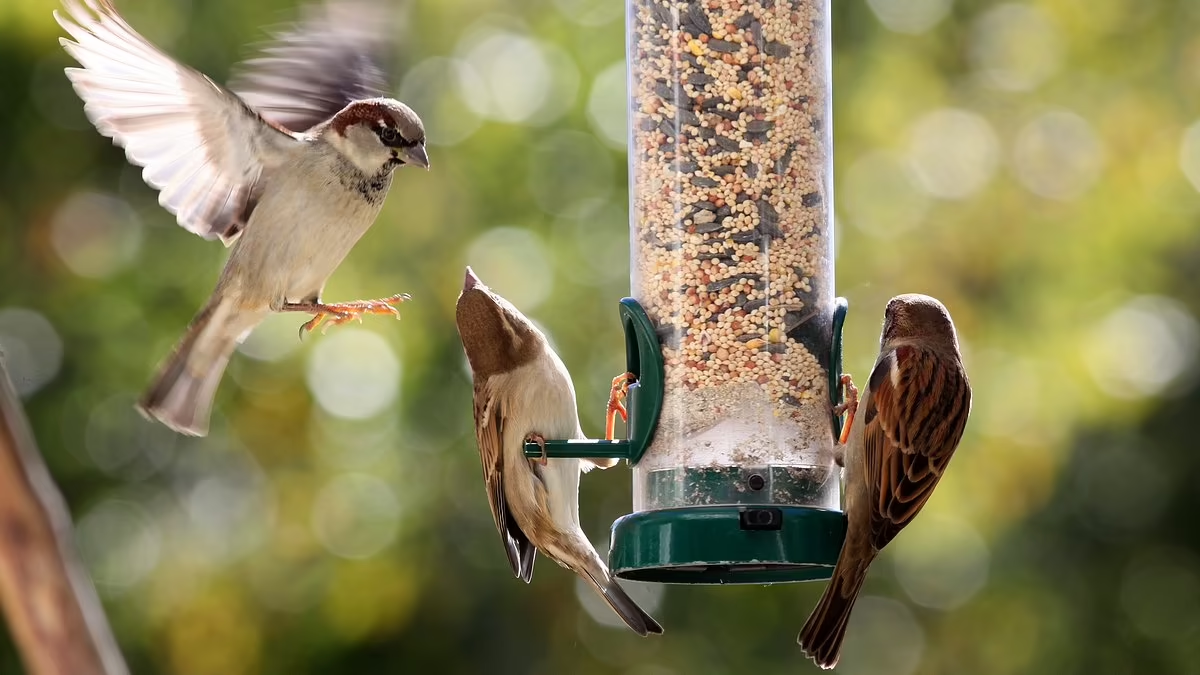
Problem Overview
Platform bird feeders are designed to attract ground-feeding birds such as sparrows, juncos, mourning doves, towhees, and quail. However, many clients find that their feeders are not attracting the desired birds or are being dominated by pests like squirrels or aggressive bird species.
To help clients effectively use platform feeders, this guide breaks down the issue, identifies common causes, and provides actionable steps to attract ground-feeding birds successfully.
I. Problem Breakdown
A. Components of the Problem
- Feeder Placement Issues
- Location too exposed or too close to predators
- Inappropriate height (too high off the ground for true ground feeders)
- Food Selection Problems
- Using seeds not favored by ground feeders
- Lack of food diversity
- Feeder Design Flaws
- Too small or unstable platforms
- No drainage leading to wet or moldy seed
- Environmental Factors
- Lack of nearby cover or natural habitat
- Competition from aggressive or non-target bird species
- Presence of squirrels or rodents
B. Common Consequences of Ignoring the Problem
- Continued lack of target birds
- Food waste from uneaten seed
- Increased pests or predator attraction
- Mold and disease risks for birds
- Client frustration and abandonment of bird-feeding efforts
II. Step-by-Step Solution Guide
Step 1: Evaluate and Adjust Feeder Placement
- Ideal Position: Place the platform feeder low to the ground (6–18 inches) or directly on the ground for species like juncos and towhees.
- Shelter: Place near shrubs, hedges, or brush piles that offer quick escape routes from predators.
- Avoidance Zones: Keep feeders away from busy foot traffic areas or spots that encourage predatory behavior from cats or hawks.
Example: A homeowner in Colorado placed a platform feeder 4 feet off the ground on a pole. After lowering it to 12 inches and adding a brush pile nearby, they saw an increase in visits from dark-eyed juncos within days.
Step 2: Select the Right Type of Food
- Offer seeds and grains favored by ground-feeding birds:
- White millet
- Cracked corn
- Black oil sunflower seeds (hulled for easier eating)
- Milo (especially for doves and quail)
- Finely chopped peanuts (unsalted)
- Mix Option: Choose a “ground-feeder blend” from reputable brands or mix your own.
Tip: Avoid mixes heavy in milo or filler seeds if you’re not targeting doves or pigeons.
Step 3: Optimize Feeder Design
- Use large, stable platform feeders with raised edges to keep food contained.
- Look for designs with mesh bottoms for drainage.
- Ensure the surface is easy to clean to reduce bacteria buildup.
Tools:
- DIY platforms (wood with mesh base)
- Store-bought platforms (look for “ground tray” or “platform feeder”)
Maintenance Tip: Clean feeder every 1–2 weeks with a 10% bleach solution, rinse well, and allow to dry completely.
Step 4: Control Competition and Predators
- Squirrels: Use squirrel-proof designs or ground feeder cages.
- Aggressive Birds: Provide multiple feeders spaced out to reduce dominance by larger species.
- Predators: Avoid feeding in open lawns with no cover; use thorny or dense shrubbery nearby.
Real-World Example: A customer in Ohio was struggling with grackles dominating the platform. By switching to millet-heavy feed and adding a second feeder away from the main one, the grackles were diverted and sparrows returned.
Step 5: Create a Bird-Friendly Environment
- Plant native groundcover and shrubs to simulate natural habitat.
- Maintain leaf litter or a brush pile to attract foraging.
- Avoid using pesticides or herbicides in the vicinity.
Additional Strategy: Use water sources like shallow birdbaths with sloped edges to increase attractiveness to ground feeders.
III. Prevention Tips
- Rotate Feed Locations: Change feeder positions slightly every month to prevent buildup of mold or disease.
- Keep a Feeding Log: Note which foods attract which species at different times of year.
- Regular Cleaning and Inspection: Stay on top of hygiene and feeder condition.
IV. Resources and Tools
- Feed Suppliers: Wild Birds Unlimited, Kaytee, Wagner’s, local co-ops
- Feeder Brands: Nature’s Way, Perky-Pet, Duncraft
- Books:
- The Backyard Bird Feeder’s Bible by Sally Roth
- Birds of [Your Region] by National Geographic
V. Next Steps and Call to Action
Immediate Action Checklist:
✅ Assess and adjust the current feeder location
✅ Clean and inspect the platform feeder
✅ Purchase or mix suitable seed for ground-feeding birds
✅ Add ground cover or natural elements nearby
✅ Monitor bird activity for the next two weeks
Call to Action:
Don’t let an underperforming feeder go to waste! Take 30 minutes today to reconfigure your platform setup using the steps above, and you could see your first ground-feeding visitors in just a few days. If you’re unsure where to start, consult a local birding expert or reach out to us directly for a free evaluation of your feeder setup.
Would you like a printable version of this guide or a checklist to track your progress? I can prepare that for you!