I. Problem Breakdown: Reptile Feeding Schedules and Diet Plans
What’s the Issue?
Owners often struggle with:
- Setting proper feeding times.
- Choosing the right diet for their reptile species.
- Adjusting feeding frequency with age or health changes.
- Recognizing signs of underfeeding, overfeeding, or malnutrition.
II. Components of the Problem
1. Species-Specific Dietary Needs
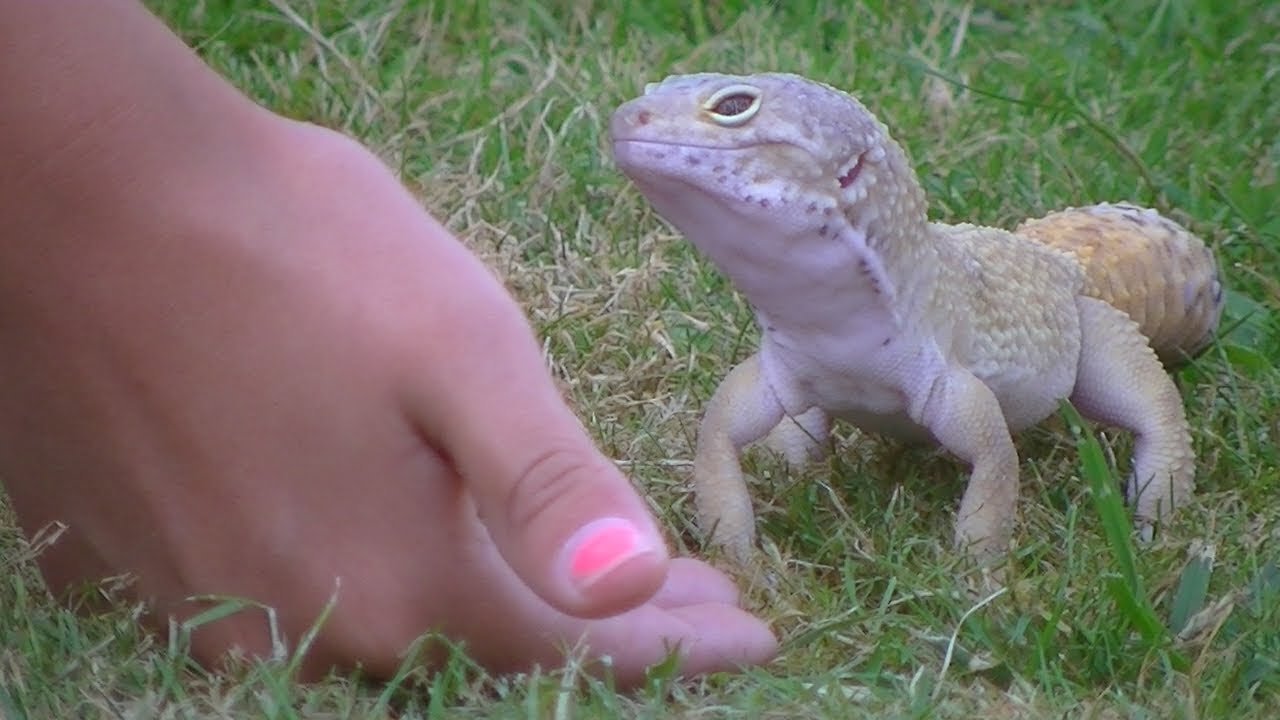
Different reptiles (e.g., bearded dragons, ball pythons, leopard geckos) require vastly different food types, portion sizes, and nutrients.
2. Life Stage and Health Factors
Juveniles need more frequent feeding than adults. Ill or pregnant reptiles may require special diets.
3. Environmental Impact on Appetite
Temperature, humidity, lighting, and stress affect how much and when a reptile eats.
4. Lack of Reliable Feeding Schedules
Without structure, reptiles can experience obesity, starvation, or growth issues.
III. Common Causes of the Problem
- Lack of research or incorrect assumptions about dietary needs.
- Inconsistent feeding habits due to a busy schedule or travel.
- Improper enclosure setup affecting appetite.
- Limited access to exotic pet veterinarians.
IV. Potential Consequences of Ignoring the Issue
- Malnutrition or obesity
- Stunted growth or metabolic bone disease
- Lethargy, organ failure, or death
- Behavioral issues (aggression, hiding, refusal to eat)
V. Actionable Step-by-Step Solution
✅ Step 1: Identify Your Reptile’s Species and Life Stage
Use a reputable care sheet or consult an exotic vet to determine your reptile’s species-specific needs.
Tool: Reptifiles.com offers in-depth care guides by species.
✅ Step 2: Establish a Feeding Schedule
| Life Stage | Frequency (general) | Notes |
|---|---|---|
| Hatchling | Daily | Small portions, high frequency |
| Juvenile | Every 1–2 days | Adjust for species |
| Adult | Every 2–7 days | Some snakes feed weekly |
Example: A juvenile leopard gecko eats daily; an adult eats every 2–3 days.
Use calendar reminders or feeding apps:
- Apps: Reptile Scan, Husbandry Pro
✅ Step 3: Select a Balanced Diet
| Reptile Type | Diet Type | Example Foods |
|---|---|---|
| Insectivores | Live insects | Crickets, mealworms, dubia roaches |
| Herbivores | Leafy greens, veggies | Collard greens, squash, dandelions |
| Omnivores | Mix of plants & proteins | Bearded dragons eat greens and insects |
| Carnivores | Whole prey | Mice, chicks (for snakes, monitors) |
Supplementation: Use calcium + vitamin D3 powders 2–3x/week (more for juveniles).
✅ Step 4: Adjust for Environment and Behavior
- Ensure correct temperatures (basking and cool zones)
- Provide UVB lighting for diurnal reptiles
- Watch for changes in:
- Defecation
- Weight
- Eating behavior
Tool: Infrared thermometer gun or digital hygrometer.
✅ Step 5: Track and Monitor Progress
Maintain a feeding and weight log.
- Date
- Food offered and eaten
- Weight (weekly)
- Notes on behavior
Example Case:
A client had an adult ball python refusing food for 3 weeks. Upon logging temperature, they found the ambient temp had dropped below optimal levels. Once corrected, the snake resumed feeding.
VI. Case Study: Bearded Dragon “Spike”
Problem: Spike was lethargic and losing weight.
Findings:
- Inconsistent feeding
- Poor UVB exposure
- Diet lacked calcium
Solution:
- Adjusted to a 3x/week insect + daily greens diet
- Added Reptisun 10.0 UVB light
- Used calcium with D3 3x/week
Outcome: Within 3 weeks, Spike’s appetite and energy returned.
VII. Additional Tips for Prevention
- Routine vet checks every 6–12 months.
- Join species-specific forums or social media groups for peer support.
- Use a feeding checklist visible near the enclosure.
- Don’t overfeed prey larger than the reptile’s head width.
VIII. Next Steps & Call to Action
✔️ Start Today:
- Identify your reptile’s exact species and age.
- Download a feeding schedule template or app.
- Review and upgrade your reptile’s diet and supplements.
- Log your first feeding session this week.
📥 Bonus Resource: Request a free printable feeding schedule template customized for your reptile species!
Need help tailoring a feeding plan?
👉 Contact a certified reptile vet or ask me to help build a species-specific diet chart.
Your reptile’s health depends on consistent care—start the transformation today! 🦎💚