Overview of the Problem: “What Eats Fish in the Ocean?”
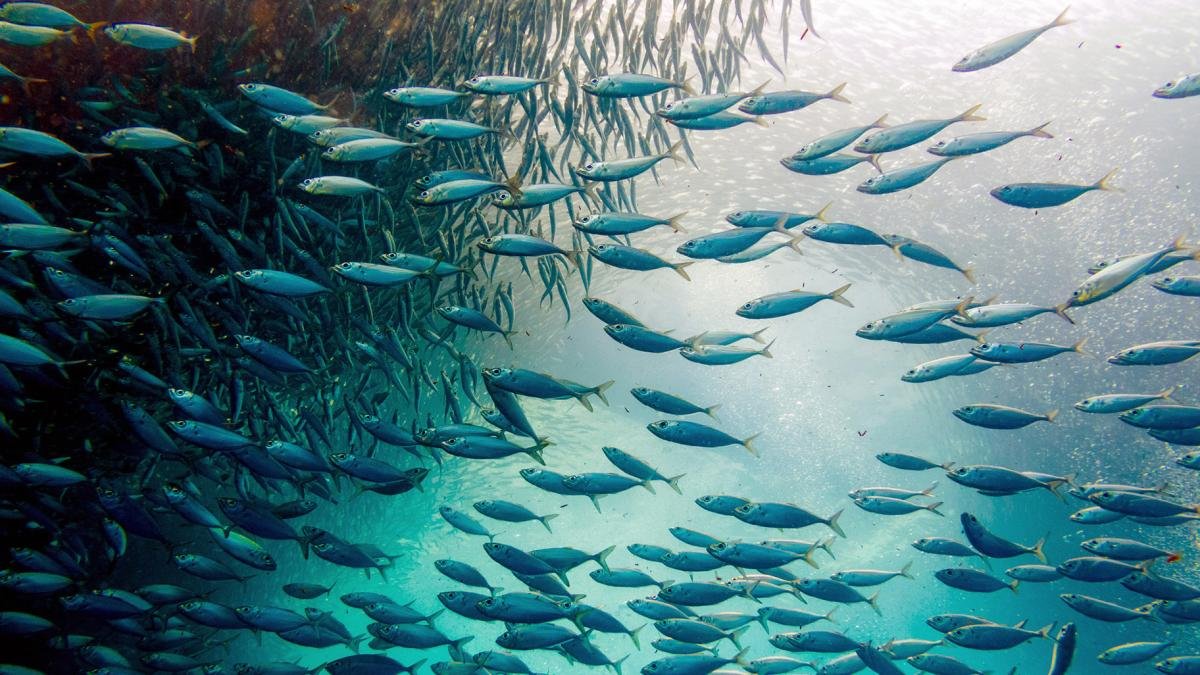
This question touches on a critical aspect of marine ecology: the food chain. Numerous creatures consume fish in the ocean—from apex predators to humans—affecting biodiversity, ecosystems, and even economies.
Whether you’re a commercial fisher, aquaculture operator, marine biologist, or policymaker, understanding what eats fish in the ocean is vital for protecting fish populations, managing ecosystems sustainably, and ensuring long-term viability of marine resources.
🔍 Breaking Down the Problem
1. Key Ocean Predators That Eat Fish
Fish are prey for a wide array of predators. These can be grouped into:
-
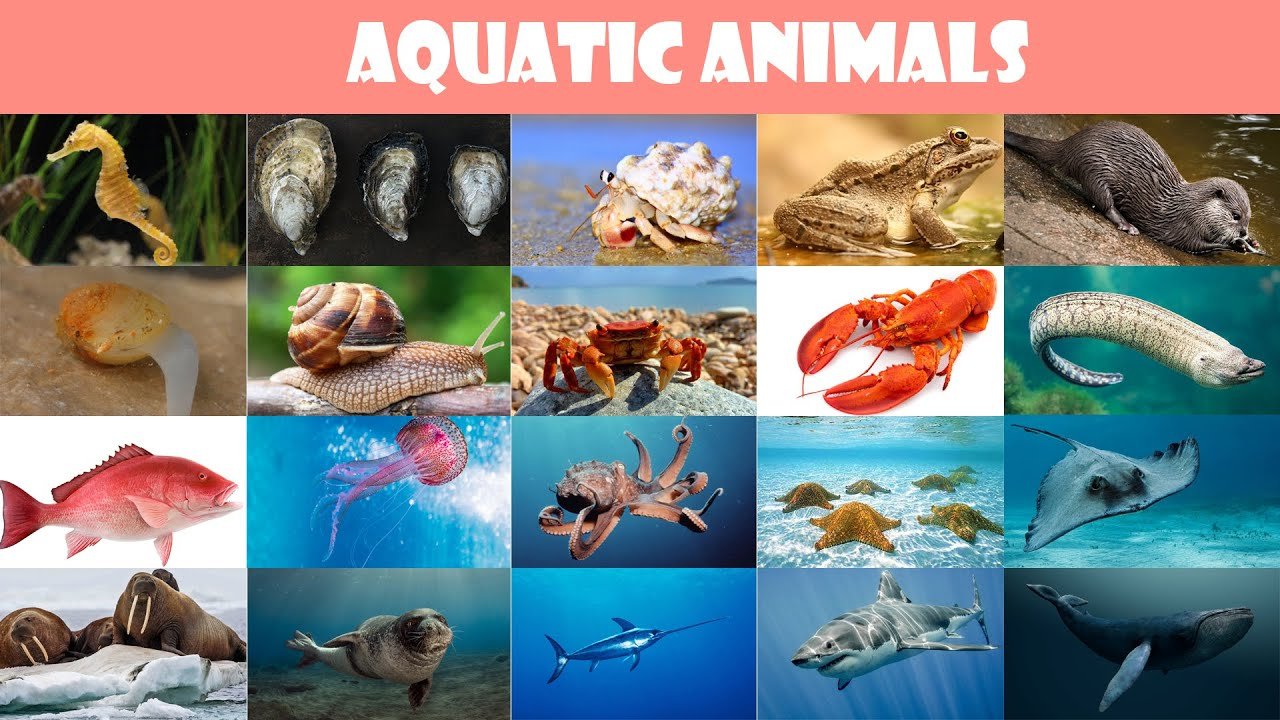
Marine Mammals: Dolphins, seals, sea lions, whales
-
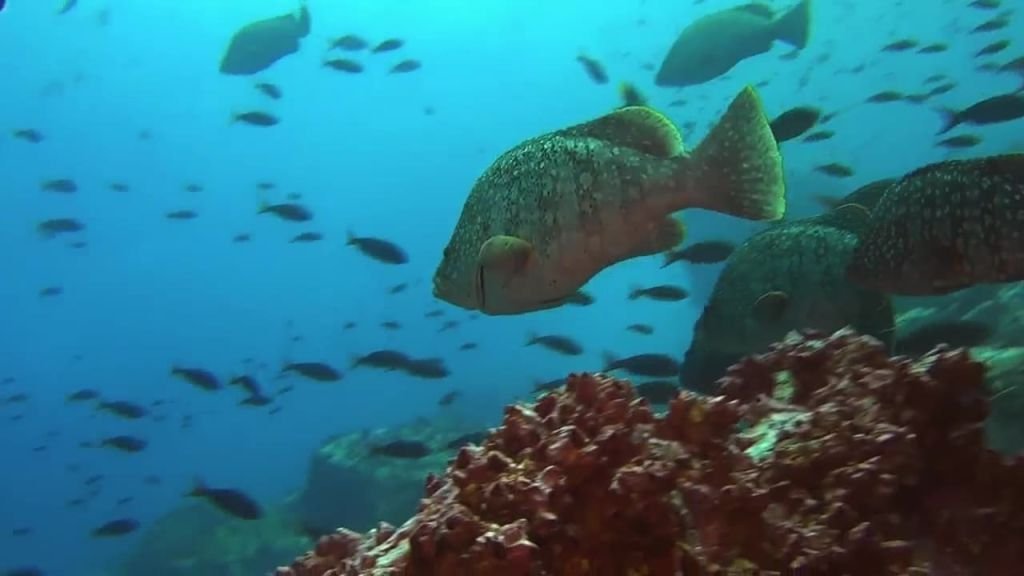
Large Predatory Fish: Sharks, tuna, barracuda, groupers
-
Seabirds: Gulls, cormorants, pelicans
-
Humans: Through commercial and recreational fishing
-
Other Fish: Some fish species (e.g., larger cod, mackerel) eat smaller fish
2. Common Ecosystem Imbalances & Causes
-
Overfishing: Reduces predator-prey balance
-
Climate Change: Alters migration and feeding patterns
-
Invasive Species: Introduce new predators
-
Pollution: Weakens prey, making them more vulnerable
3. Consequences of Not Addressing Predator Imbalances
-
Declining fish stocks
-
Collapse of fisheries and aquaculture
-
Disruption of marine ecosystems
-
Economic loss in coastal communities
-
Decline in biodiversity
✅ Step-by-Step Solution to Addressing the Issue
Step 1: Identify the Primary Predators in Your Context
Use observation, tracking devices, or historical catch data to determine what is eating fish in your specific environment.
Tools/Resources:
-
Marine ecosystem modeling tools (e.g., Ecopath, AquaModel)
-
Underwater surveillance (drones, cameras)
-
Collaborations with marine biologists or universities
Example: A salmon farm identifies increased seal activity near its nets using underwater cameras.
Step 2: Assess the Impact of Predators
Quantify how much fish is being lost and whether predator numbers are rising due to ecological imbalances.
Key Metrics:
-
Loss rate (% of fish stock consumed)
-
Predator frequency (sightings, damage reports)
-
Seasonal patterns
Case Study: In British Columbia, sea lions were found to be responsible for a 10–20% reduction in fish populations in commercial net pens.
Step 3: Implement Deterrent Strategies (Non-lethal and Sustainable)
a) Physical Barriers
-
Use predator-exclusion nets or reinforced cages
-
Install bird deterrent systems
b) Acoustic Deterrents
-
Devices that emit predator-specific sound waves
c) Environmental Design
-
Avoid placing farms or fishing operations near predator hotspots
-
Modify lighting and feeding times to deter predators
Example: A tuna farm in Australia reduced dolphin predation by 70% using double-layered netting and timed feedings.
Step 4: Adjust Human Activities
-
Fishing Regulation: Implement size limits, quotas, and seasonal closures to reduce overfishing.
-
Selective Harvesting: Use gear that minimizes bycatch and avoids predator-prey disruption.
-
Marine Protected Areas: Allow natural predator-prey balances to recover in no-take zones.
Step 5: Monitor and Adapt
Use real-time monitoring tools and adjust strategies based on predator behavior and fish population health.
Recommended Tools:
-
AI-based monitoring systems
-
Satellite tagging of predators
-
Regular biodiversity audits
🛡️ Prevention Tips
-
Conduct Regular Ecological Assessments: Keep tabs on predator population dynamics and migration patterns.
-
Promote Biodiversity: A healthy ecosystem is more resilient to predator imbalances.
-
Educate Staff and Stakeholders: Ensure fishery or aquaculture workers understand predator risks and reporting protocols.
-
Join Conservation Collaboratives: Work with environmental groups and government bodies to share data and solutions.
📌 Real-World Example
Norwegian Salmon Industry:
Problem: High losses due to seal and sea lice predation.
Solution:
-
Developed closed-containment systems
-
Used lasers to deter birds
-
Implemented AI for early detection of predators
Results: Salmon yield improved by 25%, and environmental impact dropped significantly.
🚀 Next Steps & Call to Action
-
Audit Your Operations or Area: Identify key predators and quantify losses.
-
Implement 1–2 Deterrents Within the Next 30 Days
-
Collaborate with Experts or Agencies: Contact marine ecologists or government fisheries departments.
-
Invest in Monitoring Tools: Begin with cost-effective cameras or tracking software.
-
Join Industry Forums or Conservation Groups: Share insights and stay updated.
📣 Act Now
Don’t let preventable predation reduce your fish stocks, harm marine ecosystems, or affect your bottom line.
Start your predator management plan today—reach out to local marine consultants, upgrade your deterrent systems, and invest in sustainable practices.
For customized support or to schedule a predator-impact assessment, contact a marine ecosystem specialist or your local Department of Fisheries.