The natural world is a delicate balance of ecosystems, where every species plays a vital role. However, in recent decades, the alarming rate at which animals are becoming endangered has raised global concern. From majestic tigers to tiny bees, countless species are teetering on the brink of extinction. But why is this happening? What are the driving forces behind the endangerment of animals? Let’s explore the key reasons.
Habitat Destruction
One of the primary reasons animals become endangered is the loss of their natural habitats. Human activities such as deforestation, urbanization, agriculture, and mining have led to the destruction of forests, wetlands, and other critical ecosystems. For example, the Amazon rainforest, often referred to as the “lungs of the Earth,” is being cleared at an alarming rate, displacing species like jaguars, sloths, and countless birds. Without a home, these animals struggle to survive.
Climate Change
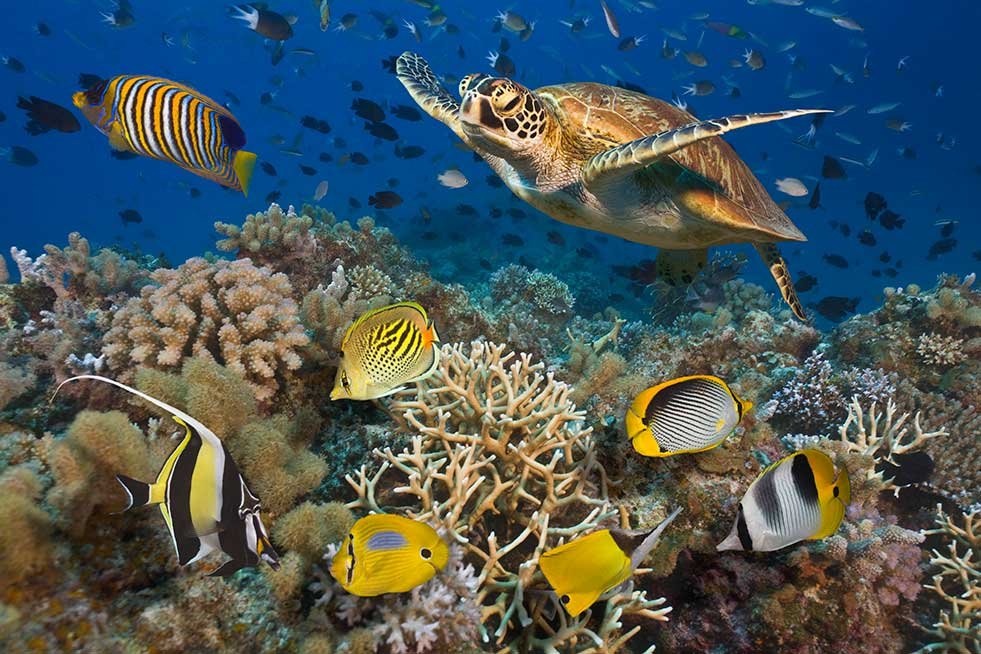
Climate change is another significant factor threatening wildlife. Rising temperatures, melting ice caps, and shifting weather patterns disrupt the delicate balance of ecosystems. Polar bears, for instance, are losing their Arctic ice habitats, making it harder for them to hunt seals. Similarly, coral reefs, which are home to thousands of marine species, are dying due to ocean warming and acidification.
Poaching and Illegal Wildlife Trade
The illegal hunting and trading of animals for their fur, tusks, horns, or other body parts have pushed many species to the edge of extinction. Elephants are hunted for their ivory, rhinos for their horns, and tigers for their skins and bones. Despite international bans and conservation efforts, poaching remains a lucrative and devastating industry.
Pollution
Pollution, whether it’s plastic waste in the oceans, chemical runoff in rivers, or air pollution, has a catastrophic impact on wildlife. Sea turtles, for example, often mistake plastic bags for jellyfish and ingest them, leading to fatal consequences. Similarly, pesticides used in agriculture can harm bees and other pollinators, which are crucial for food production.
Invasive Species
The introduction of non-native species into an ecosystem can have devastating effects on native wildlife. Invasive species often outcompete local animals for resources, prey on them, or introduce diseases. For instance, the introduction of the brown tree snake to Guam has led to the extinction of several native bird species.
Overexploitation
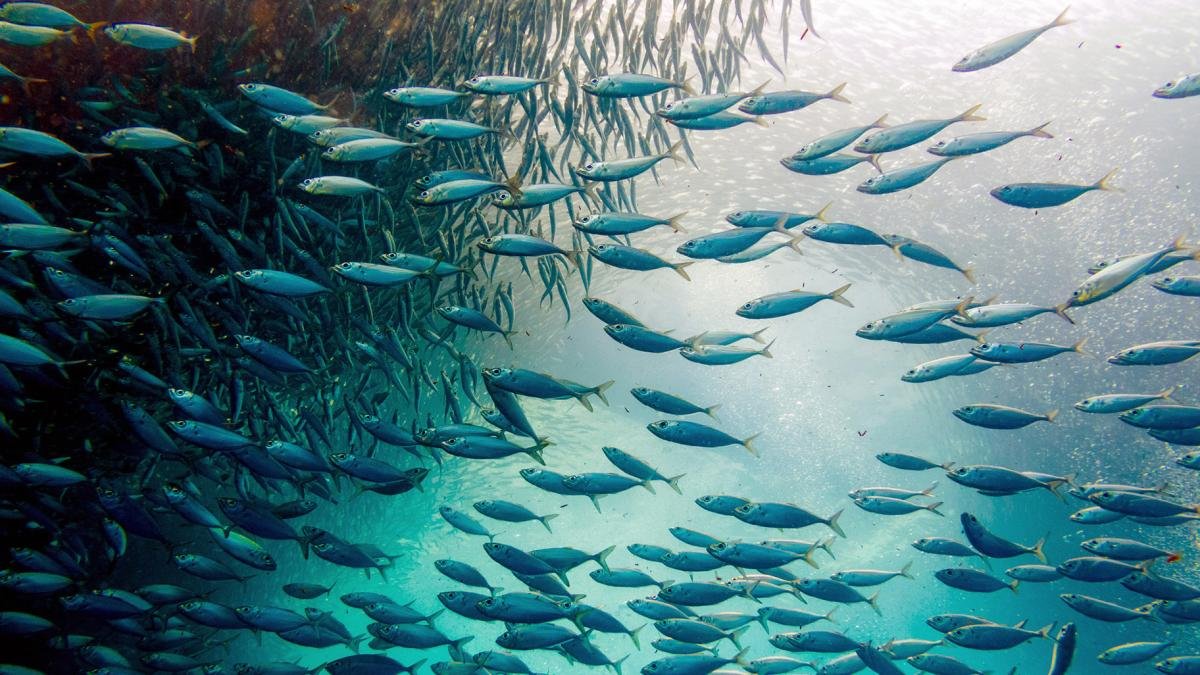
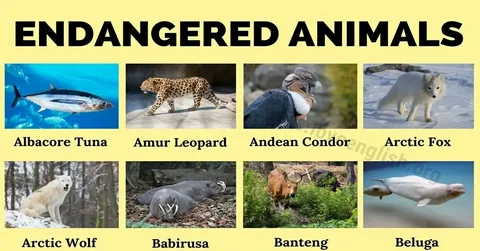
Overfishing, overhunting, and overharvesting have depleted many animal populations. Species like the bluefin tuna and the vaquita porpoise are on the verge of extinction due to excessive fishing. Similarly, the demand for exotic pets has led to the decline of species like the slow loris and the African grey parrot.
Human-Wildlife Conflict
As human populations expand, conflicts between humans and wildlife are becoming more frequent. Animals like lions, elephants, and wolves often encroach on human settlements in search of food or territory, leading to retaliatory killings. This conflict further endangers already vulnerable species.
Disease
Diseases, both natural and human-induced, can decimate animal populations. For example, the chytrid fungus has caused dramatic declines in amphibian populations worldwide. Similarly, diseases transmitted from domestic animals to wildlife, such as canine distemper in lions, pose a significant threat.
What Can Be Done?
While the situation is dire, there is still hope. Conservation efforts, such as habitat restoration, anti-poaching initiatives, and breeding programs, have successfully saved species like the giant panda and the black-footed ferret. Additionally, raising awareness, supporting sustainable practices, and advocating for stronger environmental policies can make a significant difference.
Conclusion
The endangerment of animals is a complex issue driven by human activities and environmental changes. However, by understanding the causes and taking collective action, we can work towards a future where wildlife thrives. Every species lost is a thread pulled from the intricate web of life, and it’s up to us to ensure that this web remains intact for generations to come.